
Last updated November 24, 2026
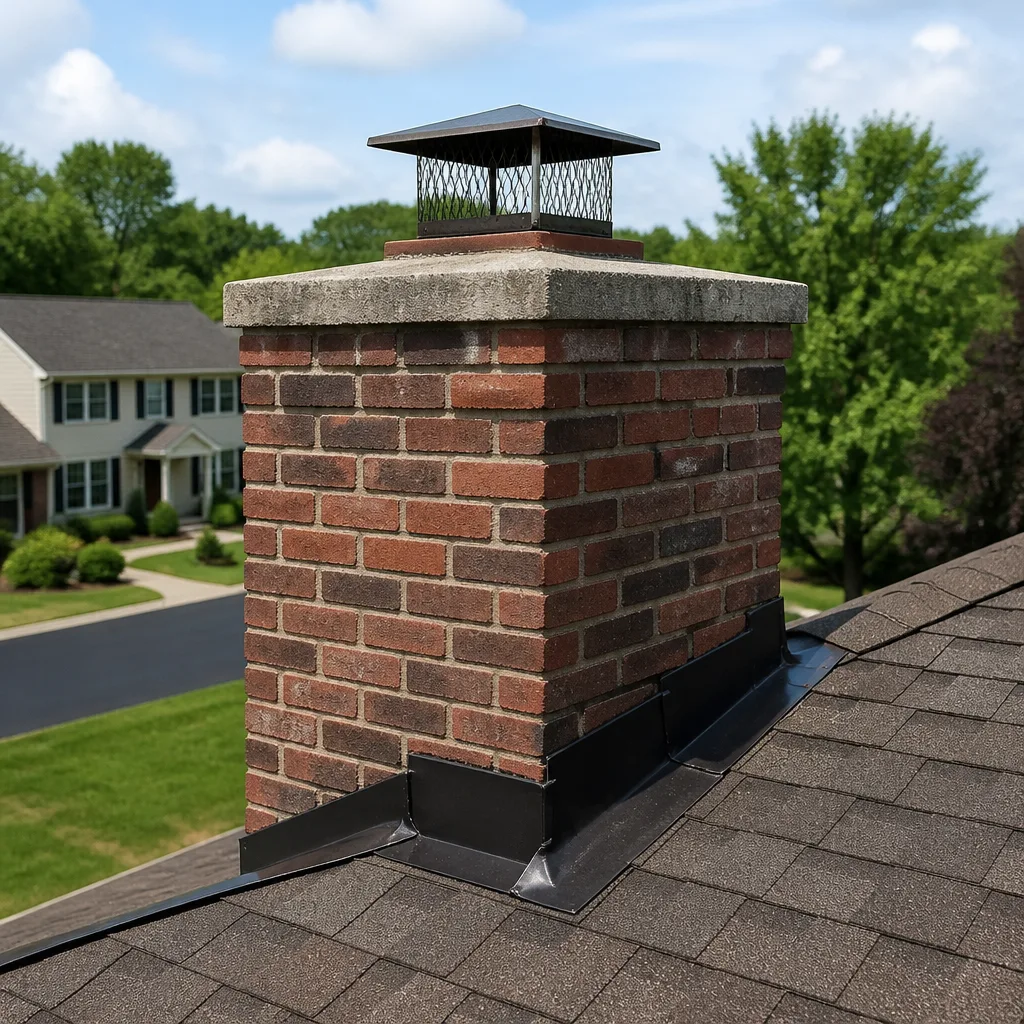 Sweep & inspection
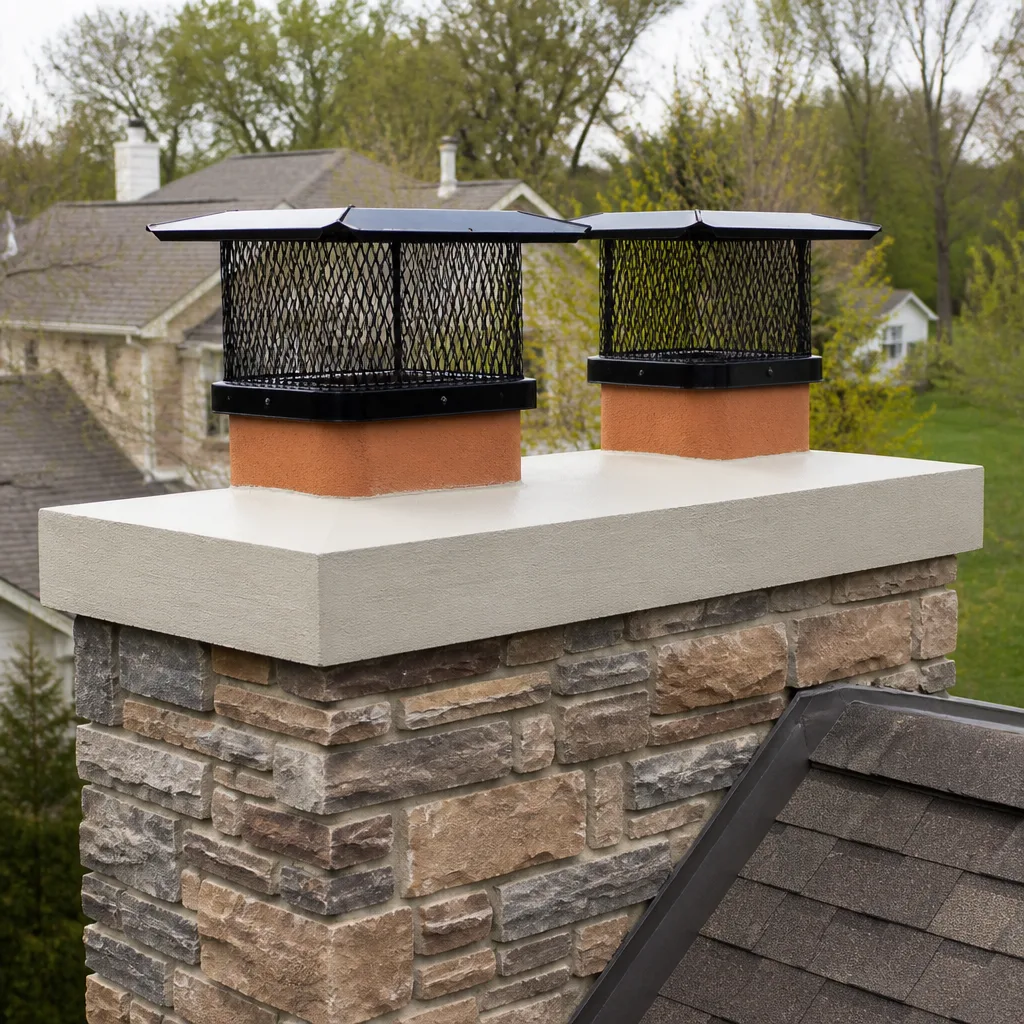 Caps & crowns
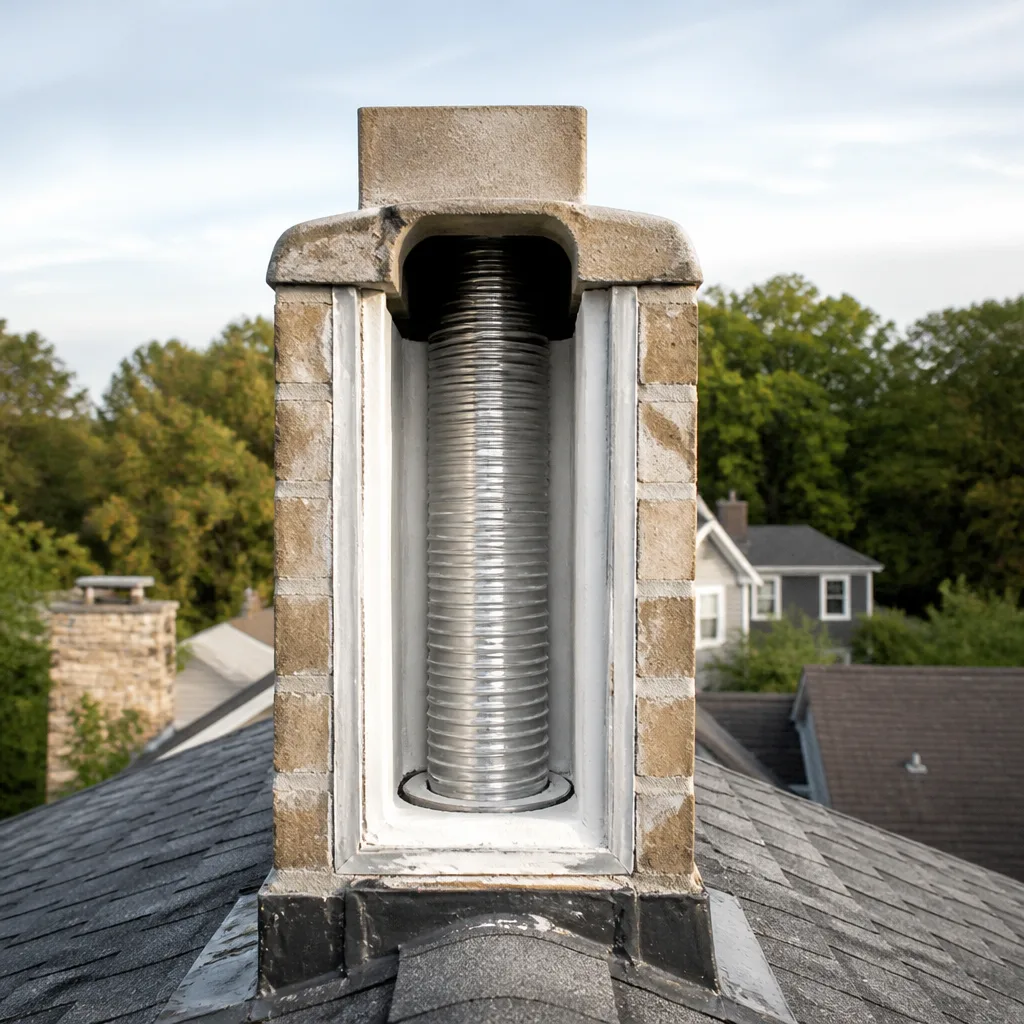 Flue relining
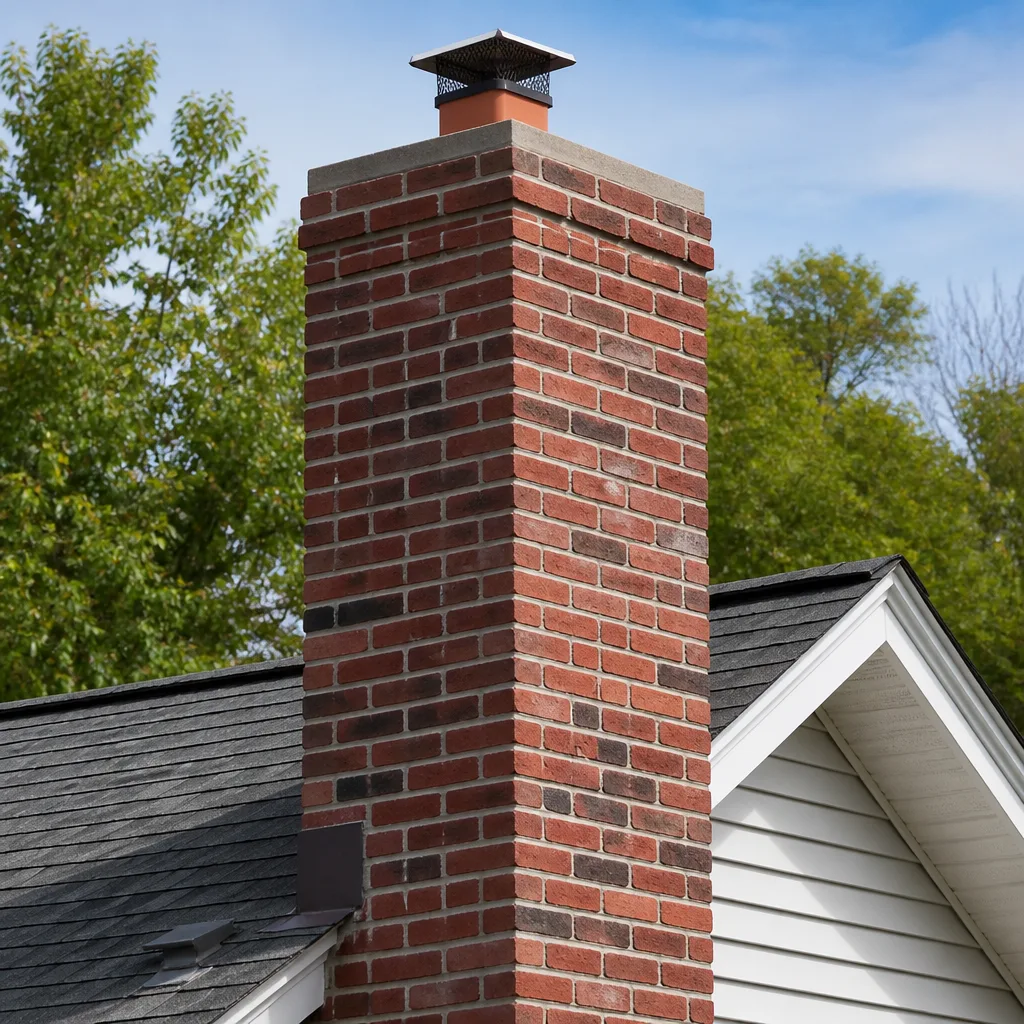 Masonry repair
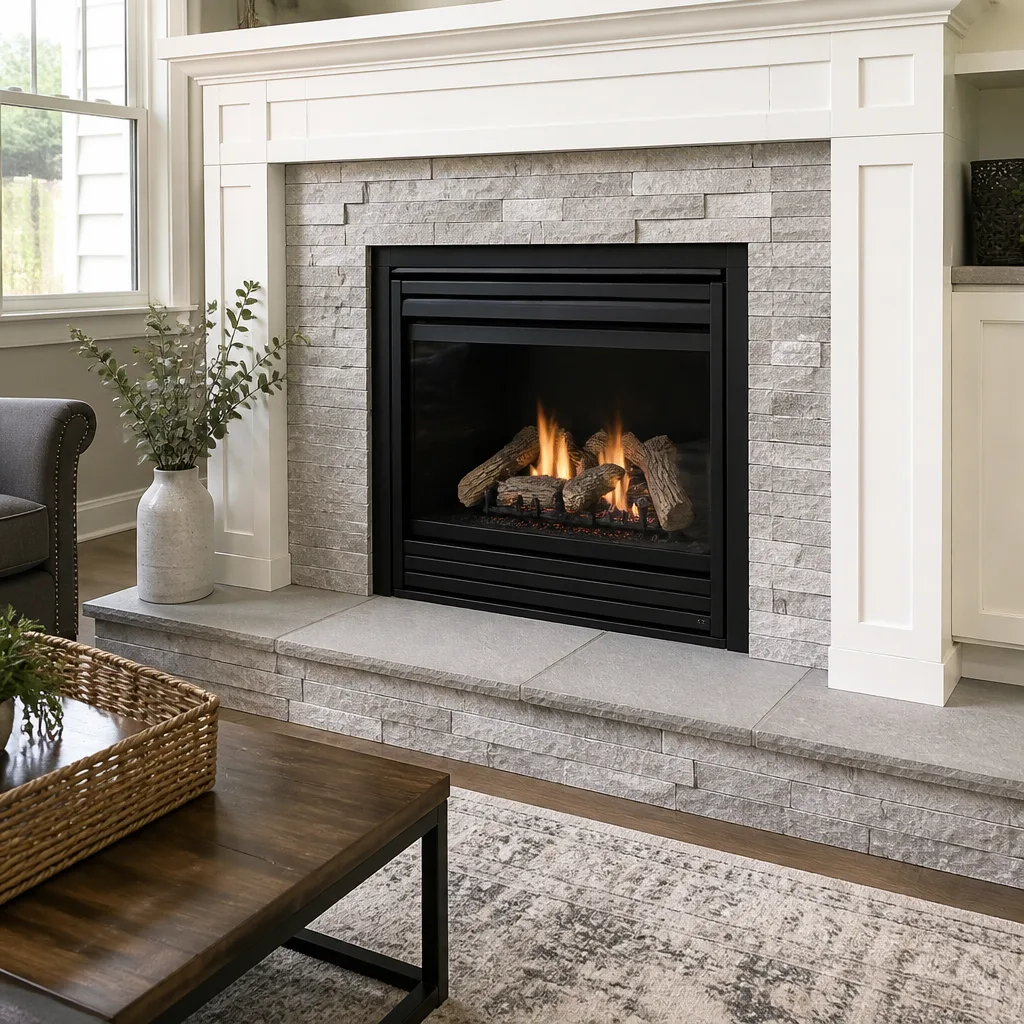 Gas fireplace service
Level 1 sweep and inspection to the NFPA 211 annual standard - flue, crown, cap, and flashing checked and photographed
Chimney sweep logs do not sweep chimneys. They loosen some creosote - which then falls where a brush and vacuum still have to collect it.
Chimney Sweep Troubleshooting in Downtown Anaheim: Common Problems and How to Fix Them
A smoky living room after a single fire doesn’t mean your chimney is dirty. It often means the flue is undersized, the damper is warped, or the liner has a breach. Homeowners in Downtown Anaheim reach for a cleaning appointment when the real problem is a sizing failure or a structural gap, and the sweep clears ash while the actual hazard stays exactly where it was. Reading a chimney’s symptoms the way a technician does takes four clues: where smoke goes, what color the deposits are, how the draft behaves, and where moisture shows up. This guide maps each symptom to its likely cause so you call the right service from the start. We’re Chimney Sweep Downtown Anaheim, we work on chimney systems every week here, and what follows is how we diagnose them.
Quick Answer
Most chimney problems in Downtown Anaheim fall into four groups: draft and backdraft issues (often negative air pressure or a warped damper), creosote restriction (stage-dependent, sometimes beyond a standard sweep), liner failure (cracks or gaps that a brush won’t touch), and crown or cap damage (moisture entry and animal intrusion from infrequent use). A standard sweep fixes only the second category. An honest diagnosis, done by camera, tells you which one you actually have before anyone books work.
Styles & brands we work with
- Sweep & inspection
- Caps & crowns
- Flue relining
- Masonry repair
- Gas fireplace service
Table of Contents
- Symptom-to-Cause Mapping: Reading Your Chimney Like a Technician
- Why an Infrequently Used Fireplace in Downtown Anaheim Fails Differently
- Reading Creosote Stage From Visible Deposits
- Negative Air Pressure: The Draft Problem That Isn’t a Draft Problem
- Damper Corrosion and Warping: The Quiet Draft Killer
- Crown Cracking, Cap Failure, and Moisture Entry
- Liner Breach: When the Answer Is Restoration, Not Cleaning
- Same-Day Shutdown vs. Safe to Monitor: Which Symptoms Demand Which
Symptom-to-Cause Mapping: Reading Your Chimney Like a Technician
Smoke rolling out of the firebox, a smell that lingers hours after the fire is out, a dark stain on the ceiling near the chase, and a draft that pulls weakly on a cold morning are four different symptoms pointing at four different systems. A technician separates them before touching a brush. Most of what goes wrong with a chimney is diagnosable from the outside in, and the order matters.
Here’s the mapping we use when we arrive at a Downtown Anaheim home:
- Smoke spills into the room, then settles: backdraft or negative pressure. The flue isn’t the problem; the building is pulling harder than the chimney draws.
- Smoke leaves slowly but the fire burns fine: a partial restriction, usually creosote buildup or a bird nest sitting on the smoke shelf.
- Smoke smell long after the fire dies: a pressure imbalance plus a slightly open damper, or creosote that has soaked into porous masonry and off-gasses when the chimney warms.
- Water staining on the firebox walls or the ceiling near the chase: crown or cap failure letting rain in.
- White, powdery bloom on exterior brick: moisture moving through the masonry from a failed crown or flashing, and it’s a structural symptom, not a cleaning one.
- A metallic or acrid smell with no fire lit: animal intrusion, or a liner that has begun to corrode at a joint.
The mistake homeowners make is treating every one of those as “time for a sweep.” A sweep removes deposits. It does not reseal a crown, restore a liner, or balance the pressure in a sealed house. Knowing which bucket your symptom falls in is the whole game. On a Downtown Anaheim call, we start with a full inspection before we recommend anything, because the recommendation flows from what the camera and the roofline show, not from what the homeowner described on the phone.
Why an Infrequently Used Fireplace in Downtown Anaheim Fails Differently
Southern California’s fireplace pattern is the opposite of a cold-climate one. Most Downtown Anaheim homes light the fireplace a handful of times a season, sometimes a handful of times a decade, and the chimney sits cold and unused between fires. That pattern produces its own set of failures, and they aren’t the ones a snowy-climate sweep expects to find.
When a chimney burns hot and often, airflow keeps it dry and moving. When it burns rarely, three things happen:
- Moisture settles in and stays. A cold flue with a small crack in the crown pulls in damp air during the marine layer mornings and doesn’t dry out. Over seasons, that moisture works into the masonry and the firebox mortar.
- Damper hardware corrodes. A damper that sits closed and unused for years seizes at the pivot, or the plate warps from a single hot fire after years of cold. A damper that won’t open fully starves the fire of air and creates the smoke problem the homeowner then blames on the flue.
- Animals move in. An uncapped or loosely capped flue in a mild climate is a dry, sheltered cavity. Birds, squirrels, and chimney swifts find it. Nest material plus soot is a fire load sitting right where the smoke leaves.
We’ve seen the same pattern across Downtown Anaheim’s older housing stock near the historic core: a fireplace that looks clean because it’s rarely used, with a damper that’s been frozen shut for years and a crown that’s been leaking quietly the whole time. The chimney “problem” shows up as a smell, a stain, or a fire that won’t draw, and none of it is a dirty flue. A fireplace that sits is not a fireplace that’s fine. It’s a fireplace that’s had time to develop the slow problems.
Reading Creosote Stage From Visible Deposits
Creosote isn’t one substance. It forms in three stages, and only the first stage is what a standard sweep clears easily. Knowing which stage you’re looking at tells you whether a cleaning solves the problem or just scratches the surface.
- First degree: soot and light, flaky deposits. Rubs off as a dark powder on a gloved finger. This is the normal state of a chimney that’s been swept regularly and burned with reasonable wood.
- Second degree: a crusty, brittle layer with a hard surface, sometimes flaking off in chunks. It doesn’t wipe away; it has to be scraped or worked with a rotary tool. This stage means the chimney has been burning cool or damp wood, and it’s a fire load.
- Third degree: a glazed, tar-like coating fused to the flue walls. It looks almost like varnish. It’s the most combustible stage and the hardest to remove, because standard brushing skips over it. Third-degree creosote on a liner often pushes the conversation toward restoration, not repeated cleaning.
You can check the first few inches of your own flue from the firebox with a flashlight between fires, and you’ll learn a lot: powder is first degree, crust is second, and a slick glaze is third. What a technician adds is the view down the whole flue by camera, because stage can vary by height. A flue that’s light powder at the bottom can be glazed near the top where the smoke cools fastest.
The stage also tells you why it built up. Second and third degree creosote in a Downtown Anaheim home usually means unseasoned or damp wood, a fire run too cool and smoldering, or a draft weak enough that smoke lingers. Fixing the creosote without fixing the draft just means it comes back. That’s why we inspect first and recommend second: the deposits are evidence, and the evidence points at the cause.
Negative Air Pressure: The Draft Problem That Isn’t a Draft Problem
If your fireplace smokes only sometimes, especially on windy days or when the kitchen exhaust fan is running, you probably don’t have a chimney problem at all. You have a house that’s tighter than the chimney can out-draw. Modern construction and weatherization seal a home so well that the chimney becomes the easiest path for replacement air to come back in, and the result is smoke pushed into the room instead of up the flue.
Downtown Anaheim has a genuine mix of housing here. The older homes near the historic district leak air readily and rarely have this issue. Newer infill construction and remodels with new windows, weatherstripping, and sealed attic access create the condition in a home that never had it before. Homeowners notice it as a chimney that “stopped working” after a renovation, and the chimney itself is unchanged.
What negative pressure looks like when it’s the culprit:
- Smoke spills on startup, then the fire draws once it’s hot and the room warms.
- The problem shows up when the clothes dryer, bathroom fan, or range hood runs.
- A candle flame near the open firebox gets pulled toward the room, not up the chimney.
- It worsens on cold evenings and in the shoulder seasons.
The fix is rarely a bigger flue. It’s usually about giving the house a source of makeup air, correcting the damper so it opens fully, or extending the flue if the termination is in a pressure shadow from a nearby roofline. We test for it rather than guessing: a pressure reading at the firebox with the house fans running tells us in a few minutes whether the chimney is undersized or the house is over-sealed.
Damper Corrosion and Warping: The Quiet Draft Killer
A damper that doesn’t seal or doesn’t open fully causes two opposite problems at once. Closed and seized, it blocks the draft and pushes smoke into the room. Warped and not sealing, it lets warm air escape year-round and lets cold, damp air in, which feeds the moisture issues described above. Either way, it’s a small component that drives a big set of symptoms, and it’s one of the most common findings on a Downtown Anaheim inspection.
How a damper fails in this climate:
- Corrosion at the hinge. An unused damper sitting closed through the damp months seizes at the pivot. The handle moves but the plate doesn’t.
- Warping from a single hot fire. A plate that sat cold for years can warp the first time a hot fire runs under it. A warp of a fraction of an inch leaves a gap that won’t seal.
- Bent or broken linkage. The rod or chain that operates the plate bends out of shape, and the plate hangs crooked.
- Lost gasket material. On top-sealing dampers, the gasket that gives the seal dries out and crumbles.
You can check yours safely: with a cold firebox and no fire lit, open the damper fully and look up. You should see the plate sit flat against its frame and the linkage move smoothly. If it binds, hangs crooked, or the handle spins without moving the plate, that’s your first culprit. Fireplace repair covers the damper and the firebox as a system, which is why we handle it alongside the sweep rather than treating it as a separate trade.
Crown Cracking, Cap Failure, and Moisture Entry
The crown is the concrete or masonry cap at the very top of the chimney that sheds water away from the flue. The cap is the metal or mesh cover that sits above the flue opening and keeps rain, animals, and debris out. Together they’re the chimney’s roof, and when either fails, water gets in. Water is the most destructive force on a masonry chimney, and most of the structural damage we find in Downtown Anaheim traces back to it.
What each failure looks like:
- Crown cracks: hairline to quarter-inch fissures on the top surface, especially where the crown meets the flue. Water runs in, freezes overnight in the rare cold snap, widens the crack, and repeats. The visible sign inside is a damp firebox or efflorescence on exterior brick.
- Crown separation: the crown pulls away from the flue entirely, opening a gap that lets water run straight down the outside of the flue tile.
- Cap damage: a rusted or bent cap that lets rain in at an angle, or gaps in the mesh where animals enter. A missing cap is an open invitation to birds and squirrels in a mild climate.
- Flashing failure: where the chimney passes through the roof, degraded flashing lets water in at the roofline, often mistaken for a roof leak.
We handle chimney cap and crown work as a specialty, because the structural protection layer is where the moisture problems start and where they have to be fixed. A crown repair with the right material, properly sloped, and a cap fitted to the flue size stops the water at the top. That’s the difference between fixing the chimney and mopping up after it every season.
Liner Breach: When the Answer Is Restoration, Not Cleaning
A liner breach is the most serious finding on this list, and the one most often missed by a sweep-only call. The flue liner is the fire-rated tube inside the chimney that keeps heat and combustion gases away from the surrounding structure. A crack, gap, or missing section in the liner means heat is reaching masonry that was never meant to take it, and gases are escaping into the house. That’s a genuine hazard, not a maintenance item.
Signs a liner has failed:
- A crack or gap visible on camera in the flue tile joints.
- White staining or crumbling on the exterior of the chimney, suggesting heat and moisture have moved through.
- A smell of smoke in rooms that don’t share a fireplace, especially upstairs.
- Debris or tile shards in the firebox after a fire.
- A fire that draws poorly even with a clean flue and an open damper.
When the camera shows a breach, cleaning is not the fix. The answer is liner restoration, and this is where a specialist matters. We work with HeatShield liner restoration for damaged or aging flues, a process that resurfaced the interior rather than replacing the whole liner, and with DuraFlex and Olympia Chimney liner systems for full relining when restoration isn’t enough. Most sweep-only operators can’t do either, which is why homeowners get told “you need a specialist” and handed off. We’re the specialist on that handoff.
How liner restoration usually goes
- Camera inspection maps the full length of the flue and records the extent of the damage. You see the footage.
- Cleaning and prep removes deposits and loose material so the restoration bonds to a sound surface.
- Resurfacing applies the HeatShield material to rebuild a smooth, sealed flue interior, or the DuraFlex system is installed for a full reline.
- Cure and verify includes a second camera pass so the finished interior is documented before the job closes.
Nothing here is recommended without the camera evidence in front of you. If the liner is sound, we say so and you get a sweep. That’s the whole point of inspecting first.
Same-Day Shutdown vs. Safe to Monitor: Which Symptoms Demand Which
Not every symptom is an emergency, and treating them all as one causes homeowners to either panic or ignore something real. Some findings mean stop lighting fires now. Others can wait for a scheduled inspection. Being able to tell them apart is the practical value of this whole guide.
Stop using the fireplace today and call for service:
- Smoke or a gas smell inside the room when no fire is lit, or the smell of combustion gases in rooms that shouldn’t have them.
- A cracked or breached liner confirmed by camera or visible tile damage.
- Soot or creosote staining on the ceiling, walls, or the face of the fireplace, which suggests gases escaping the system.
- Visible third-degree glazed creosote in the flue.
- Any sign of fire in the chase, chase damage, or heat discoloration on the exterior.
Safe to monitor until a scheduled inspection:
- A first-degree soot layer with no other symptoms, which just means it’s due for a cleaning.
- A slightly smoky start-up that clears once the fire is hot, with no spill into the room.
- Occasional weak draft on windy days with no gas smell and no staining.
- A damper that’s stiff but still opens fully.
When in doubt, shut it down and get it looked at. A same-day inspection costs nothing to ask for, and the downside of waiting on a real hazard is the reason we offer inspections as a standalone service. Call (855) 658-5274. We answer 24/7. A call outside dispatch hours is booked into the next opening, Sunday through Friday, 7am to 7pm.
Common Mistakes to Avoid
- Treating every smoke problem as “time for a sweep.” A brush fixes creosote, not a sizing problem or a warped damper. Book the inspection first so the sweep is the right call.
- Assuming an unused fireplace is a safe one. In Downtown Anaheim’s mild climate, an unused flue is where dampers corrode, animals nest, and crowns leak quietly for years.
- Buying a cleaning without a camera view. A sweep that doesn’t include a look down the full flue can miss a liner breach entirely, and a liner breach is the one finding you don’t want missed.
- Running the fireplace on a windy day without checking the draft. Negative pressure in a tightly sealed Downtown Anaheim home turns a windy evening into a smoky room, and repeated smoke spillage stains the firebox.
- Burning unseasoned or damp wood to save money. Wet wood burns cool and smolders, which is exactly how second and third degree creosote forms. Dry, seasoned wood is the cheapest fire-safety step there is.
- Skipping the crown and cap because they’re “up on the roof.” The top of the chimney is where water gets in, and water is what drives most structural damage. A cap and a sound crown protect the whole system.
- Getting a diagnosis from one trade and the repair from another. The referral gap between a sweep-only operator and a repair specialist delays the fix, and it’s a gap we close by handling diagnosis, cleaning, and repair in-house.
See the difference
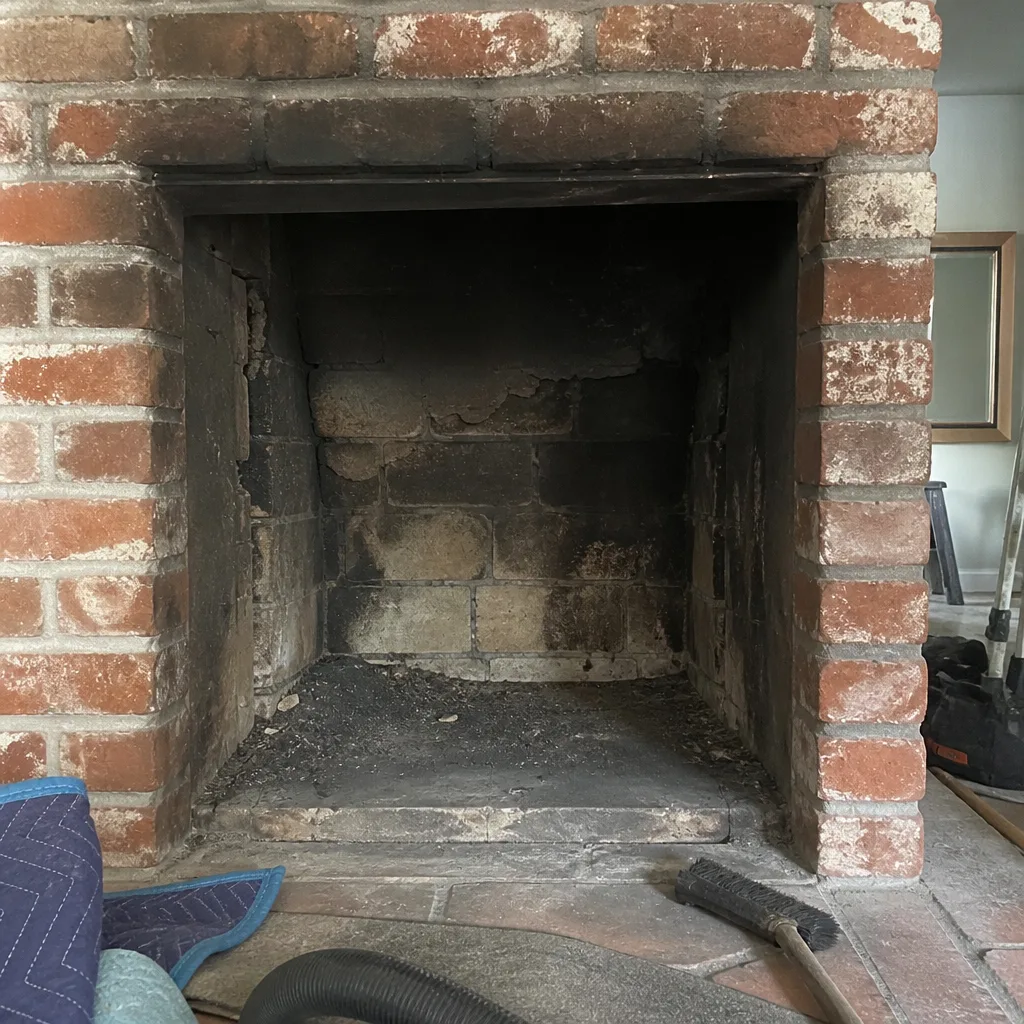 Before
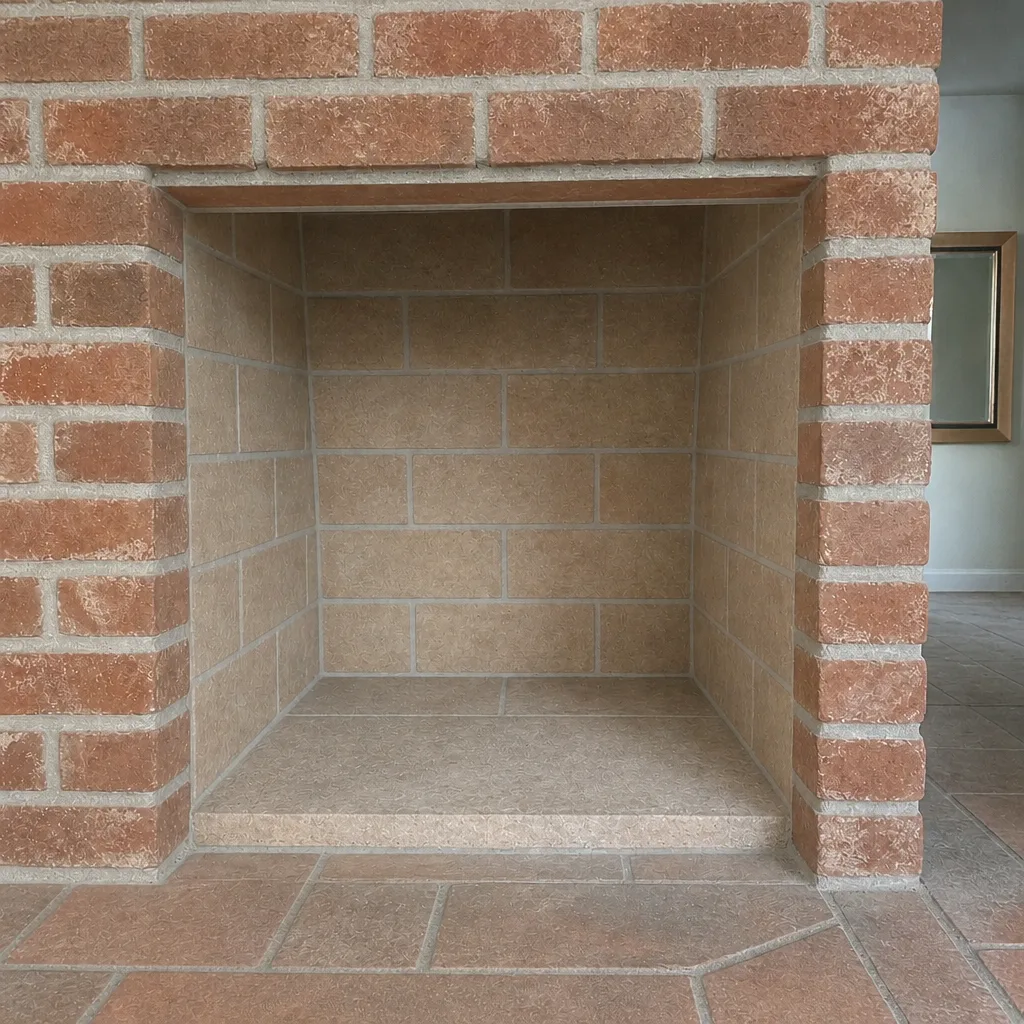 After
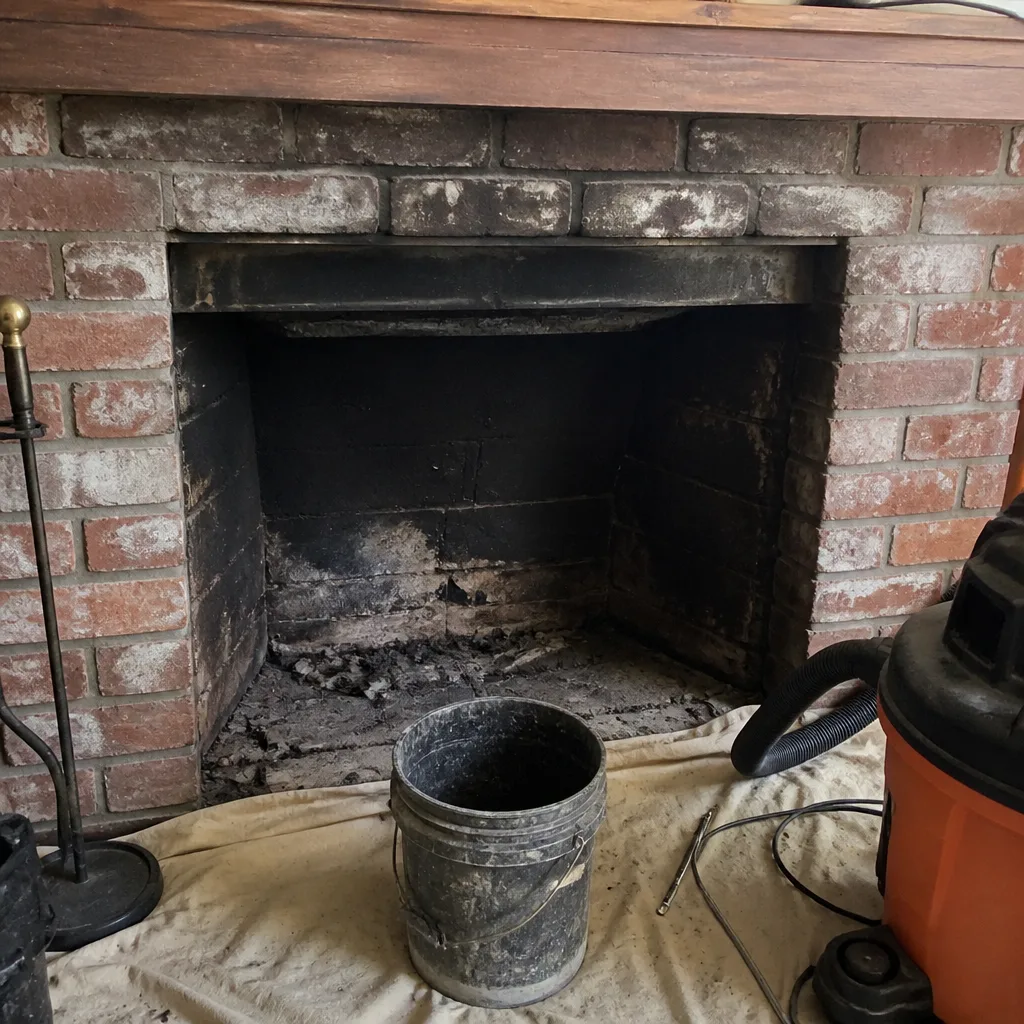 Before
 After
 Before
 After
When to Call a Professional
Call a professional when you smell combustion gases inside, see staining that wasn’t there before, or get a smoky room that clears and comes back without a clear cause. Call when your damper won’t move or won’t seal, when the crown is visibly cracked, or when a cap is missing or damaged. Call before the next burning season if it’s been more than a year or your chimney has sat unused and uncapped. And call for a standalone inspection if you’re buying a Downtown Anaheim home and want the chimney checked before closing, or if you’ve been told you need liner work and want a second opinion with camera evidence.
Chimney Sweep Downtown Anaheim offers free estimates in Downtown Anaheim. Call (855) 658-5274. We answer 24/7. Fast dispatch from 7am to 7pm, Sunday through Friday.
Frequently Asked Questions
A cleaning removes deposits, but it doesn’t fix draft. Smoke that still spills after a sweep usually points to a warped or seized damper, negative air pressure in a tightly sealed house, a flue that’s undersized for the firebox, or a liner breach. The next step is a camera inspection to see which one you have, not another sweep. Call (855) 658-5274 for an inspection quote; estimates are free.
Soot is the fine black powder that wipes off easily, and it’s normal. Creosote is thicker and harder, and it forms in three stages from flaky (first degree) to crusty (second) to glazed and tar-like (third). If you can scrape it with a putty knife without it flaking off cleanly, it’s likely second degree or worse. A tech can confirm the stage by camera along the full flue. Call (855) 658-5274 to book an inspection; estimates are free.
Not always. Windy-day smoke is often negative air pressure or a termination in a pressure shadow from the roofline, not a dirty flue. It’s most common in newer, tighter Downtown Anaheim homes and after weatherization upgrades. A pressure test at the firebox tells you in minutes whether the fix is makeup air, a damper adjustment, or a flue extension. Call (855) 658-5274 to schedule a free estimate.
It can be, and it’s a different problem than a heavily used chimney. An unused flue in a mild climate tends to collect moisture, corrode the damper, and attract animals. A crown that’s been leaking for years shows up as a damp firebox or staining. An unused chimney needs an inspection before the first fire of the season, not after. Call (855) 658-5274 for a free estimate.
You know when a camera shows a breach: a crack, gap, or missing section in the flue tile. Without that footage, nobody can say, and you shouldn’t accept a liner recommendation that doesn’t come with it. Some damaged flues qualify for HeatShield restoration instead of full replacement, which is a decision the camera evidence makes for you. Call (855) 658-5274 to book an inspection; estimates are free.
Yes, fully closed when there’s no fire. A closed damper keeps warm room air in, keeps damp outside air out, and keeps animals out. The problem is a damper that’s seized shut or warped open, which stops sealing and lets the flue act as a chimney for the house’s heat year-round. If yours won’t seal, that’s a fireplace repair. Call (855) 658-5274 for a free estimate.
The Bottom Line
A chimney symptom is a message, not a verdict. The smoky room, the lingering smell, the stain by the chase, and the draft that comes and goes each point at a specific part of the system, and a sweep fixes exactly one of them. Downtown Anaheim’s mild climate and infrequent fireplace use make dampers, crowns, and caps the common culprits, and liner condition is the finding you can’t afford to miss. Read the symptom, get a camera view, and let the evidence drive the fix. We handle the sweep and anything we find, from a warmed-up damper to a HeatShield restoration. Call (855) 658-5274. We answer 24/7. Fast dispatch from 7am to 7pm, Sunday through Friday.
Explore our full range of services at Chimney Sweep Downtown Anaheim, learn what to expect from a chimney sweep, see how we handle chimney cap & crown repair, and read about our fireplace repair work on dampers and fireboxes.
Written by the team at Chimney Sweep Downtown Anaheim.