
Last updated November 24, 2026
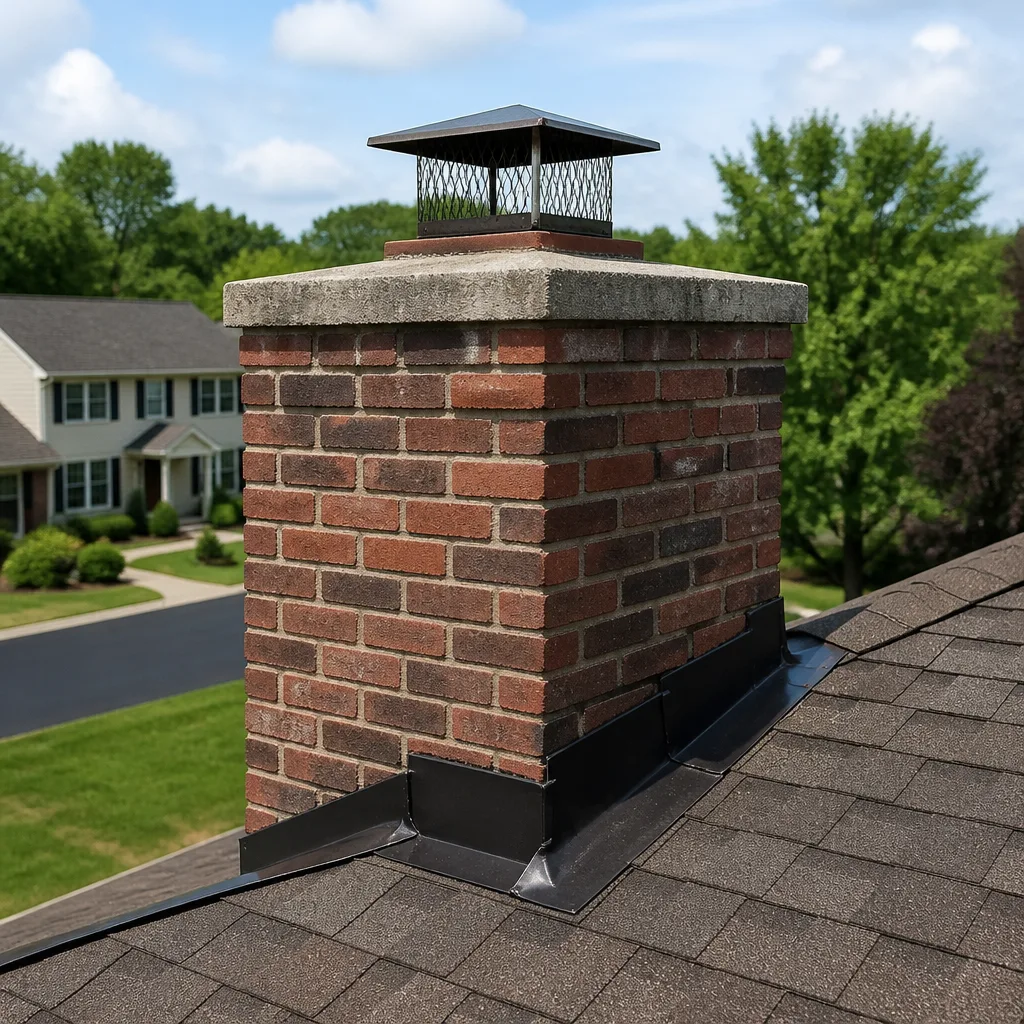 Sweep & inspection
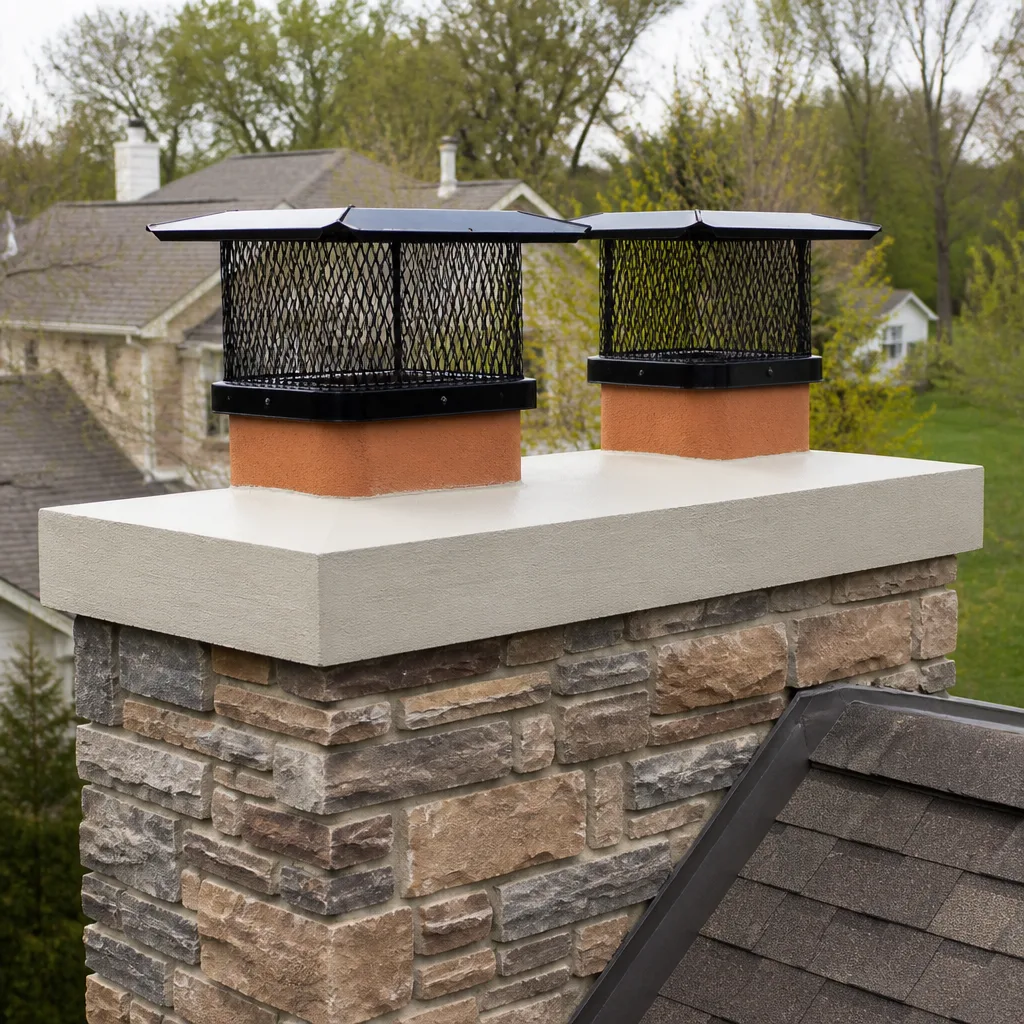 Caps & crowns
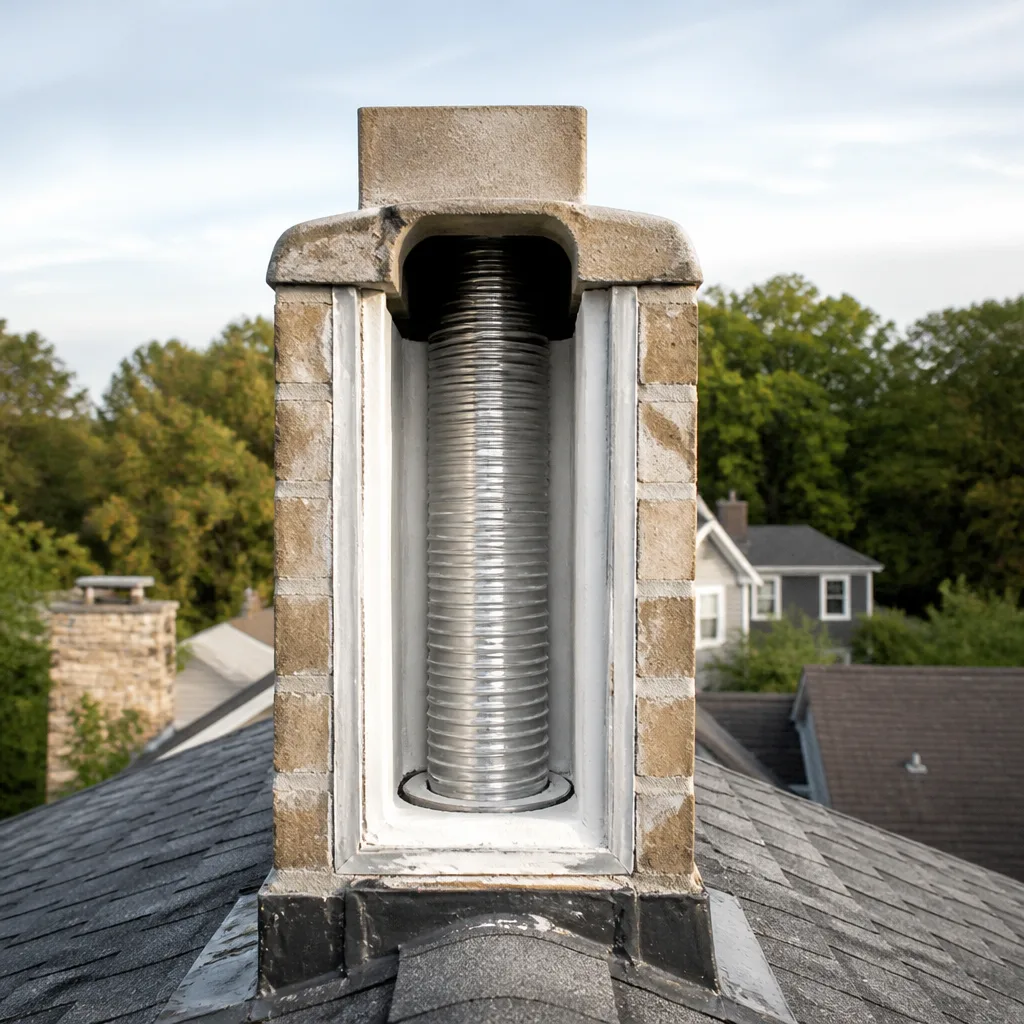 Flue relining
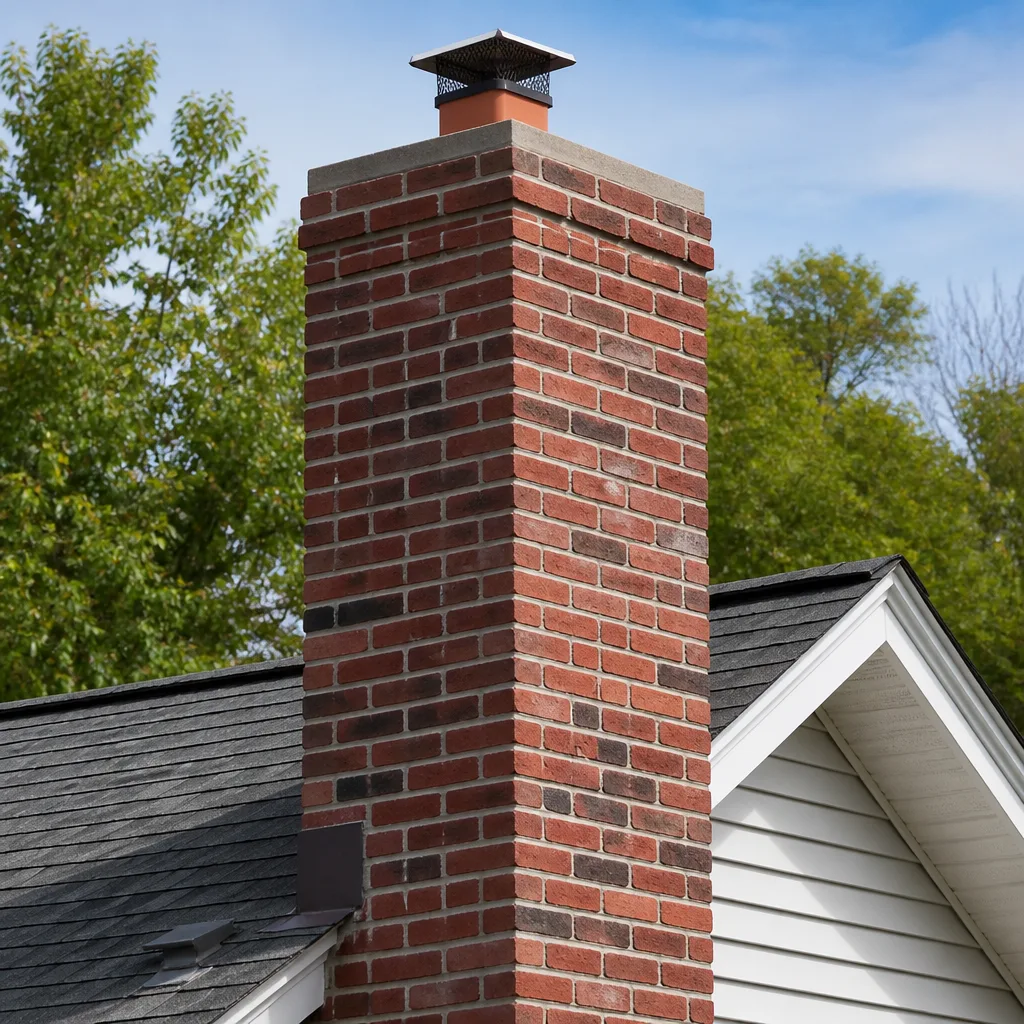 Masonry repair
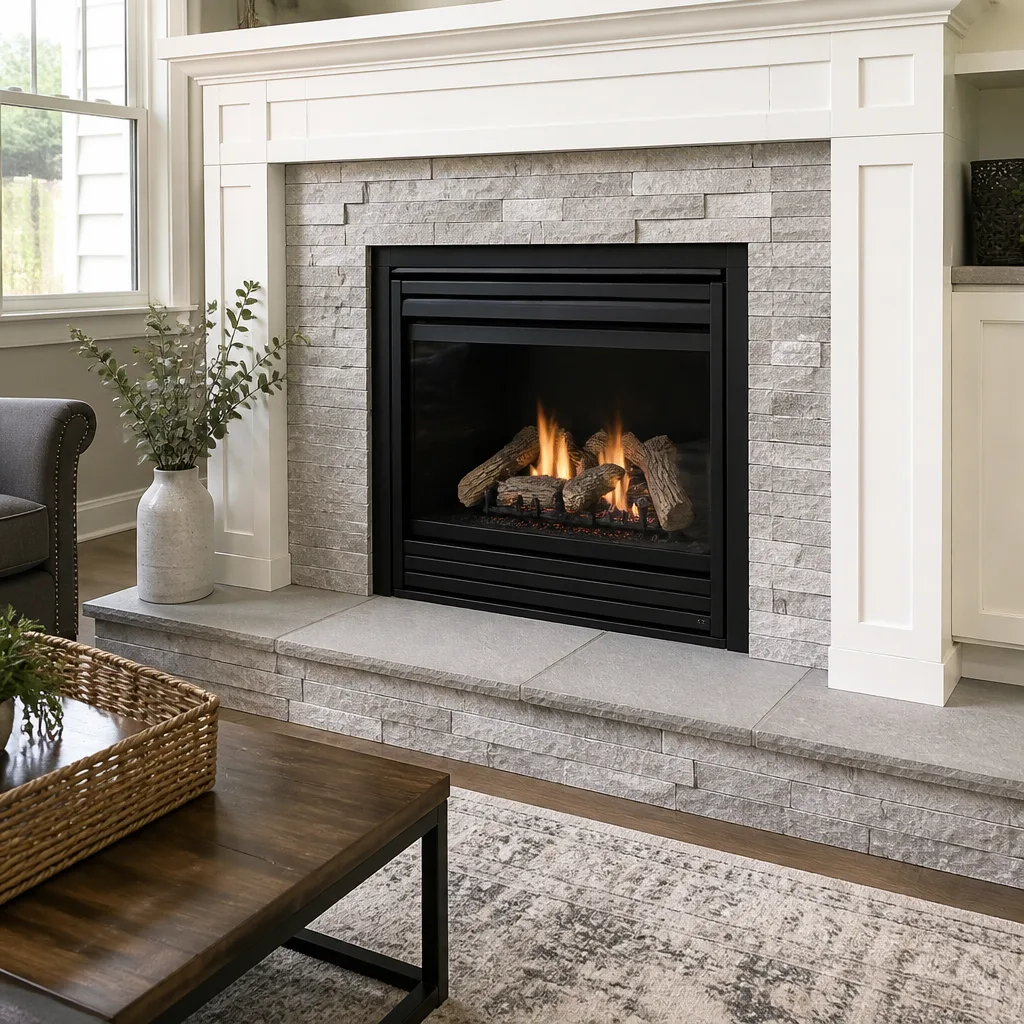 Gas fireplace service
Level 1 sweep and inspection to the NFPA 211 annual standard - flue, crown, cap, and flashing checked and photographed
Chimney sweep logs do not sweep chimneys. They loosen some creosote - which then falls where a brush and vacuum still have to collect it.
Choosing the Right Chimney Cleaning Brand: A Buyer’s Guide for Downtown Anaheim
When a chimney contractor tells you they’re “applying a waterproofing treatment,” that sentence carries almost no information. ChimneySaver, a vapor-permeable siloxane formula, behaves nothing like a paint-on masonry sealer that traps moisture inside the brick and speeds up spalling. The brand and the formulation are the actual specification. The category name is just marketing. This guide names the product lines that credentialed chimney professionals actually use for sweeping, sealing, waterproofing, and relining, and it shows you how to check whether the contractor in front of you knows the difference. You’ll learn the alloys behind stainless liner systems, the creosote treatments worth knowing, and the questions that separate product knowledge from a sales pitch. Downtown Anaheim homeowners deal with the same materials decisions as anyone else, and this guide is written for them.
Quick Answer
The right chimney cleaning brand depends on the job: HeatShield and Thermocrete for liner restoration, ChimneySaver siloxane for vapor-permeable waterproofing, Anti-Creo-Soot or CSL for creosote conditioning, and professional-grade stainless systems such as DuraFlex or Olympia Chimney for relining. A contractor who can name the brand, the formulation, and the reason it fits your flue is a contractor who knows what they’re applying. One who says “we use the best materials” without a name is guessing.
Styles & brands we work with
- Sweep & inspection
- Caps & crowns
- Flue relining
- Masonry repair
- Gas fireplace service
Table of Contents
- Why Chimney Product Brands Matter More Than Most Homeowners Realize
- The Product Categories Every Downtown Anaheim Homeowner Should Know by Name
- Why Vapor-Permeable Waterproofing Matters in Downtown Anaheim’s Climate
- 304 vs. 316 Stainless: What the Alloy Tells You About the Job
- How to Ask a Contractor What Brand They’re Using: A Cheat Sheet
- Reading Product Knowledge in Five Minutes
- Cap, Crown, Liner, Firebox: Buying the Whole System, Not Just a Sweep
- When to Call a Professional and What to Verify First
Why Chimney Product Brands Matter More Than Most Homeowners Realize
Chimney work hides its materials. Nobody climbs onto the roof after the crew leaves to check which sealant went onto the crown, and nobody sees the liner alloy once it’s dropped down the flue. That invisibility is exactly why brand literacy matters. The product is the job. If the contractor can’t tell you what product they used and why, you have no way to verify what you paid for.
In our experience, the chimney trade runs on a small number of professional-grade product lines. Sweep-only operators often buy from a general supply house, and what’s on the shelf that week shapes the recommendation. Full-service specialists order by specification: DuraFlex stainless liner systems for relining, HeatShield for restoring a damaged clay flue, Gelco or Olympia Chimney components for caps and terminations, Famco and Copperfield for related venting and fireplace hardware. Those names exist for a reason. Each product line is engineered for a specific condition, and a technician who has installed these systems knows where one stops and another begins.
Downtown Anaheim has a lot of older housing stock, much of it built in eras when clay tile flues were the standard and no one anticipated today’s appliance loads. A clay flue that has cracked, spalled, or separated at the joints is a different problem than a soot-covered but intact one. The brand decision follows the diagnosis. That’s why we inspect first and recommend second. If you want the full picture of what a professional chimney sweep actually does versus what a product pitch sounds like, that distinction is the foundation of everything below.
The Product Categories Every Downtown Anaheim Homeowner Should Know by Name
You don’t need to become a chimney technician to buy well. You need to know which categories exist, which brands lead each one, and what question to ask. Here are the four that come up most in Downtown Anaheim homes, plus the applications that matter.
Liner systems
- HeatShield – a resurfacing system for damaged or aging clay flues. It restores the existing liner rather than replacing it, which keeps the original chimney footprint intact. Used on flues that are sound in structure but failing in surface integrity.
- Thermocrete – a cast-in-place insulation and liner system, poured around a form to create a new flue inside the old chimney. It insulates as it lines, which matters for wood-burning appliances.
- DuraFlex – flexible stainless steel liner systems sized to the appliance and the flue. The workhorse for relining an older chimney without tearing into the masonry.
- Olympia Chimney – another professional-grade source for liner and venting components, often specified when the flue geometry or appliance type calls for a different configuration.
Waterproofing
ChimneySaver is the name to know. It’s a siloxane-based, vapor-permeable treatment that bonds to masonry and repels liquid water while letting moisture vapor escape. Paint-on sealers and elastomeric coatings trap vapor below the surface, which is the opposite of what brick and mortar need.
Creosote treatments
Anti-Creo-Soot and CSL are creosote conditioners, chemical products that change the nature of built-up creosote so it can be removed more thoroughly or burns differently in a subsequent fire cycle. They are supplements to sweeping, never substitutes for it.
Cap and crown materials
Caps come in stainless, copper, and galvanized steel, and the material choice matters in a hot, dry climate where UV exposure and temperature swings work on metal for years. Gelco and Copperfield both supply cap and crown components that hold up. The crown itself is a masonry mix, and the formulation determines whether it will crack at the first significant expansion cycle.
Why Vapor-Permeable Waterproofing Matters in Downtown Anaheim’s Climate
Downtown Anaheim’s climate is warm and mostly dry, but “mostly dry” is not “always dry.” Winter rain arrives in concentrated bursts, and the humidity swings between seasons are real. Masonry absorbs moisture during the wet months and then gets baked during the dry ones. That cycle is what drives spalling: water gets in, expands or migrates, pushes the brick face off, and leaves you with a crumbling exterior.
The key fact about masonry is that it breathes. Brick and mortar are porous, and moisture vapor moves through them constantly. Waterproofing has to accommodate that movement. A vapor-permeable siloxane treatment like ChimneySaver lets vapor out while keeping liquid water from soaking in. A non-permeable paint-on sealer does the opposite. It seals the surface, traps moisture underneath, and pushes the damage deeper into the masonry. When the coating eventually fails, it fails in sheets, and the brick beneath is worse off than before the sealer was applied.
In our experience, the tell is simple. Ask what product the contractor intends to apply. If you hear “a masonry sealer” with no brand, ask what happens to vapor. A technician who knows the difference will tell you the treatment has to be breathable. One who doesn’t will look at you like you asked a strange question. That’s your answer. Downtown Anaheim homes sit close to one another with shared rooflines and little air movement between buildings, so moisture that gets trapped in a chimney’s masonry has fewer ways to escape. Breathable waterproofing is not a premium upgrade. It’s the correct specification.
304 vs. 316 Stainless: What the Alloy Tells You About the Job
Stainless steel liner systems come in different alloys for a reason, and the alloy choice tells you whether the contractor matched the product to the fuel. Both 304 and 316 are stainless, but they resist corrosion at different levels, and the difference is chemistry, not marketing.
- 304 alloy – the standard stainless for most wood-burning applications. It handles the combustion byproducts of a wood fire well, and it’s the economical choice when the flue is dedicated to a wood stove or fireplace insert.
- 316 alloy – adds molybdenum to the steel, which gives it better resistance to chloride and acid attack. It’s specified for gas appliances, oil, and any application where condensate or corrosive compounds are present in the flue gases.
The practical rule: gas and oil need 316, wood usually needs 304. A contractor who relines a gas appliance with 304 because it’s cheaper has made a mistake that will show up as corrosion and premature failure. A contractor who names the alloy without being asked, and explains why it fits your appliance, has done the spec properly.
This is where the full-service model pays off. When the same specialist inspects the flue, identifies the appliance, and specifies the liner, there’s no gap between the diagnosis and the product. Downtown Anaheim has a mix of older wood-burning fireplaces and homes that have been converted to gas logs or inserts over the years. The appliance determines the alloy, and the alloy determines the price and the lifespan. Ask the question. The answer should be immediate.
How to Ask a Contractor What Brand They’re Using: A Cheat Sheet
Verifying product knowledge takes a few targeted questions, not an interrogation. The goal is to hear the brand, the formulation, and the reason, in a normal conversation. Here’s the sequence that works.
- Start with the job requirement, not the product. “The clay flue has some cracking at the joints. What do you use for that?” You’re checking whether they reach for a resurfacing system like HeatShield, propose a full reline, or hand-wave.
- Ask for the brand by name. “Which product line are you planning to apply?” A specialist answers with a name. A generalist answers with a category.
- Ask why that one. “Why that product instead of the alternative?” You’re listening for a reason grounded in the condition of your flue, not the availability of the product.
- Ask about vapor. For any waterproofing work: “Is this treatment vapor-permeable?” If the answer is yes, follow up with “what happens to moisture that’s already in the brick?” If the answer is no, or the technician hesitates, stop.
- Ask about the alloy. For any relining: “What stainless alloy will the liner be?” Then: “Why that alloy for this appliance?” The correct answer is 304 for wood, 316 for gas or oil, with a reason.
- Ask what happens if they find something else. “If the flue needs structural repair, who handles that?” The answer should be them, or the conversation has hit the referral gap.
None of these questions require technical training to ask. They just require knowing the categories. Run this sequence with three contractors and the difference is obvious. The one who answers each question directly, without looking it up, knows the products. The one who deflects to “we use the best” doesn’t.
Reading Product Knowledge in Five Minutes
You can usually tell within the first ten minutes whether a contractor knows their products. Here’s what to watch for, and what the signals mean.
Green flags
- They name the product before you ask, in a natural way: “We’ll use ChimneySaver on the crown because it’s vapor-permeable.”
- They distinguish between resurfacing and relining, and explain when each applies. HeatShield restores a clay flue that’s structurally sound. A full stainless reline is for a flue that can’t be restored.
- They ask about your appliance before recommending a liner. The fuel type drives the alloy, and a technician who skips the question hasn’t matched the product to the job.
- They explain the difference between a cap and a crown without being prompted. The cap keeps out animals, water, and debris. The crown is the masonry at the top that sheds water away from the flue. These are different repairs.
Red flags
- “We use the best materials” with no brand name. This is the clearest signal that the contractor doesn’t know what they’re applying.
- A waterproofing recommendation without a vapor-permeability mention. Non-permeable sealers are cheaper and faster, and they cause long-term damage.
- Pushing a full reline before doing an inspection. “Inspect first, recommend second” is the honest order.
- Quoting a price before they’ve seen the flue. The written estimate has to follow the inspection, not precede it.
- Handing you off to a second contractor for the repair. If the diagnosis and the fix come from different companies, no one owns the outcome.
Downtown Anaheim homeowners, especially those in older homes, get pitched a lot. The green flags above are how you filter. If a contractor can’t name their products, they can’t have matched them to your system.
Cap, Crown, Liner, Firebox: Buying the Whole System, Not Just a Sweep
A chimney is not a single object. It’s a system with a flue at the core, a firebox at the base, a crown at the top, and a cap above that. Each part fails in its own way, and a thorough Chimney Sweep Downtown Anaheim service should be able to inspect all of it, not just run a brush down the flue. When the inspection turns up a cracked crown or a damaged firebox, the same specialist should be able to do the work. That’s the difference between a sweep-only operator and a full-service chimney specialist.
Brand knowledge across the system matters here. A cap made by Gelco is a different product than a generic galvanized unit, and the material determines how long it lasts. A crown repair with a proper masonry mix will outlast a patch. A chimney cap & crown installation closes the top of the system against water and animals, which prevents hundreds of downstream problems. A fireplace repair addresses the firebox and surround, where masonry joints fail from heat cycles.
In our experience, the homeowners who call us after a sweep-only operator found “a problem we don’t handle” are the ones who understand why product literacy matters. They didn’t get a bad sweep. They got a good sweep that stopped at the first real repair. The specialist who inspects the whole system, names the products, and performs the work in one pass is the model that protects your home. We handle the sweep and anything we find, and that’s the standard to hold any chimney contractor to.
When to Call a Professional and What to Verify First
Some chimney work is genuinely a phone call, and some is a hard stop. High-tension springs, cables, and anything involving a gas appliance connection belong to a trained professional, no exceptions. A gas line is not a DIY project. If you smell gas, the correct move is to shut off the appliance and call a professional, not to investigate.
For routine work, the scenarios that warrant a call are straightforward. Your last sweep was several years ago and you’ve been burning regularly. You’ve noticed cracked masonry at the crown or crumbling mortar at the flue joints. There’s water staining on the ceiling near the chimney. You’ve moved into a Downtown Anaheim home and don’t know the service history. You’re buying a home and want a pre-purchase inspection of the chimney system before you sign. Or a wood fire has been smoky and downdrafting, which points to a flue or cap problem.
Chimney Sweep Downtown Anaheim offers free estimates in Downtown Anaheim. The estimate is set per job by the written estimate, and inspection comes first. Call (855) 658-5274. We answer 24/7. Fast dispatch from 7am to 7pm, Sunday through Friday.
Common Mistakes to Avoid
- Accepting “we use the best materials” as an answer. Ask for the brand, the formulation, and the reason. A contractor who can’t name their products can’t have chosen them properly. This is the single most common mistake homeowners make.
- Letting a paint-on sealer go onto masonry. In Downtown Anaheim’s warm, dry climate, a non-permeable sealer looks fine for a couple of seasons and then traps moisture that pushes the brick face off. Always ask whether the treatment is vapor-permeable.
- Relining a gas appliance with 304 stainless. The alloy has to match the fuel. A 304 liner on a gas appliance will corrode far sooner than a 316. If the contractor doesn’t ask about your appliance before recommending a liner, that’s a warning sign.
- Buying a sweep without an inspection. A sweep removes soot and creosote. An inspection finds the failing crown, the cracked flue, the damaged firebox. If you only buy the sweep, you’re missing the part that protects the structure.
- Skipping the cap because it’s “just a cover.” A cap keeps out rain, animals, and debris, and a missing or damaged cap is one of the most common causes of water intrusion into a Downtown Anaheim chimney. It’s structural protection, not an accessory.
- Accepting a price before the inspection. A written estimate should follow the inspection, not precede it. Quoting blind means quoting the wrong job.
- Handing off to a second contractor for the repair. When the diagnosis and the fix come from different companies, the referral gap delays safety work and splits responsibility. Buy from one specialist who does the whole system.
See the difference
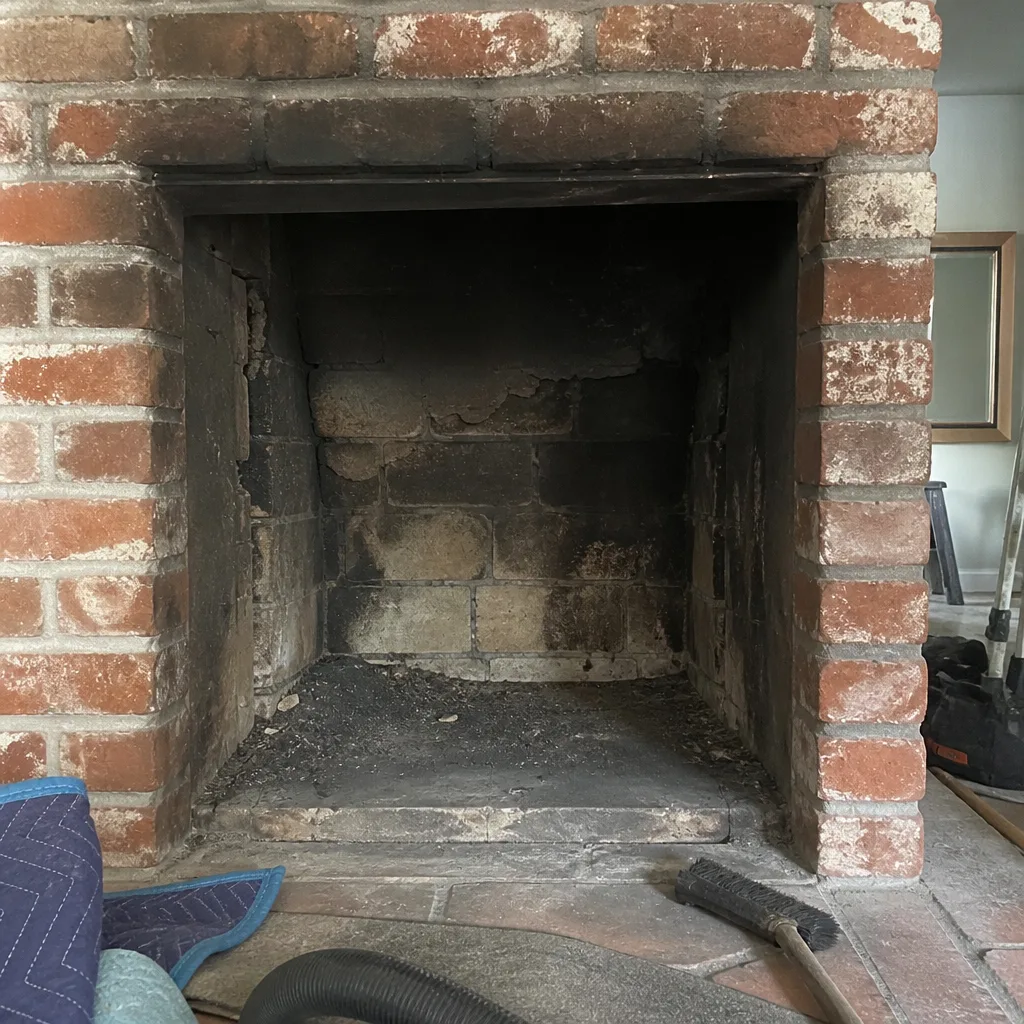 Before
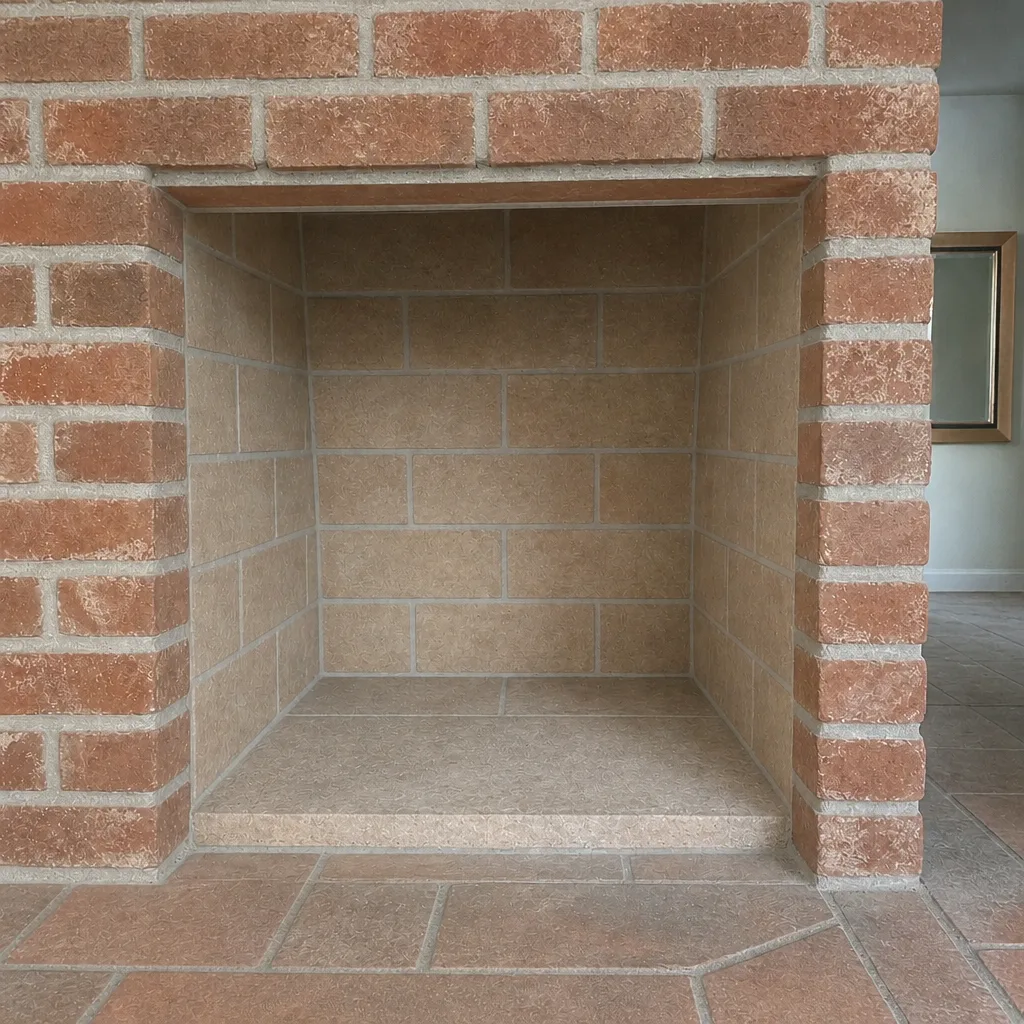 After
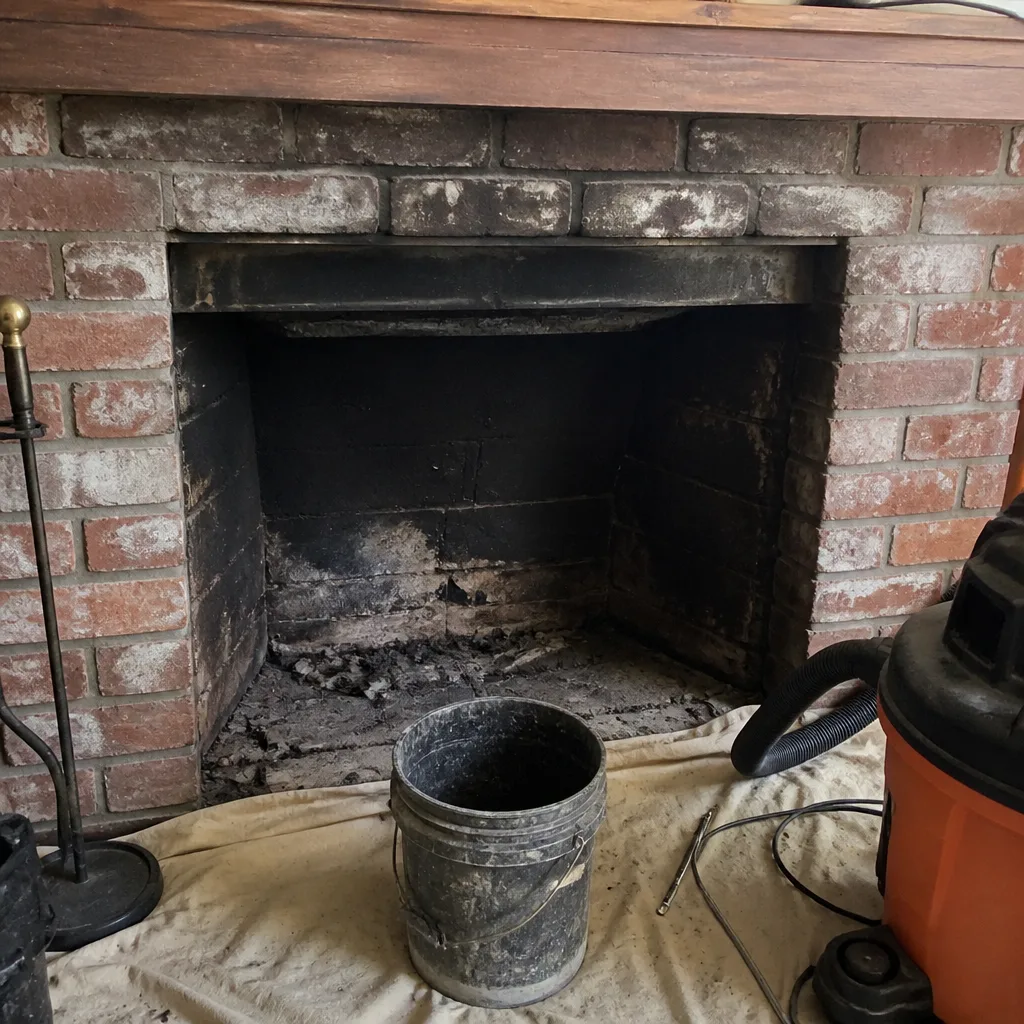 Before
 After
 Before
 After
Frequently Asked Questions
Professional-grade lines include HeatShield and Thermocrete for liner restoration, ChimneySaver for vapor-permeable waterproofing, Anti-Creo-Soot and CSL for creosote conditioning, DuraFlex and Olympia Chimney for stainless liner systems, and Gelco, Famco, and Copperfield for caps, venting, and fireplace components. These are the names credentialed specialists specify by job requirement, not the cheapest item at the supply house. Ask your contractor which of these they use and why.
Because masonry breathes, and a sealer that traps vapor inside the brick speeds up spalling rather than preventing it. Downtown Anaheim gets concentrated winter rain followed by long dry stretches, which drives moisture in and out of brick. A siloxane treatment like ChimneySaver lets vapor escape while repelling liquid water. A paint-on sealer does the opposite. Ask any contractor whether their waterproofing is vapor-permeable before you agree to it.
304 is the standard alloy for wood-burning applications, and 316 adds molybdenum for better corrosion resistance in gas and oil applications. The alloy has to match the fuel type. A 316 liner costs more but lasts longer in a gas flue, and a 304 liner in a gas flue will corrode prematurely. When a contractor recommends a reline, ask which alloy and why. Call (855) 658-5274 for an exact quote if you’re unsure what your appliance needs. Estimates are free.
Once a year for most homes that burn regularly, and more often if you burn a lot of wood or notice heavy creosote buildup. The sweep is the baseline. The inspection is what catches problems the brush doesn’t reach. If it’s been several years since your last service, start with an inspection and let the findings drive the cleaning. Call (855) 658-5274 to schedule. We answer 24/7, with fast dispatch from 7am to 7pm, Sunday through Friday.
A liner restoration is only necessary when the flue has provable damage, such as cracked joints, spalling, or separation, and you should be able to see the evidence before you agree to the work. HeatShield and Thermocrete exist for flues that are structurally sound but failing at the surface. If a contractor recommends restoration without showing you the condition of the flue, ask to see it. Nothing should be recommended without evidence you can verify. Call (855) 658-5274 for an inspection first. Estimates are free.
Creosote accumulates in the flue and becomes a fire hazard, and small masonry problems at the crown or flue joints get worse as water works its way in. The risk is not hypothetical: a chimney fire can spread beyond the flue, and carbon monoxide from a blocked or damaged flue is a serious health hazard. A clean chimney is a safe chimney, but a sound chimney keeps it that way. Call (855) 658-5274 to book an inspection. We answer 24/7, with fast dispatch from 7am to 7pm, Sunday through Friday.
The Bottom Line
The brand is the specification. ChimneySaver versus a paint-on sealer, 304 versus 316 stainless, HeatShield versus a generic patch: these aren’t details, they’re the difference between a repair that holds and one that fails in a few seasons. A contractor who can name their products, explain the formulation, and match the alloy to your appliance has done the job correctly. One who can’t is guessing at your expense. Downtown Anaheim homeowners deserve the version of this conversation where the product is named and the reason is clear. Inspect first, recommend second, and demand the same from anyone who works on your chimney.
Contact
Chimney Sweep Downtown Anaheim is a chimney-only specialist handling sweeping, inspection, cap and crown work, fireplace repair, and chimney repair as a single provider. We work with professional-grade brands including DuraFlex, HeatShield, Gelco, Olympia Chimney, Famco, and Copperfield, and our technicians have up to 10 years of experience. The local pro is licensed and insured as their state requires. Call (855) 658-5274 for a free estimate. We answer 24/7. Fast dispatch from 7am to 7pm, Sunday through Friday.
Written by the team at Chimney Sweep Downtown Anaheim.