
Last updated November 24, 2026
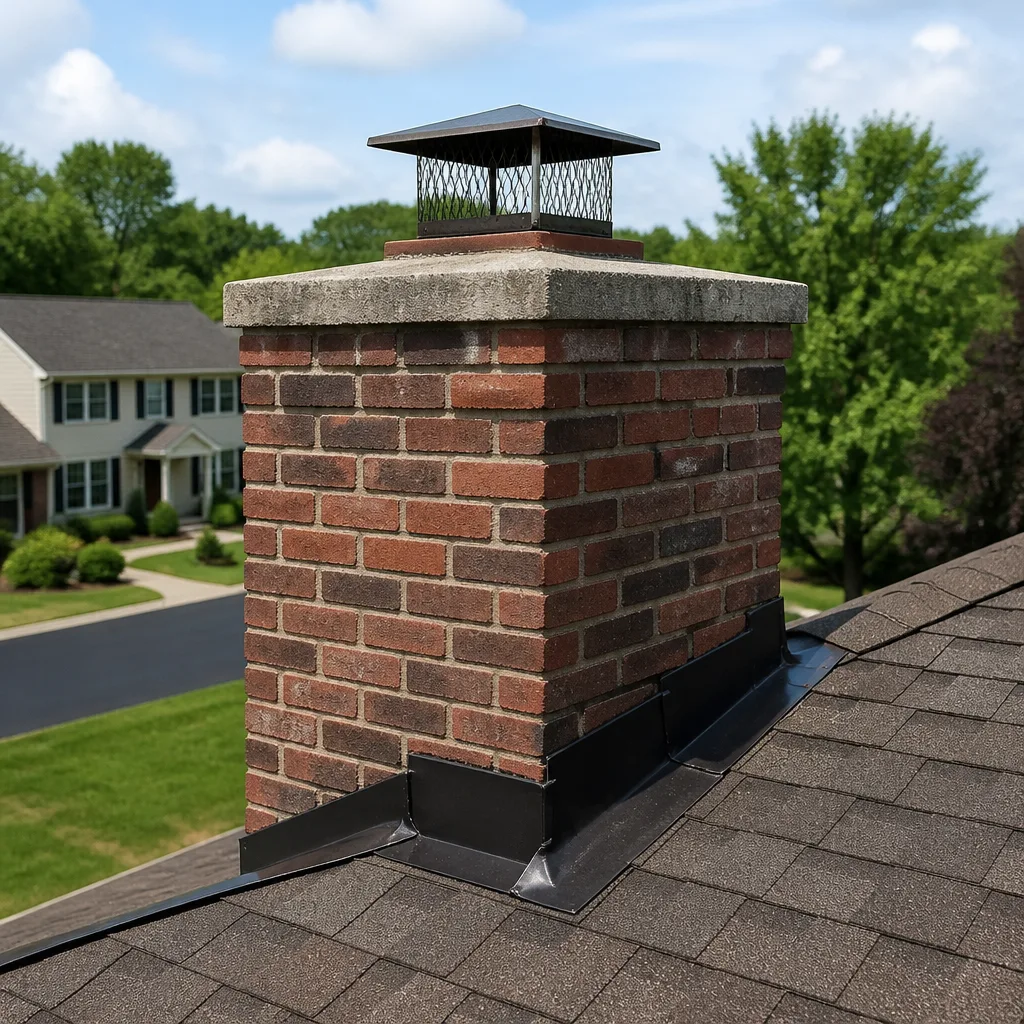 Sweep & inspection
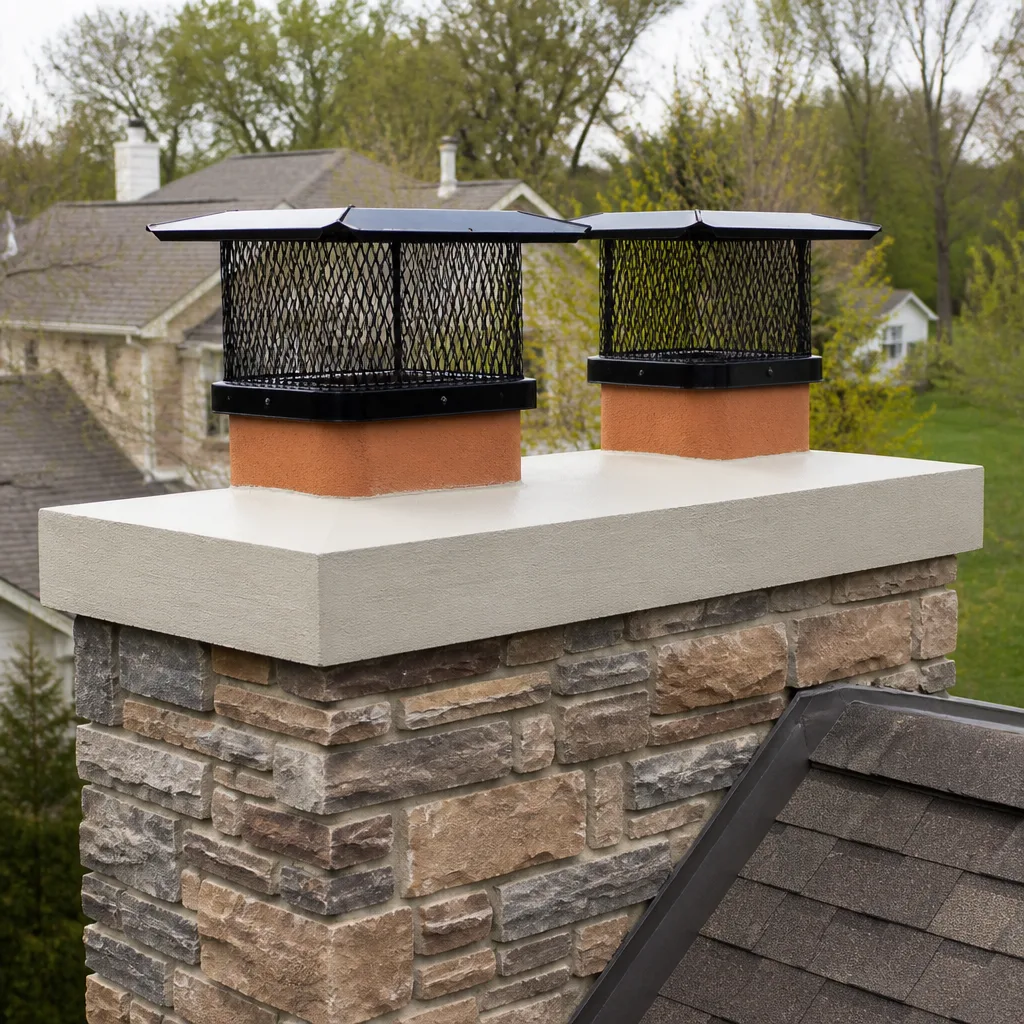 Caps & crowns
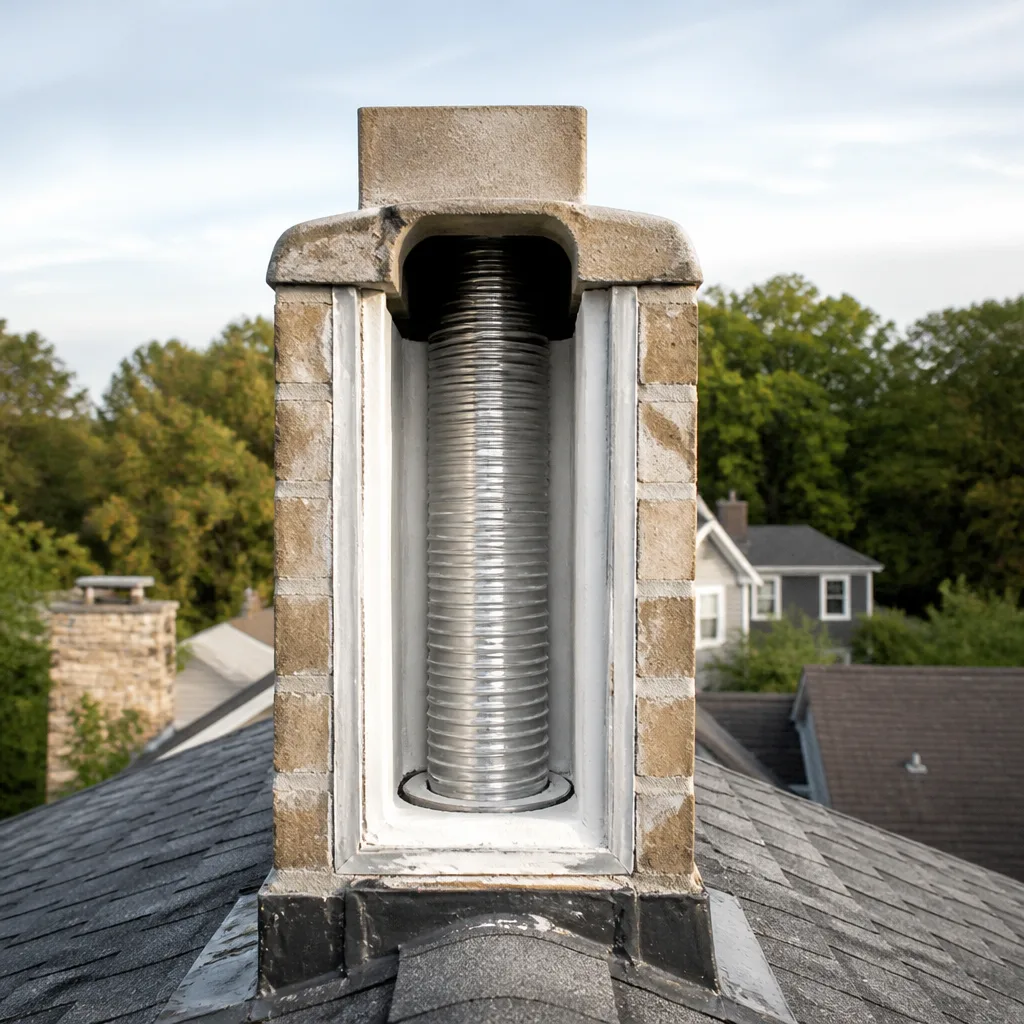 Flue relining
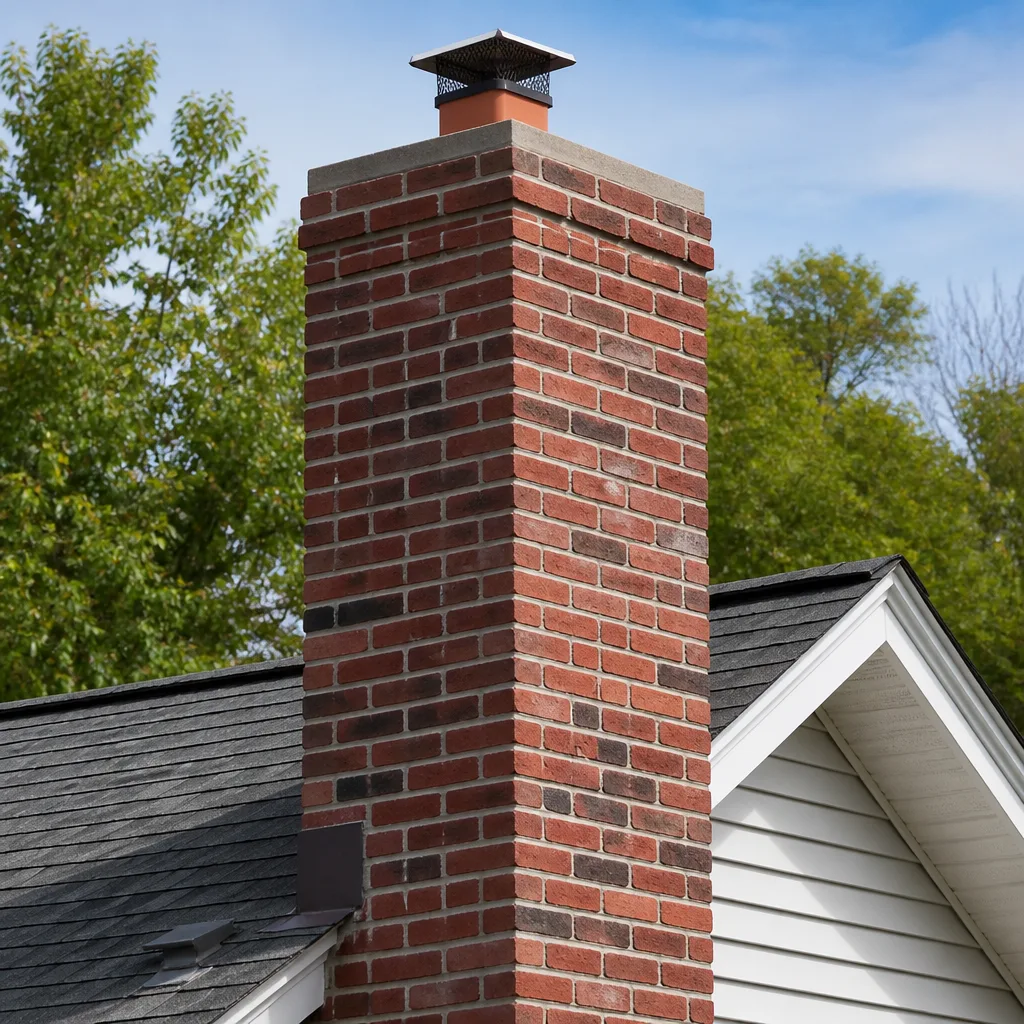 Masonry repair
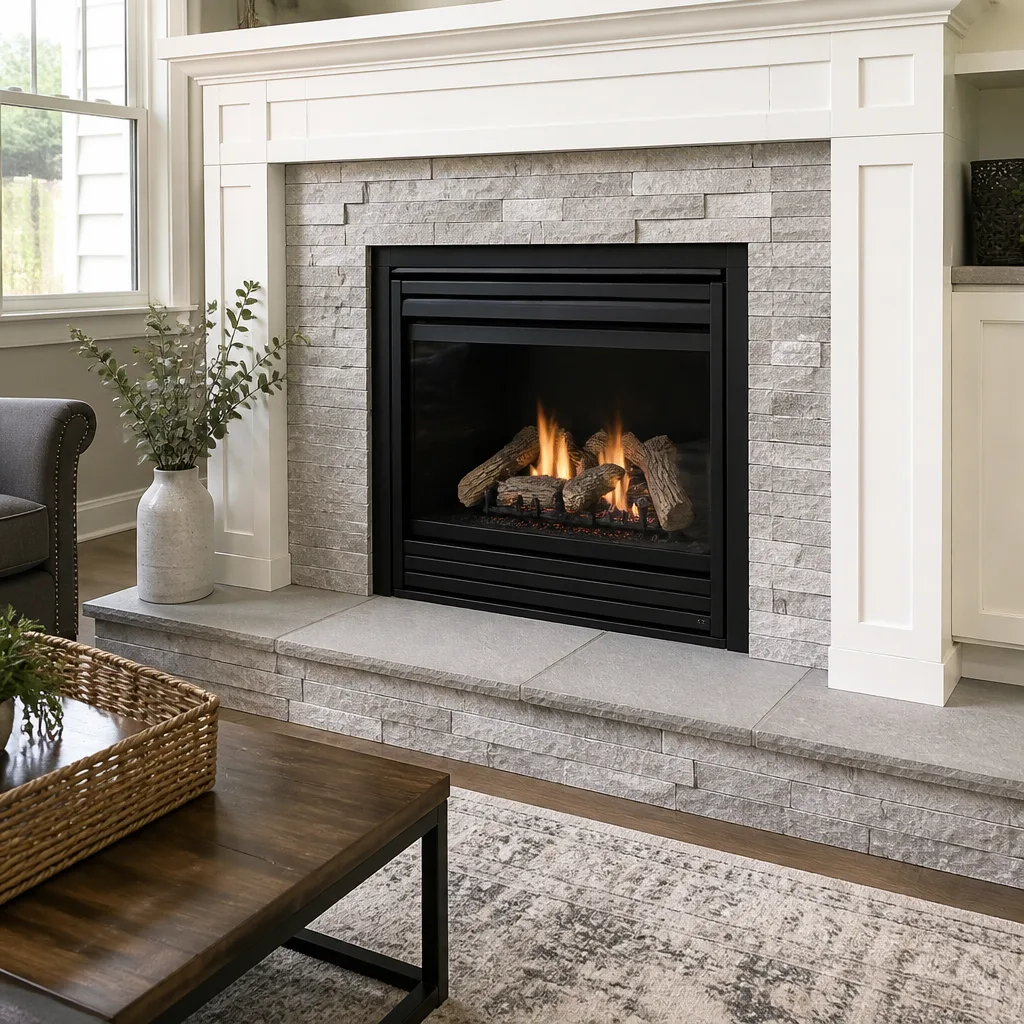 Gas fireplace service
Level 1 sweep and inspection to the NFPA 211 annual standard - flue, crown, cap, and flashing checked and photographed
Chimney sweep logs do not sweep chimneys. They loosen some creosote - which then falls where a brush and vacuum still have to collect it.
DIY vs Professional Chimney Cleaning: The Downtown Anaheim Homeowner’s Decision Guide
A homeowner with a quality chimney brush, proper rods, and a HEPA shop vac can physically remove loose soot from a standard wood-burning flue. That part is true, and anyone who tells you otherwise is protecting a service fee rather than leveling with you. But the brush work is the easy part. What that homeowner cannot see is the Stage 2 creosote glazed to the tile liner walls, the cracked terra cotta segment behind the smoke shelf, or the gap in the flashing that explains the water stain spreading across the ceiling below. This guide draws the line between what a careful homeowner can safely handle and what genuinely needs trained eyes and professional equipment, so Downtown Anaheim homeowners can make a real decision instead of guessing.
Quick Answer
A homeowner can safely remove light, dry soot from a standard flue with the right brush and rods, but anything beyond that (glazed creosote, liner cracks, moisture intrusion, or a flue that hasn’t been cleaned in several years) needs a professional sweep and inspection. In Downtown Anaheim’s older housing stock, the odds that a first-time DIY sweep uncovers a problem beyond simple soot removal are high enough that a professional inspection before you start is the honest first step. The brush is not the hard part. Seeing what the brush misses is.
Styles & brands we work with
- Sweep & inspection
- Caps & crowns
- Flue relining
- Masonry repair
- Gas fireplace service
Table of Contents
- The Technical Skills Matrix: What You Can Do and What You Can’t
- The Tools a DIY Attempt Actually Needs (and What Hardware Store Kits Get Wrong)
- Why Older Downtown Anaheim Homes Change the Math
- Liability and Insurance: What Happens After a Self-Cleaned Chimney Fire
- What Professional Chimney Cleaning Should Actually Include
- The Real Cost Comparison: DIY Savings vs. Deferred Repairs
- Creosote Stages and Why They Matter More Than Soot
- A Step-by-Step Decision Framework for Downtown Anaheim Homeowners
The Technical Skills Matrix: What You Can Do and What You Can’t
Most DIY chimney advice lumps every task together and either blesses the whole project or condemns it. That’s not useful. Chimney work splits cleanly into tasks that need physical access and tasks that need equipment and trained judgment, and a homeowner deserves to know which category each task falls into before picking up a brush.
Tasks that require only physical access, assuming a standard straight flue, adequate roof access, and no prior damage:
- Removing dry, flaky soot from the flue with a correctly sized poly brush.
- Vacuuming loose debris from the firebox floor with a HEPA-rated shop vac.
- Clearing ash from the ash pit or firebox after a burn season.
- Wiping soot from the firebox walls and glass doors.
Tasks that require a camera, chemical knowledge, or structural assessment:
- Identifying Stage 2 or Stage 3 creosote and choosing the right removal method (chemical, rotary, or liner replacement).
- Inspecting the flue liner for cracks, gaps, and spalling terra cotta, which requires a camera on most flues past a certain length.
- Evaluating the smoke chamber and smoke shelf for damage, which is nearly impossible to see without a camera and a light.
- Assessing crown cracks, flashing gaps, and cap damage as sources of water intrusion.
- Judging whether the flue is sized correctly for the appliance, which affects how the whole system drafts.
The dividing line is straightforward: a homeowner can remove what’s on the surface, but evaluating what the surface means is a different job. In our experience, the vast majority of the value in a professional visit comes from the assessment, not the brushing. If your flue is straight, you burn seasoned wood, and you sweep every year, you may well be able to handle routine soot removal on your own. If any of those conditions isn’t true, the equation changes.
The Tools a DIY Attempt Actually Needs (and What Hardware Store Kits Get Wrong)
A minimally safe DIY chimney sweep requires four categories of tooling: a correctly sized poly brush (not wire), flexible rods long enough for the full flue, a HEPA-rated shop vac with a chimney-specific filter bag, and proper roof access equipment including a stable ladder and fall protection. The $30 wire brush kit sold at most hardware stores doesn’t meet any of those four requirements, and it’s the most common starting point for a DIY attempt that ends badly.
Here’s why each piece matters:
- The brush must be poly, sized to the flue. A wire brush on a terra cotta or stainless liner will score the surface and accelerate deterioration. A poly brush that’s too small leaves creosote behind; too large and it jams. Size matters and a kit containing one generic brush won’t fit most flues.
- Rods must reach the full flue length. A typical Downtown Anaheim home has a flue long enough that a short rod set leaves the bottom third untouched. That’s the section most likely to hold glazed creosote.
- The vacuum must be HEPA-rated with a chimney filter. Soot particles are fine enough to pass through a standard shop vac filter and into the room, which creates a health and cleanup problem that undoes the point of cleaning.
- Roof access has to be genuinely stable. A ladder against a two-story exterior wall is not the same as a ladder against a single-story. Most chimney falls happen because the access was improvised, not because the sweep itself was dangerous.
That’s the minimum. A camera is optional for the homeowner but standard for any professional chimney sweep, because without one there is no way to confirm what the brush left behind.
Why Older Downtown Anaheim Homes Change the Math
Downtown Anaheim has a meaningful share of homes built before 1980, and that single fact shifts the DIY calculation more than most homeowners expect. Older homes are likelier to have terra cotta flue liners that have been subjected to decades of thermal cycling, original masonry that’s absorbed moisture, and fireplace configurations that were built to standards that have since been updated. When a first-time sweep opens a flue in that kind of system, the odds of finding a problem that needs professional attention rise sharply.
What that looks like in practice:
- A flue liner with a hairline crack that’s holding together under normal use but fails structurally once a wire brush loosens the soot cementing it in place.
- A smoke chamber with deteriorated parging that starts to flake the moment the flue is disturbed.
- Flashings that were sealed decades ago, where the sealant has dried out and the first rain that follows a sweep finds its way down the outside of the flue.
- A firebox that’s been patched with materials that don’t hold up to heat and that a first-season homeowner mistakes for solid masonry.
The point isn’t that older homes can’t be DIY swept. The point is that in an older home, the discovery problem (finding what needs repair) is the dominant problem, and the DIY sweep is the task least likely to find it. In our experience, the majority of pre-1980 flues in Downtown Anaheim benefit from a camera inspection before any homeowner picks up a brush, because that inspection tells you whether you’re looking at routine soot or a repair project. It’s also worth knowing the structural element at the top of the system is often the first to fail.
Liability and Insurance: What Happens After a Self-Cleaned Chimney Fire
Most homeowner insurance policies cover chimney fires as a covered loss but they also expect that the homeowner has maintained the chimney through reasonable means, and a self-cleaned chimney that subsequently fails raises a question that professional cleaning doesn’t. If a fire is traced back to a failure the homeowner’s own sweep missed, the insurer may investigate whether reasonable maintenance was performed, and the answer can affect the claim.
The practical issues to know about in California:
- Insurance investigations after a chimney fire often request documentation of cleaning and inspection. A professional service provides a written condition report; a DIY sweep provides a memory.
- If a fire is traced to a specific liner defect, the insurer may argue that the homeowner should have identified it. A professional inspection that missed the same defect gives you a defensible position.
- Chimneys that have been self-cleaned but never inspected can be harder to insure in some cases, because the condition is unknown rather than documented.
- In a home sale, a buyer’s inspector will note the absence of sweep records, and that complicates an older Downtown Anaheim home’s close.
None of this means a DIY sweep creates a legal problem. It means documentation has value, and the documentation is the part of professional service that a homeowner simply cannot produce from a self-cleaning. If you’re maintaining a Downtown Anaheim home you plan to sell, that paper trail matters. Our Chimney Sweep Downtown Anaheim team builds that documentation into every visit for exactly this reason.
What Professional Chimney Cleaning Should Actually Include
Professional chimney cleaning in Downtown Anaheim should include a documented inspection with photos, a camera inspection of the flue where length requires it, a written condition report covering the liner, smoke chamber, crown, cap, and flashing, and a clear recommendation on what can safely wait. Cleaning without an inspection is not a professional service, it’s a brushing.
The cost differential between DIY and professional service is defensible only when the professional visit actually delivers the components DIY cannot. Those components, in order:
- A pre-cleaning inspection. Before the brush goes in, the flue’s condition should be documented. This is what catches the liner crack before it becomes a fire pathway.
- Camera inspection of the flue. For most flue lengths in Downtown Anaheim, a camera is the only way to see the middle and lower sections. A written summary of what the camera recorded should be part of the report.
- The sweep itself. Correctly sized poly brushes, HEPA vacuuming throughout, and floor protection so the job doesn’t leave soot in the living space.
- A post-cleaning check. Confirming what the brush removed and what remains, particularly on glazed deposits.
- A written condition report and recommendation. What’s safe now, what needs attention before the next burn season, and what can safely wait.
That package is what makes the differential defensible. A price that buys you a brushing and a verbal “looks fine” doesn’t earn it. Our team uses professional-grade brands like DuraFlex and HeatShield when liner work is needed after the inspection, because most issues that a proper inspection finds are repairable within the same visit when the right materials are on hand. Cap and crown work is part of that same visit when the inspection shows damage at the top of the system, which is why we handle chimney cap & crown on the same schedule as the sweep.
The Real Cost Comparison: DIY Savings vs. Deferred Repairs
The DIY savings calculation usually stops at the cost of the sweep itself. The full calculation includes the repairs that a DIY sweep doesn’t find, the ones that worsen over a season or two, and the risk that a small repair becomes a large one. Estimates for chimney sweeping in Downtown Anaheim homes typically reflect the flue configuration and the level of inspection included, and the written estimate sets the final price for any subsequent repair work.
What that comparison looks like in practice:
- A DIY sweep that misses a cracked liner segment may delay liner restoration by a season. HeatShield liner restoration becomes the appropriate fix in a specific window; miss it and liner replacement becomes the appropriate fix.
- A DIY sweep that misses a crown crack allows moisture intrusion through a full wet season, which damages the flue interior and accelerates spalling.
- A DIY sweep that misses a flashing gap creates the same problem from a different direction: water enters the home, damages ceiling and wall finishes, and the repair becomes a roofing and drywall project in addition to the chimney work.
- A DIY sweep that leaves glazed creosote in the upper flue sets up a future Stage 3 removal that is more involved than the Stage 2 removal would have been a year earlier.
None of this is a case that DIY sweeps always cause damage. Many don’t. It’s a case that the repairs a DIY sweep misses are the expensive ones, and the deferral cost isn’t visible until the following season. A professional sweep plus inspection closes that gap, and the written estimate tells you what any identified repair will actually cost before you decide. That’s a different transaction than buying a brush.
Creosote Stages and Why They Matter More Than Soot
Creosote forms in three stages that matter for cleaning. Stage 1 is flaky, dry, and brush-removable. Stage 2 is tacky and glazed to the liner surface and requires chemical treatment or rotary tools. Stage 3 is a hardened, tar-like layer that often requires liner replacement. The difference between Stage 1 and Stage 2 is precisely the difference between a safe DIY sweep and a situation that needs a professional.
How the stages form, and why they matter:
- Stage 1 forms with cooler flue temperatures and complete burn. It’s the soot a homeowner can actually see and remove. A poly brush handles it well.
- Stage 2 forms when the flue is too cool or the burn is incomplete. It’s tacky, sticks to liner walls, and hides beneath the Stage 1 layer. A wire brush can sometimes loosen it but the right approach depends on how much has formed.
- Stage 3 forms when Stage 2 is left in place for multiple seasons. It hardens into a tar-like substance and can penetrate liner cracks. Removal often means liner replacement rather than cleaning.
Downtown Anaheim’s mild winters mean many residents burn occasionally rather than continuously, and intermittent burning tends to produce more Stage 2 because the flue cools between fires. That’s the technical reason occasional-use chimneys are not automatically safer to self-clean than regularly used ones. A homeowner who burns a few fires a season with an under-seasoned wood supply can build up glazed creosote faster than someone who burns daily with dry wood, and the glazed layer is exactly what a basic DIY brush sweep leaves behind.
A Step-by-Step Decision Framework for Downtown Anaheim Homeowners
Working through the decision in the right order takes about five minutes and tells you honestly whether your situation calls for a DIY sweep or a professional visit. The order matters, because starting with the wrong question (can I do this myself?) skips the one that matters more (what does my flue actually look like right now?).
- When was the flue last cleaned? If it’s been more than two seasons, or you don’t know, that’s a professional visit. A first-time sweep of an unknown flue is an inspection problem before it’s a cleaning problem.
- What did you burn last season? Seasoned wood burned hot actually helps the flue. Green or wet wood, or a lot of paper and cardboard, tends to deposit more glazed creosote.
- How old is the home? Pre-1980 Downtown Anaheim homes are likelier to have liner and crown issues that need professional evaluation. Post-2000 homes with modern liner systems are more likely to be simple maintenance.
- Have you seen water stains, draft problems, or smoke back-drafting? Any of those means the flue’s condition is in question, not just its cleanliness. That’s a professional call.
- If all four of those are clean, is your flue straight and accessible? Straight flues with adequate roof access are the ones a homeowner can realistically self-sweep. Any offset, and you can’t reach the full length anyway.
- Do you need documentation for insurance or a pending sale? If yes, DIY can’t produce it. Professional service can.
If five of those six answers land on the DIY side, you can probably handle the next sweep yourself. If two or more land on the professional side, the honest recommendation is a professional sweep with inspection. That ratio holds up in our experience across Downtown Anaheim homes, and it saves the homeowner either a wasted service call or a missed problem. Anything the inspection finds beyond the sweep is handled by the same team, including full fireplace repair, so the diagnosis and the fix aren’t split between two contractors.
Common Mistakes to Avoid
- Using a wire brush on a terra cotta liner. Wire brushes score the liner surface and accelerate deterioration. The correct brush for a standard residential flue is poly, sized to the flue, and used with the flue’s geometry in mind, not whatever fits in a kit.
- Skipping the pre-sweep inspection. A sweep before an inspection is a cleaning that may disturb a problem without documenting it. In Downtown Anaheim’s older homes, that’s a real risk. Inspect first, recommend second, sweep third.
- Burning unseasoned wood to “save time.” Green wood is the leading contributor to Stage 2 creosote buildup. Seasoned wood burns hotter and cleaner, and the seasoning conversation belongs in the maintenance conversation, not the cleanup one.
- Assuming a clean flue is a sound flue. A clean flue with a cracked liner is not safe; it’s clean and unsafe. The distinction matters, and it’s the reason a professional sweep comes with a condition report rather than a receipt.
- Ignoring the crown and cap because they’re “on the roof.” The crown and cap are the first line of defense against water intrusion, and water is the leading cause of chimney deterioration in a mild climate like Downtown Anaheim’s. Roof-level components need inspection even when the flue is fine.
- Using a standard shop vac instead of a HEPA-rated chimney setup. Soot particles pass through a standard shop vac filter and into the room you live in. The right vacuum is the difference between a clean apartment and a dust event.
- Trusting a sweep-only operator to spot structural issues. A crew that only sweeps is going to tell you the sweep’s done. A crew that also does cap, crown, liner, and firebox work has the training to see what’s in front of them and the capacity to fix it. If you’ve been told you “need a specialist for that,” the answer is to find a provider that is the specialist.
See the difference
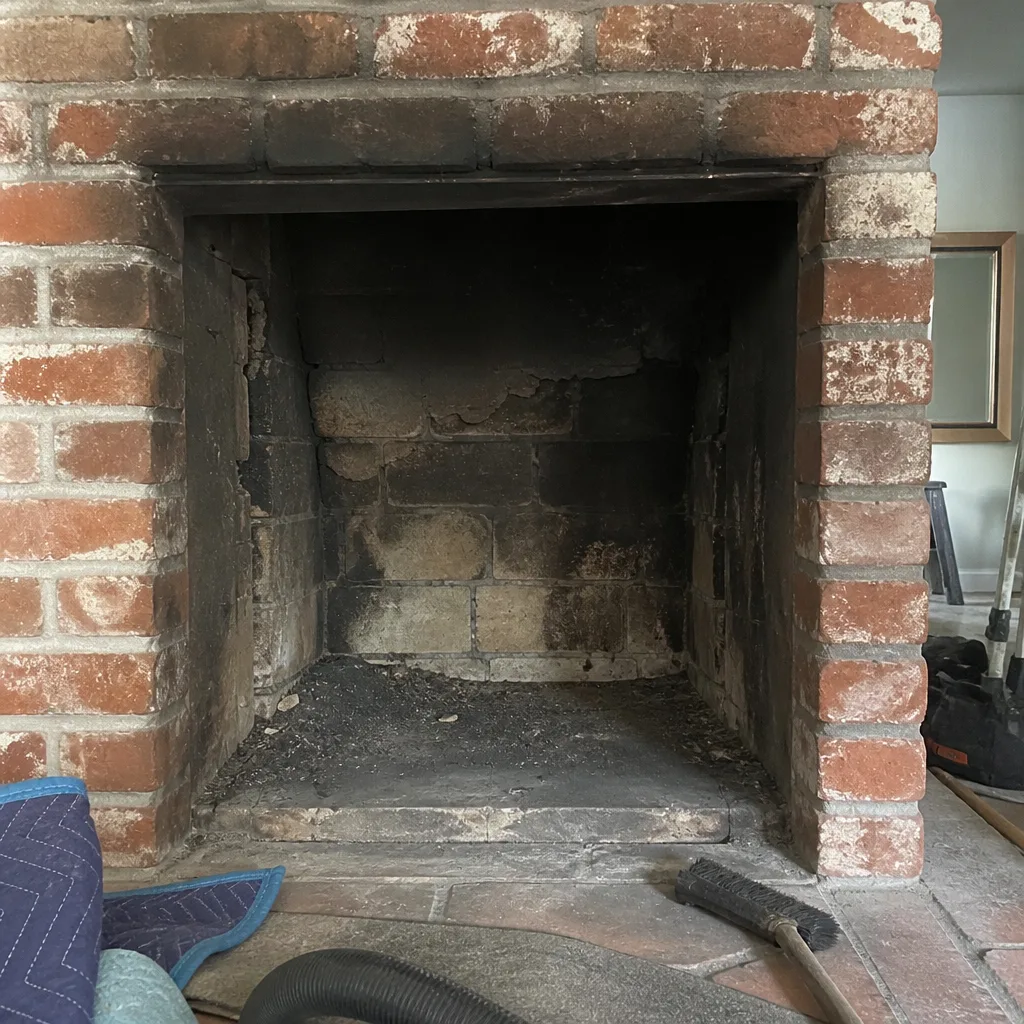 Before
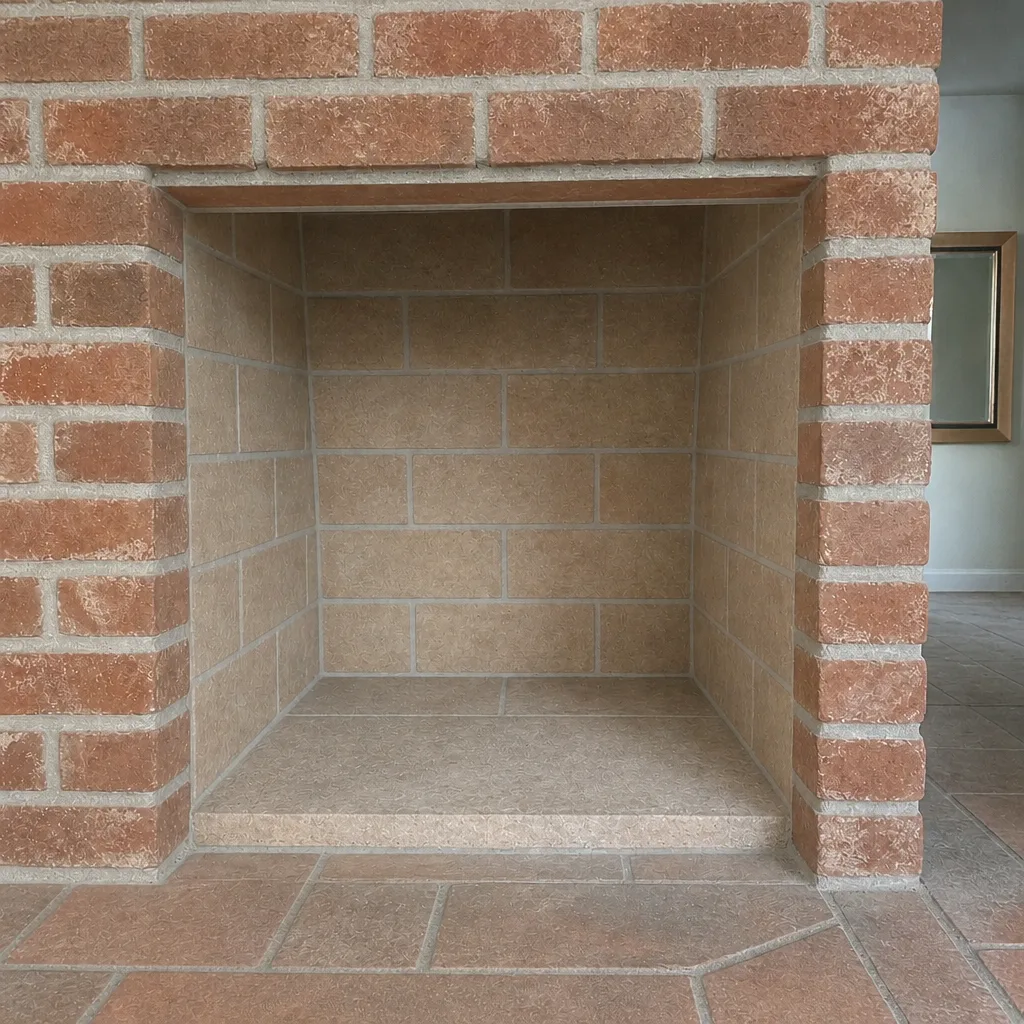 After
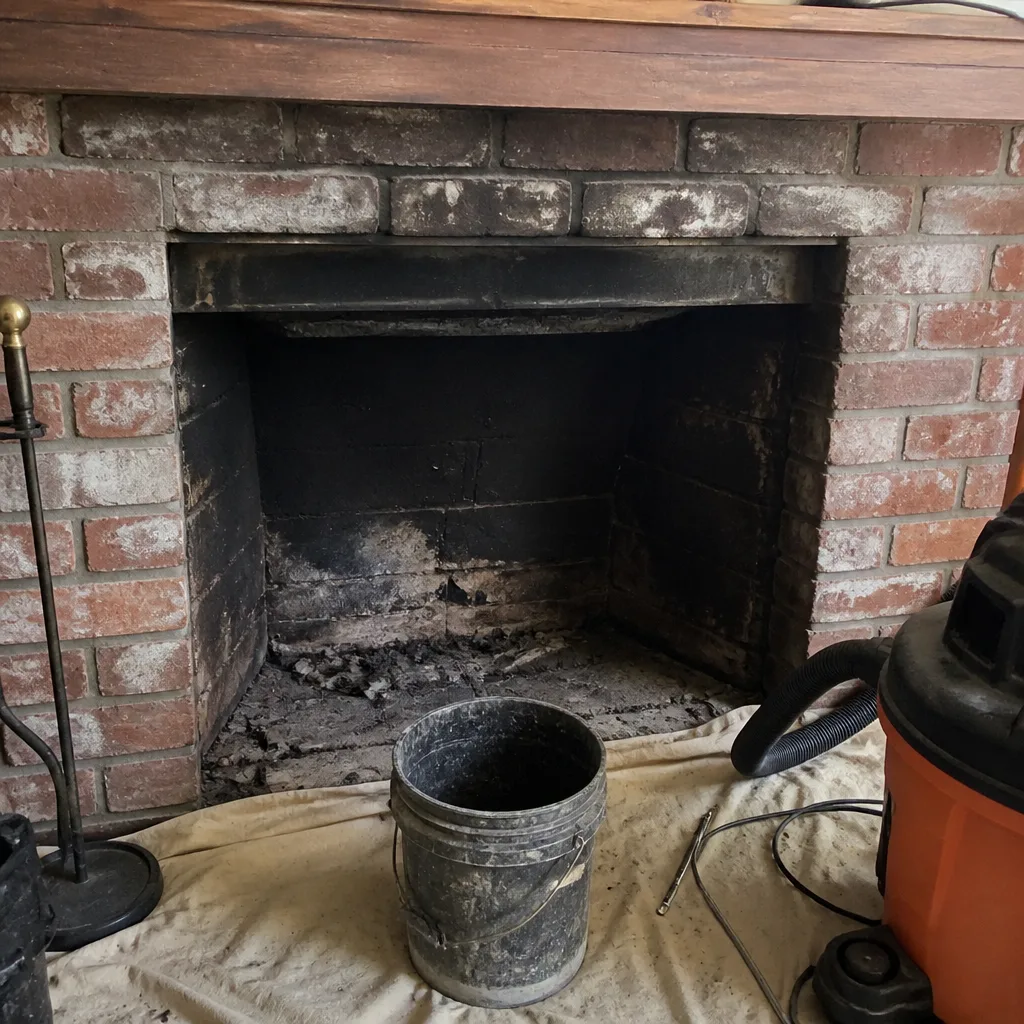 Before
 After
 Before
 After
When to Call a Professional
Call a professional sweep when the flue hasn’t been cleaned in more than two seasons, when the home is pre-1980 and the liner history is unknown, when you’ve noticed water stains, draft problems, or smoke back-drafting, when the flue has an offset that a DIY brush can’t reach, or when you need documented inspection for insurance or a pending sale. Any glazed creosote you can see from the firebox is a further red flag, because the visible glaze usually means more of it out of sight. Chimney Sweep Downtown Anaheim offers free estimates in Downtown Anaheim. Call (855) 658-5274. We answer 24/7. Fast dispatch from 7am to 7pm, Sunday through Friday.
Frequently Asked Questions
You can safely remove light, dry soot from a standard, straight flue if you use a correctly sized poly brush, a HEPA-rated shop vac, and stable roof access. You cannot reliably inspect the liner, smoke chamber, or crown without a camera and training, which is the part that matters more in Downtown Anaheim’s older homes. If your flue is straight, recently inspected, and you burn seasoned wood, a DIY sweep between professional inspections is a reasonable schedule. Any of the conditions in our decision framework pointing the other way means a professional sweep is the honest call.
Most chimneys in Downtown Anaheim need sweeping every year, or every other year for occasional-use fireplaces burning well-seasoned wood. Occasional burning is not automatically lighter on maintenance, because the flue cools between fires and glazed creosote deposits can build faster than with continuous, hot burning. An annual inspection is the way to know what your specific flue needs rather than relying on a general rule. A professional sweep plus inspection establishes your actual interval, and it’s a free estimate to find out.
A sweep removes creosote and soot from the flue; an inspection documents the condition of the liner, smoke chamber, crown, cap, flashing, and firebox. They’re related but not the same service, and a truly useful chimney visit includes both. Our inspection service is available as a standalone visit for pre-purchase evaluations and annual safety checks, which is the right starting point if the flue’s condition is unknown. Inspection comes before the sweep, not as an upsell after it.
If your flue is standard and recently inspected, usually little happens: light soot is light soot. The risk is that a DIY sweep addresses the soot and misses the glazed creosote that causes most chimney fires, or the liner crack that turns a small repair into a large one. The consequences of a missed problem are what make the professional visit worthwhile in older Downtown Anaheim homes, not the brushing itself. A professional inspection closes that gap, and it costs nothing to get an estimate on what your flue needs.
Not always. Damage is often repairable with liner restoration, and only some cases call for full replacement. HeatShield is the restoration system we work with most for damaged or aging liners, and DuraFlex is what we use when a new liner is the appropriate fix. The honest answer depends on what the camera sees, and it should be shown to you rather than described. A professional sweep with a documented inspection gives you the information to decide.
It can, if the fire is traced to a condition a reasonable professional inspection should have caught. Insurers covering a chimney fire often request cleaning and inspection records, and a DIY sweep leaves no record beyond your memory. A professional sweep with a written condition report creates that documentation in advance, so if a fire happens, the claim has a record behind it. If you’re insuring or selling a Downtown Anaheim home, professional documentation is the cleaner path.
The Bottom Line
The DIY versus professional chimney cleaning question has a real answer, and it isn’t “always hire a pro.” A homeowner with the right tools and a recently inspected straight flue can safely handle routine soot removal. The decision changes when the home is older, the flue history is unknown, the flue has an offset, or the flue has gone more than a season without professional eyes on it. In those cases, the professional visit resolves a question the homeowner can’t answer with a brush. In Downtown Anaheim, a yearly sweep plus inspection is the schedule most homes actually need, and the inspection is the part that earns the fee.
Chimney Sweep Downtown Anaheim handles the sweep and anything we find: cap, crown, liner, firebox, and the rest of the system. We use DuraFlex and HeatShield liner systems, Olympia Chimney components, and Gelco products, and we inspect first, recommend second. Call (855) 658-5274 for a free estimate. We answer 24/7. Fast dispatch from 7am to 7pm, Sunday through Friday.
Written by the team at Chimney Sweep Downtown Anaheim.