
Last updated November 24, 2026
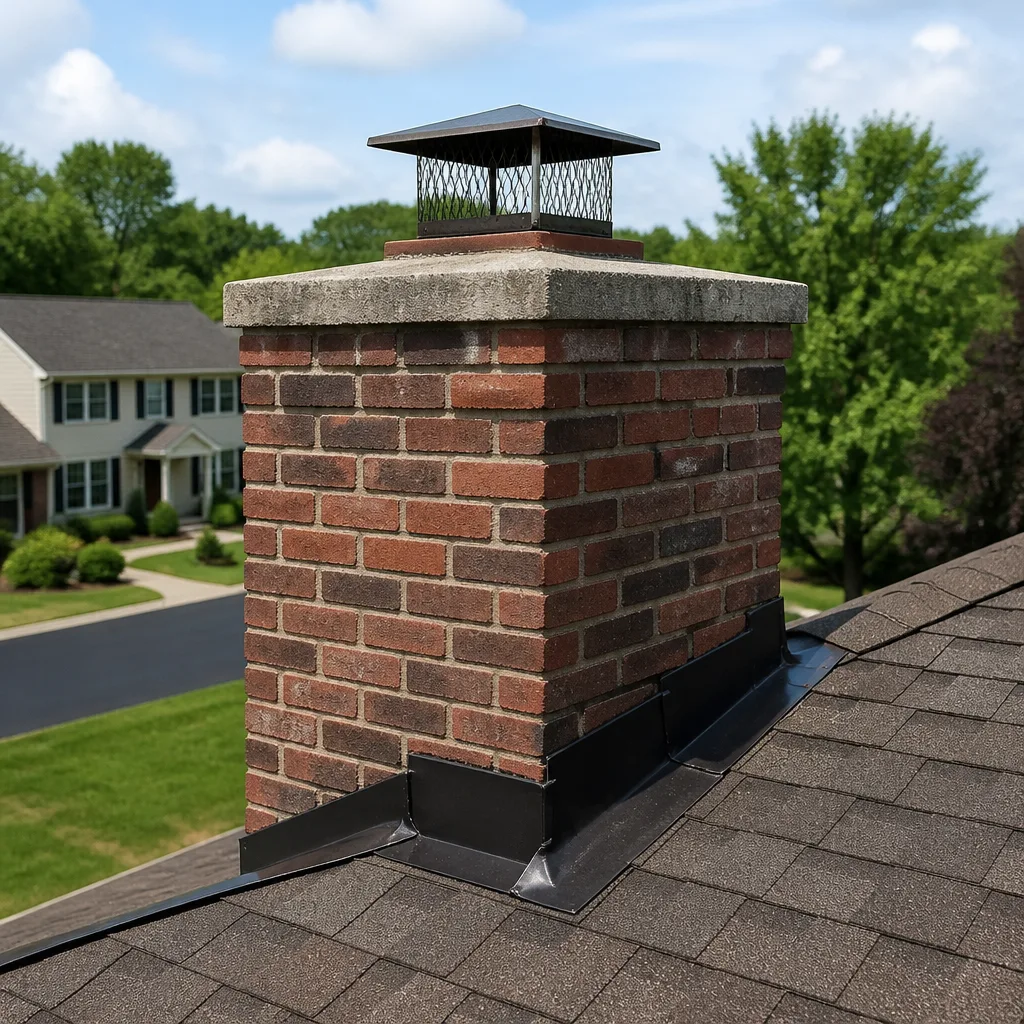 Sweep & inspection
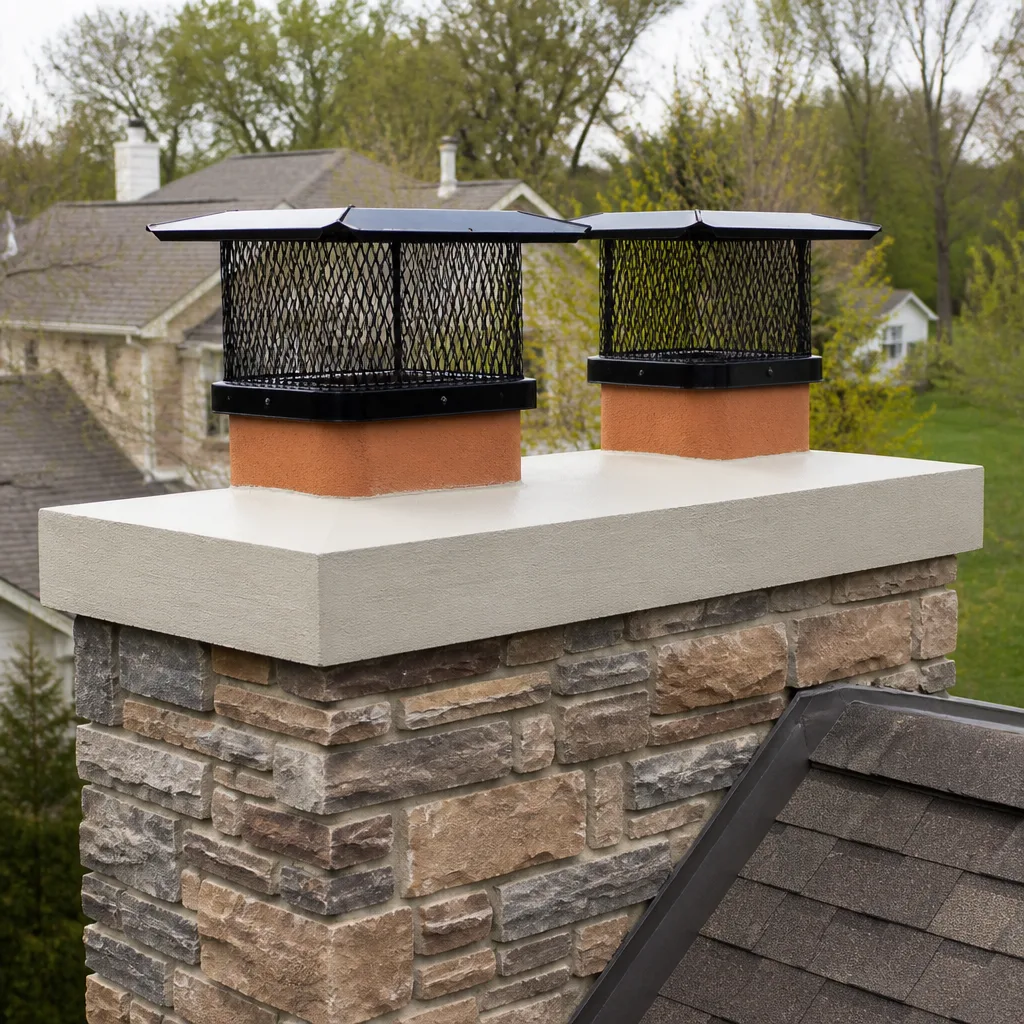 Caps & crowns
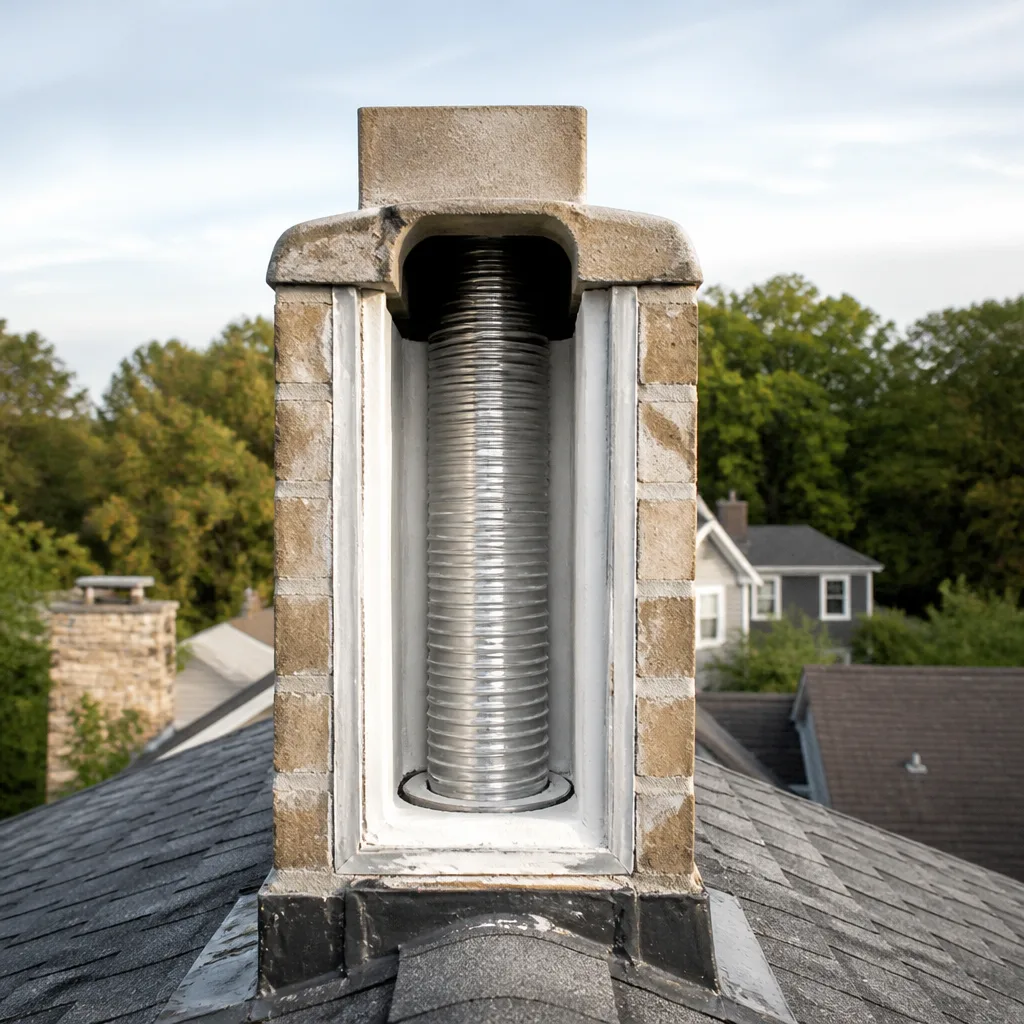 Flue relining
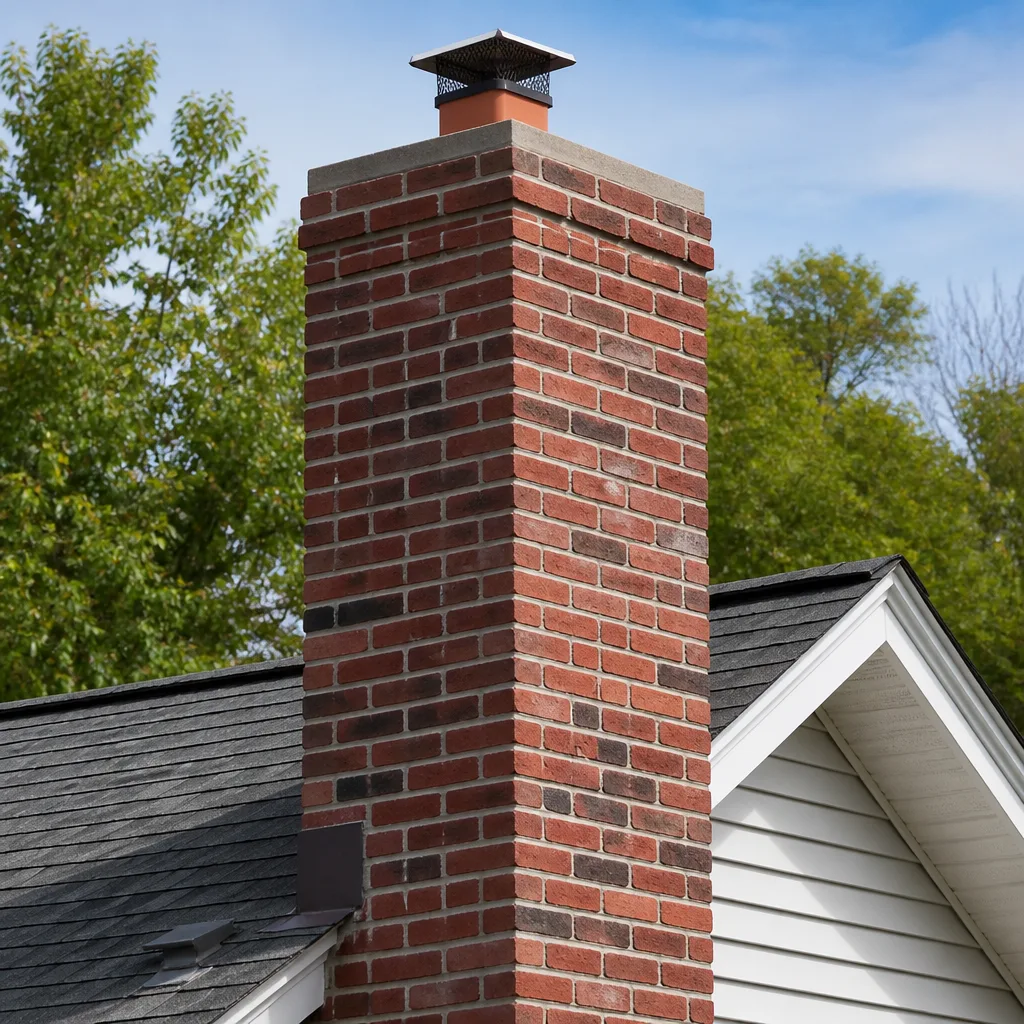 Masonry repair
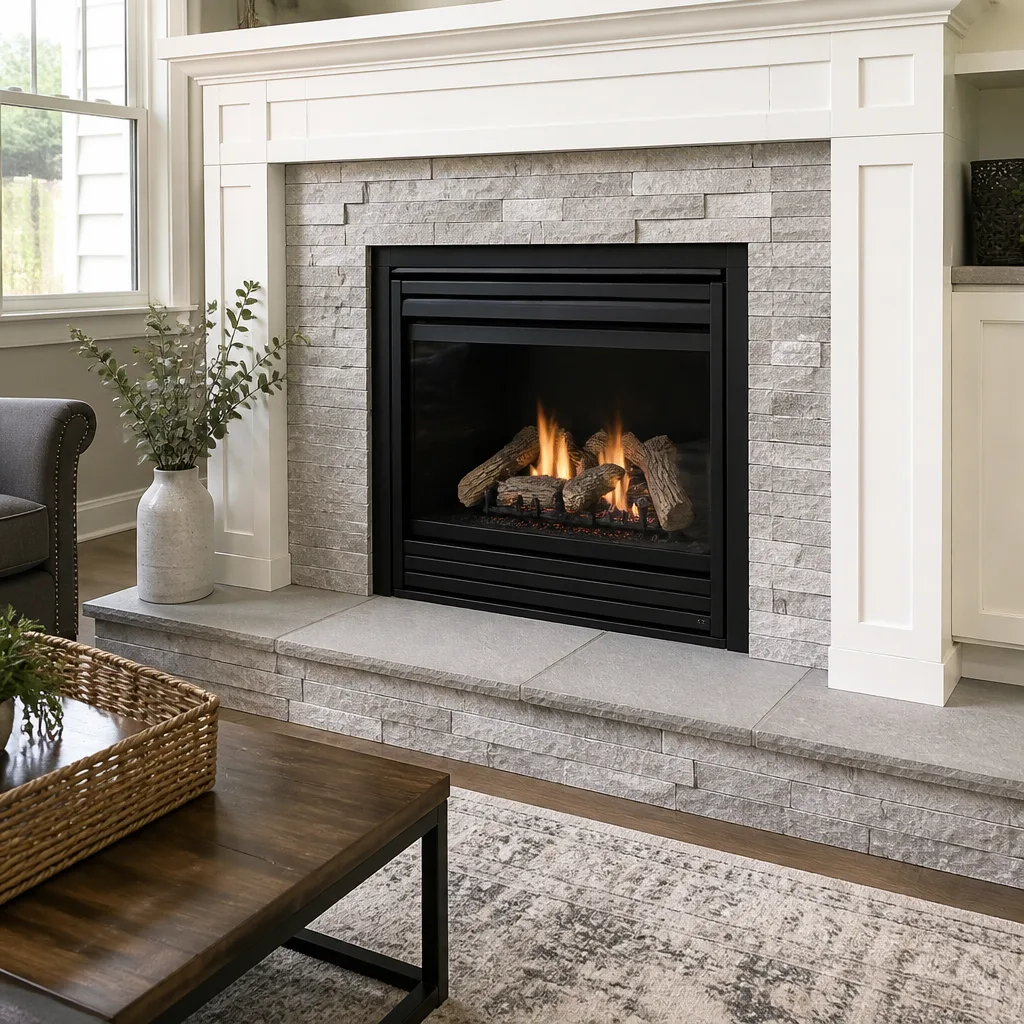 Gas fireplace service
Level 1 sweep and inspection to the NFPA 211 annual standard - flue, crown, cap, and flashing checked and photographed
Chimney sweep logs do not sweep chimneys. They loosen some creosote - which then falls where a brush and vacuum still have to collect it.
Chimney Cleaning Warning Signs: A Downtown Anaheim Homeowner’s Reference Guide
Most chimney warning-sign guides tell you to watch for smoke rolling into the room or a visible crack in the firebox. By the time either of those shows up, the problem has usually been developing for a season or two. The signs that matter most in Downtown Anaheim are quieter: a chalky white stain on the exterior, a faint smoky smell in an unused fireplace on a warm afternoon, a change in the color of a gas flame. Each one maps to a specific part of the system starting to fail. This guide pairs each symptom with the component behind it and tells you how urgent it really is, so you can decide what to watch and what to book.
Quick Answer
The main chimney cleaning warning signs for a Downtown Anaheim homeowner are a smoky odor from an unused fireplace, chalky white staining on exterior masonry, soot flaking onto the firebox floor, a popping or crackling sound after the fire dies down, and a gas fireplace with a lazy yellow flame or repeated pilot outages. Each points to a different component – draft, water intrusion, liner stress, or combustion – and none of them fix themselves with another cleaning. An inspection tells you which one you’re dealing with before it becomes a structural repair.
Styles & brands we work with
- Sweep & inspection
- Caps & crowns
- Flue relining
- Masonry repair
- Gas fireplace service
Table of Contents
- How to Read a Chimney Symptom: The Cause Behind Each Sign
- Why Does Your Unused Fireplace Smell Smoky in Summer?
- What Does a White Stain on a Downtown Anaheim Chimney Mean?
- Where Masonry Failure Hides Under Stucco Cladding
- Normal Fireplace Sounds vs. Liner Stress Cracks
- Gas Fireplace Warning Signs That Differ From Wood-Burning Symptoms
- Urgency Tiers: What Can Wait and What Can’t
- Inspect First, Recommend Second: How the Process Works
How to Read a Chimney Symptom: The Cause Behind Each Sign
A chimney is a system, not a tube. The flue liner, the crown, the cap, the firebox, the damper, and the masonry shell all work together, and a failure in one shows up as a symptom somewhere else. That’s why reading a warning sign correctly matters more than spotting it. The table below pairs the common early signs with the component that usually causes them and how quickly each one needs attention.
- Smoky odor from an unused fireplace – draft reversal, often tied to attic or house pressure – moderate urgency, worth an inspection
- Chalky white staining on exterior masonry – water intrusion through the crown, cap, or mortar joints – moderate to high, because the masonry is already wet
- Crumbling mortar between exterior bricks – failing crown or missing cap letting water in – high, mortar loss weakens the structure
- Soot flakes on the firebox floor or damper – creosote buildup shedding from the flue – schedule a chimney sweep before the next fire
- Popping or crackling after the fire dies – thermal stress on the liner – high, needs a camera inspection
- Yellow or lazy gas flame, soot on firebox glass – incomplete combustion or blocked venting – high, stop using the fireplace until checked
- Pilot light that keeps going out – venting or pressure problem – moderate, book an inspection
Read that list as a map, not a menu. One symptom can point to two causes, and two symptoms can trace back to a single failing part. The only way to separate them is to look inside the flue with a camera and check the exterior at the same time. In our experience across Downtown Anaheim homes, the visible symptom and the real cause are often in different parts of the system.
A clean chimney is a safe chimney, but a sound chimney keeps it that way. Cleaning removes what’s already built up. Only an inspection tells you whether the structure holding that creosote is still intact.
Why Does Your Unused Fireplace Smell Smoky in Summer?
A smoky smell from a fireplace you haven’t lit in months is not just old creosote. It’s usually a draft reversal, where air pressure in the house pushes air down the chimney instead of pulling it up. The smell is creosote residue reacting to humid air and poor airflow, but the underlying issue is pressure, not buildup alone. A cleaning helps. Fixing the draft helps more.
Downtown Anaheim homes sit in a mild, warm climate for most of the year, which means attics and upper floors heat up fast in the afternoon. As warm air rises through the house and vents through the attic, it can create a slight negative pressure in the living space, and the chimney becomes the easiest path for air to move. In summer, with no fire drafting upward, that pressure pushes air the wrong way down the flue. The residue lining the flue gets moist, and you smell it in the room.
Several things make this worse in Downtown Anaheim specifically:
- Tight, well-sealed modern windows and doors, which reduce natural air leakage and increase pressure swings
- Homes with a whole-house fan or a strong kitchen exhaust, which can pull air down the chimney
- Older fireplaces with an undersized or partially blocked flue, which have less draft to begin with
- A missing or wrongly sized chimney cap & crown, which lets downdrafts and weather in
If the smell is faint and only shows up on hot afternoons, it’s usually a manageable draft issue worth checking at your next inspection. If it’s strong, persistent, or comes with any gas appliance in the house behaving oddly, treat it as a priority. Stale air moving the wrong way through a flue is a nuisance. Air moving the wrong way around a gas water heater or furnace vent is a carbon monoxide question, and that’s not something to sit on.
What Does a White Stain on a Downtown Anaheim Chimney Mean?
A chalky white stain on the exterior of a chimney is called efflorescence, and it means water has already gotten into the masonry and is pushing dissolved minerals out through the surface as it dries. It is not cosmetic. By the time you see it, the mortar behind that stain has been wet and cycling through expansion and contraction, and the joints have started to break down.
Here’s the mechanical chain. Water gets in through a failing crown at the top, a cracked mortar joint, or a cap that doesn’t shed water. The masonry absorbs it. As the moisture works its way out, it carries salts to the surface, and those salts crystallize into the white powder you’re seeing. The staining is the visible end of the process, not the beginning. The damage is happening inside the brick and mortar.
Southern California’s mild winters don’t exempt a chimney from this. It isn’t freezing that does the damage. It’s the repeated wet-and-dry cycle. A chimney that soaks up winter rain and then dries out under a warm Anaheim spring and summer goes through dozens of these cycles in a year, and each one widens a mortar joint a little more. Once the joints are open, more water gets in, and the process speeds up.
What to check when you see efflorescence:
- Look at the crown (the concrete top of the chimney) for cracks or a surface that’s pulling away from the flue.
- Check whether a cap covers the flue opening, and whether it’s the right size to shed water away from the masonry.
- Examine the mortar joints between the bricks for crumbling, soft spots, or missing mortar.
- Look at the flashing where the chimney meets the roof, which is a common entry point for water.
Crown and cap work is the first line of defense, and it’s one of the five services we handle directly rather than referring out. When the masonry is already damaged, we look at the flue liner too, because water often gets in at the top and works down behind the liner. HeatShield liner restoration is one option for damaged flues that don’t need full replacement, and we’ll tell you honestly whether that’s the right call or whether the liner is too far gone.
Where Masonry Failure Hides Under Stucco Cladding
Many Downtown Anaheim tract homes have chimneys finished in stucco, and stucco hides more than it shows. A stucco-clad chimney can have failing mortar joints and a compromised crown underneath a surface that looks intact until it doesn’t. The warning signs are different from what you’d look for on exposed brick.
Stucco is a cement-based outer coating. It’s tough, it sheds water reasonably well when it’s intact, and it covers the masonry completely. That last part is the problem. Hairline cracks in the stucco let water in, and that water gets trapped between the stucco and the brick, where it can’t dry out easily. The masonry behind it gets wet and stays wet. From the outside, you see a crack that looks cosmetic. Underneath, the mortar has been softening for a while.
Signs to watch for on a stucco-clad chimney in Downtown Anaheim:
- Hairline cracks in the stucco, especially near the crown, at corners, or where a chimney passes through the roofline
- Stucco that sounds hollow or feels loose when tapped – a sign it has separated from the masonry behind it
- Efflorescence pushing out through the stucco, which means water is already behind the cladding
- Rust streaks or dark staining, which can indicate water tracking down from the crown
- A crown that looks flat or has pulled away, letting water run down behind the stucco instead of off it
Old tract homes often have chimneys that were built quickly with a minimal crown and no cap. Those are the ones where stucco hides the most. If you bought an older Downtown Anaheim home and the chimney was never inspected, a standalone inspection is the honest starting point. It’s a dedicated service, not a checkbox before a cleaning upsell, and it tells you what’s actually under the cladding before you make any decisions.
When the masonry behind the stucco needs repair, the last thing you want is to be handed off to a second contractor for the structure and a third for the flue. We handle the whole chimney, so the diagnosis and the repair come from the same team.
Normal Fireplace Sounds vs. Liner Stress Cracks
A wood fire is not supposed to be quiet. Wood pops and ticks as it burns, and a fireplace will make the usual sounds of settling logs and moving air. The sounds that signal a problem are the ones that come after the fire has died down, when the metal and masonry are cooling and contracting. That’s when thermal stress on the liner shows up as sound.
Here’s what’s normal and what isn’t:
- Normal: the steady crackle of burning wood, a soft whoosh as the draft pulls air up the flue, the occasional tick of hot metal as a firebox heats up.
- Normal: a light metallic ping or tink as the firebox cools right after the flames die.
- Not normal: a sharp popping or crackling that continues for several minutes after the flames are out and the fire is just coals.
- Not normal: a rhythmic ticking that gets louder as the chimney cools.
- Not normal: a rumbling or grinding sound, or a sound that seems to come from the wall around the chimney rather than the firebox.
The popping and cracking is the sound of metal or masonry under thermal expansion it wasn’t designed to handle. A clay tile liner can develop stress cracks as it heats and cools unevenly, and a damaged liner is a fire hazard because flames and hot gases can reach the framing behind it. That’s why the sound matters. It’s the early warning before you’d see anything through the firebox.
What we do about it: a camera inspection looks inside the flue and photographs the liner, so you can see the condition yourself. Every inspection includes a camera view and a photo report, so you’re not taking our word for it. If the liner is cracked, HeatShield restoration or a DuraFlex stainless liner is often the fix, and we’ll explain which one fits your flue and why. Both are professional-grade systems we install directly.
What you should never do is put a fire in a chimney you suspect has liner damage to “see if it gets worse.” That’s a real fire risk. If you hear the cooling-fire popping, schedule an inspection before the next fire.
Gas Fireplace Warning Signs That Differ From Wood-Burning Symptoms
A gas fireplace fails in completely different ways than a wood-burning one, and the warning signs map to the combustion and venting system rather than creosote and masonry. The three that matter most are a yellow or lazy flame, repeated pilot outages, and soot on the firebox glass. Each points to a specific mechanical problem.
Yellow or lazy flame. A healthy gas flame is mostly blue with a small yellow tip. A flame that’s consistently yellow, orange, or dancing lazily is a sign of incomplete combustion. That usually comes down to one of three things: a burner that needs cleaning or adjustment, a venting problem that’s preventing the exhaust from leaving, or a gas supply issue. Incomplete combustion produces carbon monoxide, and carbon monoxide is a genuine safety concern, not a cosmetic one. If your flame is yellow and the firebox glass is fogging, stop using the fireplace and get it checked.
Pilot outages. A pilot that keeps going out, especially in a Downtown Anaheim home with a gas fireplace, often traces to pressure or venting. A pilot needs a stable gas supply and a stable draft. If the vent is partially blocked or the pressure in the house swings with the heating and cooling cycle, the pilot can drop out. Repeated outages are a sign the system is compensating for something, and that something needs to be diagnosed rather than reset.
Soot on the firebox glass. Soot builds up when combustion is incomplete and exhaust isn’t leaving cleanly. A little haze is normal over time. A thick black deposit, especially one that appears quickly after a cleaning, points to a venting or combustion problem. Don’t clean it off and move on. Find out why it’s there.
Gas fireplaces don’t accumulate creosote the way wood-burning ones do, and there’s often no flue liner to inspect the same way. What they need instead is someone who understands the combustion and venting side, not just a sweep. If the firebox or burner needs fireplace repair, that’s part of what we do, and we handle the repair alongside the inspection rather than sending you to a second technician.
Urgency Tiers: What Can Wait and What Can’t
Not every warning sign is an emergency, and treating them all as one is how homeowners end up spending money they don’t need to spend. Sorting the signs into tiers helps you decide what to book now and what to watch.
- Tier 1 – Stop using the fireplace and call. Yellow flame with soot on the glass, a strong or persistent smoky smell with gas appliances in the home, visible smoke backing into the room, or a popping sound that continues well after the fire dies. These point to fire or carbon monoxide risk.
- Tier 2 – Book an inspection soon. Efflorescence on the exterior, crumbling mortar visible at the crown or joints, a crown that’s cracked or pulled away, or a pilot that keeps going out. These are active problems that will get worse with each rainy season.
- Tier 3 – Schedule at your next routine cleaning. Soot flakes on the firebox floor, a faint summer smell from an unused fireplace, or a loose damper. These are maintenance issues worth handling, but they aren’t urgent unless they come with something from a higher tier.
The trap to avoid is being told you need thousands of dollars of liner or masonry work you can’t verify. That’s the real hesitation behind most homeowners’ delay, and it’s fair. The answer is straightforward: nothing gets recommended without camera evidence you can see for yourself. If the flue is sound and just needs a sweep, we say so. If work can safely wait until after the burning season, we say that too.
The other side of it: a sign in Tier 2 that gets postponed across a couple of rainy seasons usually ends up moving to a bigger repair. Water intrusion doesn’t pause. The masonry keeps absorbing, the joints keep opening, and what could have been crown and cap work turns into more. Getting ahead of it is almost always the less expensive path.
Inspect First, Recommend Second: How the Process Works
The order of operations matters more than the specific service. The correct sequence is inspection, then cleaning, then repair, and never the other way around. Cleaning first and inspecting after means you’ve cleaned something that might have needed repair, and you’re making decisions without the information you needed at the start.
Here’s how a proper inspection and cleaning sequence works for a Downtown Anaheim home:
- Standalone inspection. We look at the firebox, the damper, the flue, the crown, the cap, the flashing, and the exterior masonry. A camera goes up the flue, and you get a photo report of what’s inside.
- Diagnosis. Every finding is tied to a specific component. This is the part where the symptom-to-cause mapping from earlier in this guide gets applied to your chimney, not to a generic checklist.
- Cleaning, where it’s safe to clean. If the flue is structurally sound, we sweep it and remove the creosote. If the liner is compromised, we don’t sweep past a problem, we explain what’s there.
- Repair, if needed and when it’s ready. Cap and crown work, liner restoration, liner replacement with DuraFlex, or firebox repair. Same team, same visit or the next scheduled one.
Our technicians have up to 10 years of experience, and the philosophy behind the sequence is simple: we inspect first and recommend second. A standalone inspection is a service our team offers on its own because that’s the honest starting point for a pre-purchase home evaluation or an annual safety check. You don’t get handed a quote for structural work before anyone has looked inside the flue with a camera.
When repair is genuinely needed, we handle the whole system. We work with professional-grade brands including HeatShield for liner restoration, DuraFlex for stainless liner systems, Gelco and Copperfield for cap and crown components, and Olympia Chimney and Famco for related parts. The point of naming them is that these are the same systems a dedicated chimney contractor carries, not what a general sweep keeps in the background. When the diagnosis says the liner needs work, the same team that swept it can install it, which is the difference between a chimney specialist and a one-service cleaning crew.
If you want the full picture of what we do, start with the Chimney Sweep Downtown Anaheim overview and read the five service categories: sweep, inspection, cap and crown, fireplace repair, and chimney repair. Those five cover the whole lifecycle of the system, and they’re all work we do directly rather than refer out.
Common Mistakes to Avoid
- Treating efflorescence as a cleaning problem. White staining on the exterior is a water intrusion signal, not dirt. Applying a cleaner or sealer without fixing the crown or cap just locks the moisture in and makes it worse.
- Cleaning first and inspecting later. If the liner is damaged, a sweep can push debris past a crack or cause further stress. Inspect first, clean second, and let the camera findings guide what happens next.
- Ignoring the summer smell. A smoky odor from an unused fireplace in a Downtown Anaheim home is often a draft or pressure issue. It’s not just old creosote, and it’s worth an inspection before you assume a cleaning will fix it.
- Resetting a pilot light over and over. A gas fireplace pilot that keeps going out is a symptom, not a nuisance. Repeated resets without a diagnosis defer the venting or combustion issue causing it.
- Being quoted structural work you can’t verify. If a recommendation for liner or masonry work comes without a camera view or photo report you can look at, push back. Nothing should be recommended without evidence you can see.
- Putting off Tier 2 exterior signs across rainy seasons. A hairline crown crack or a soft mortar joint grows with each wet-and-dry cycle. What starts as cap and crown work can become liner and masonry repair if the water intrusion keeps going.
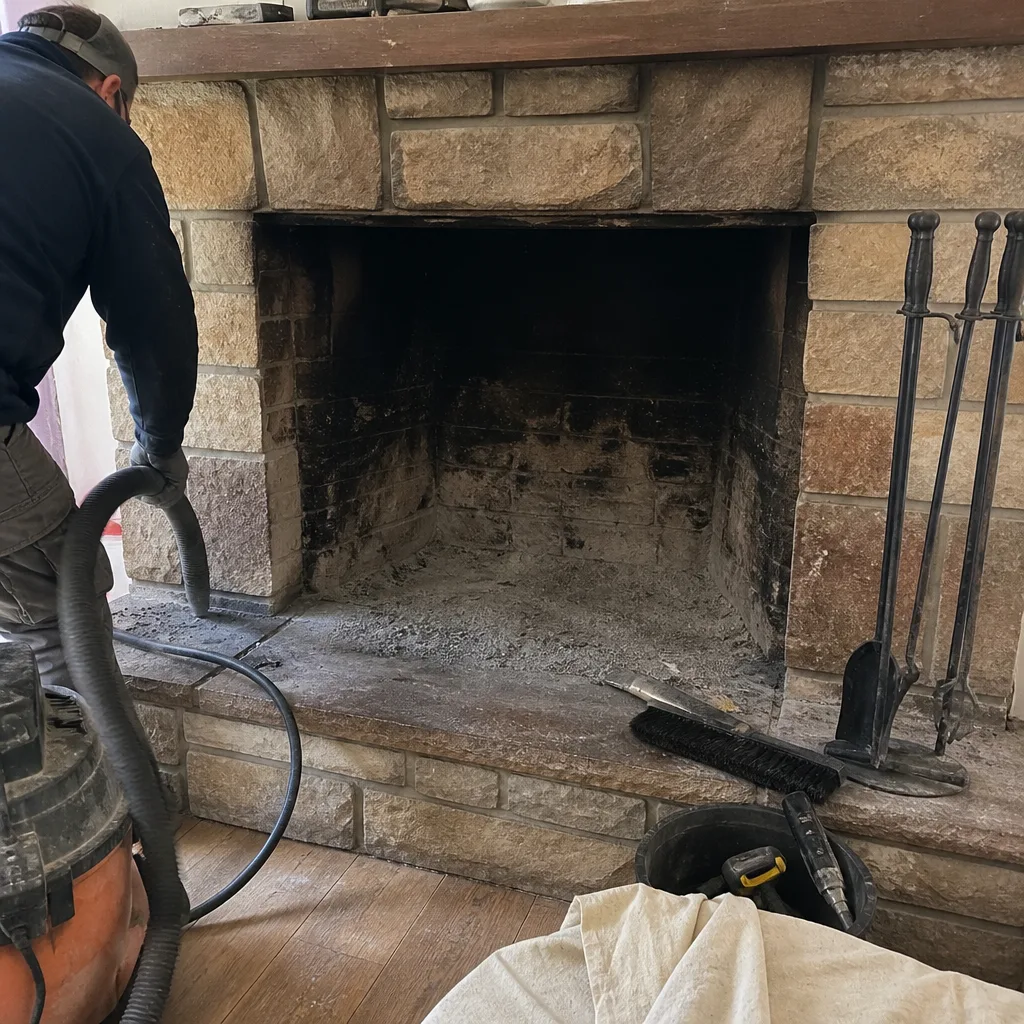
See the difference
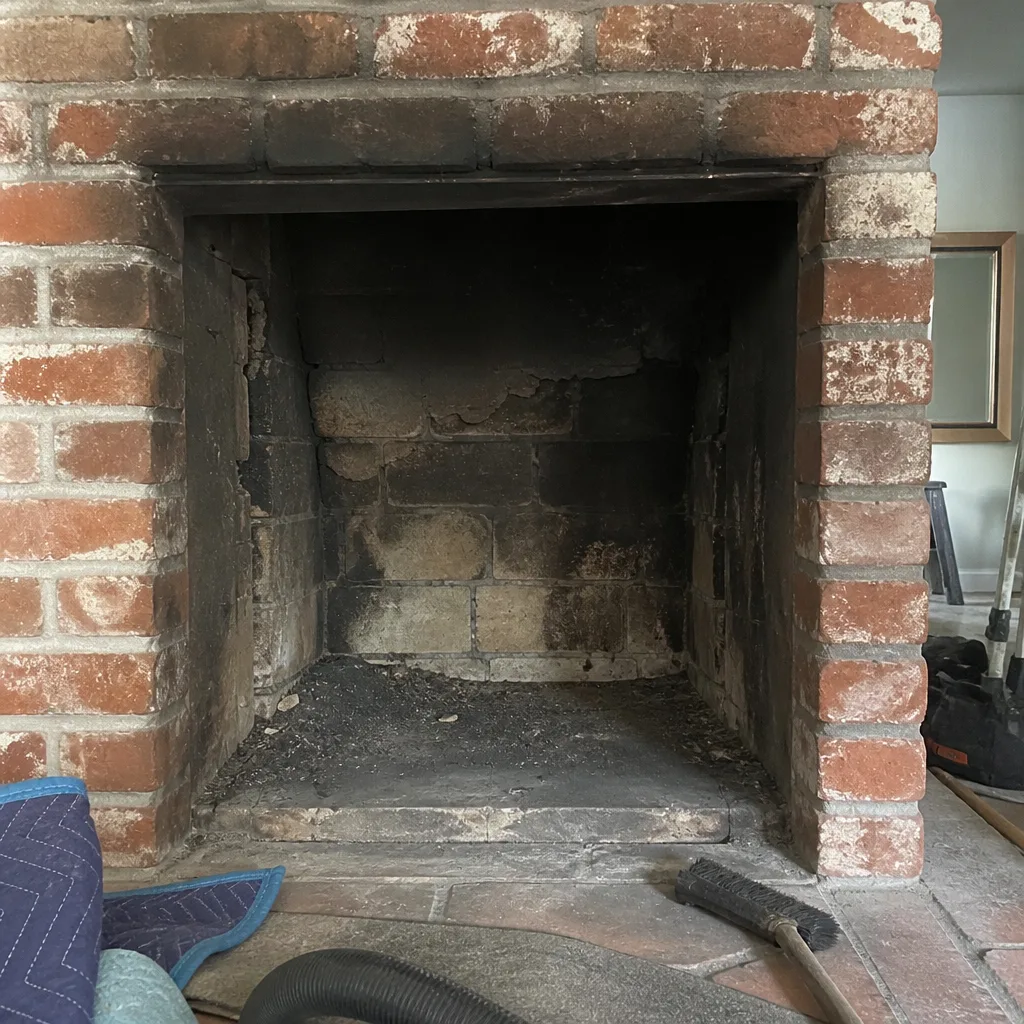 Before
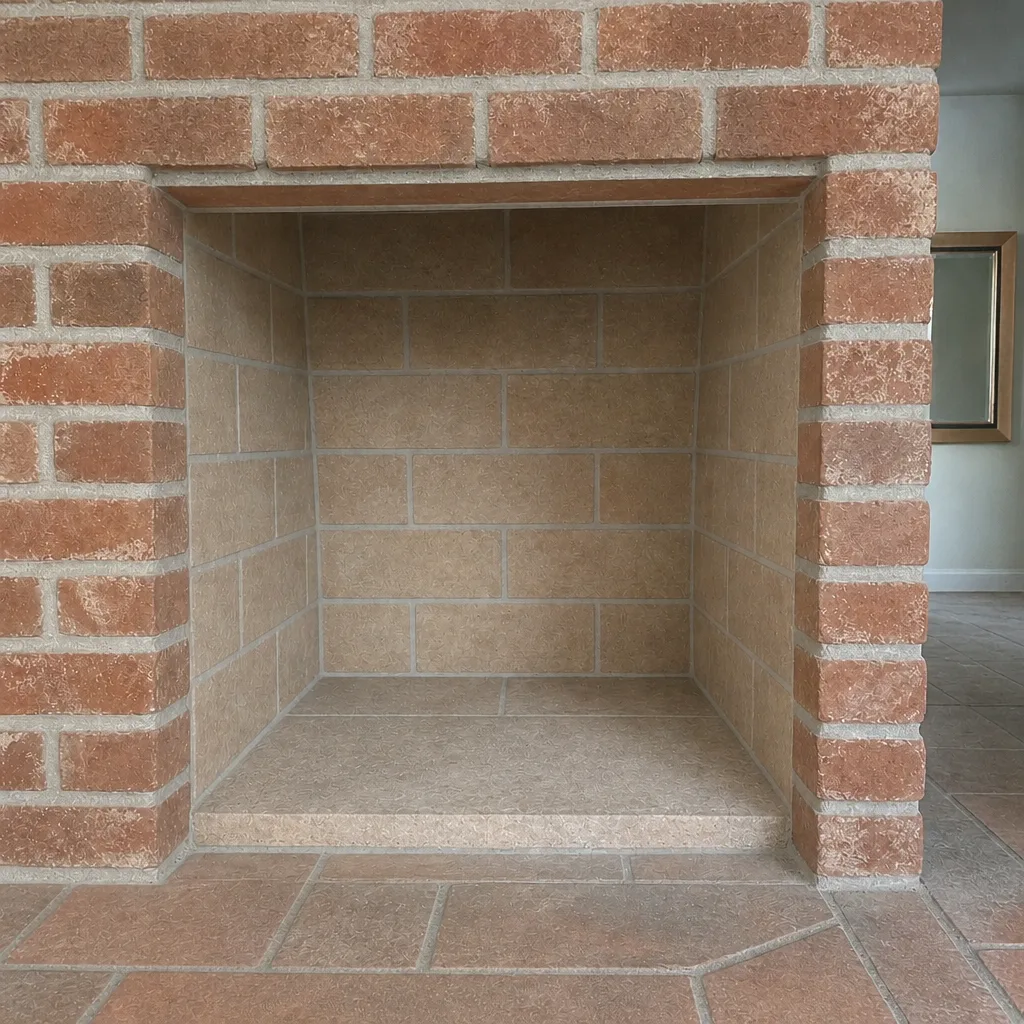 After
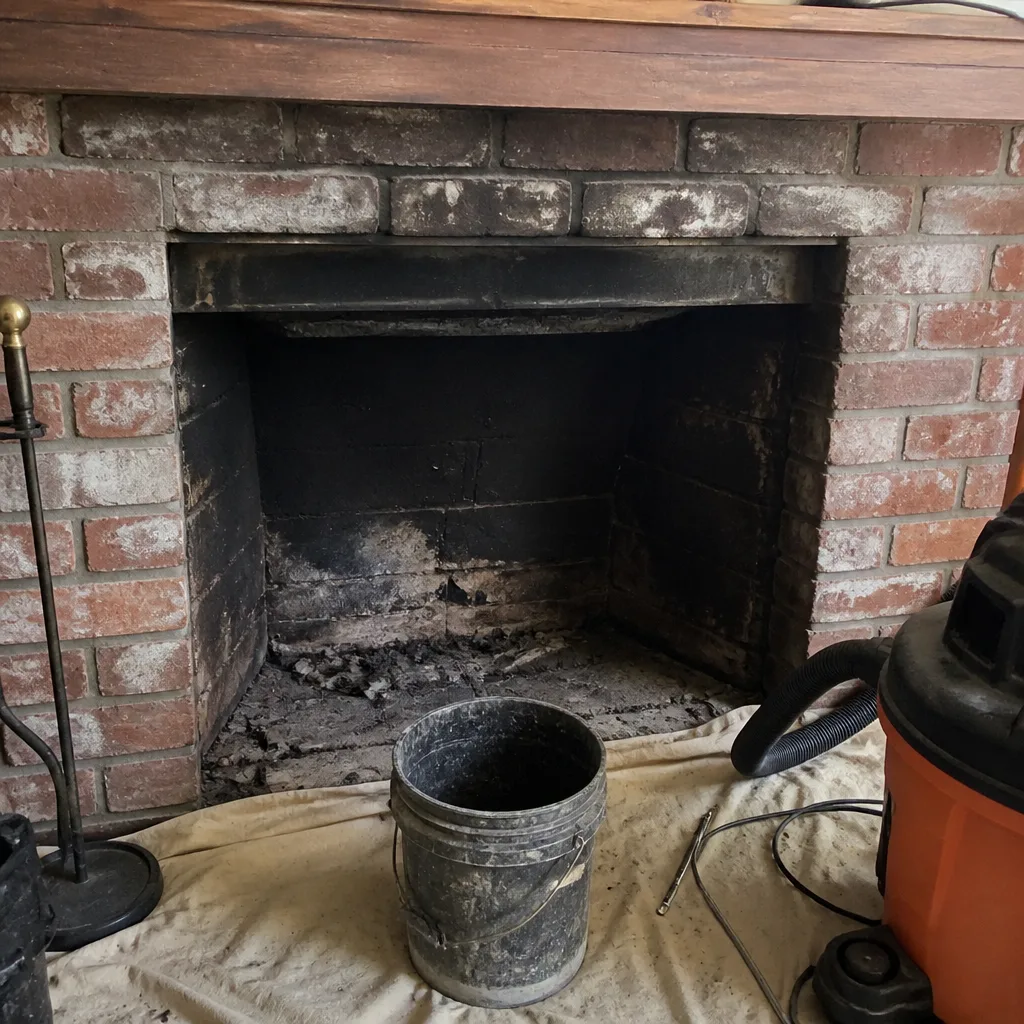 Before
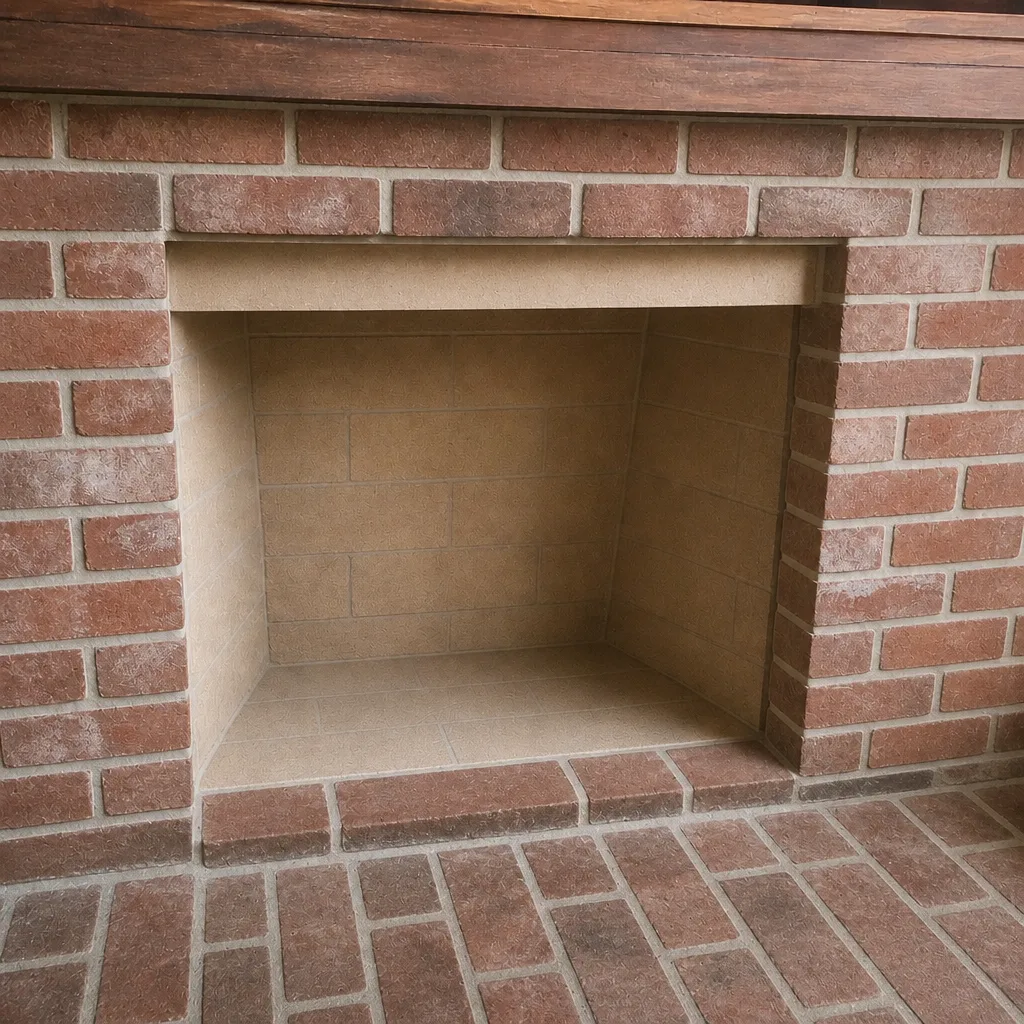 After
 Before
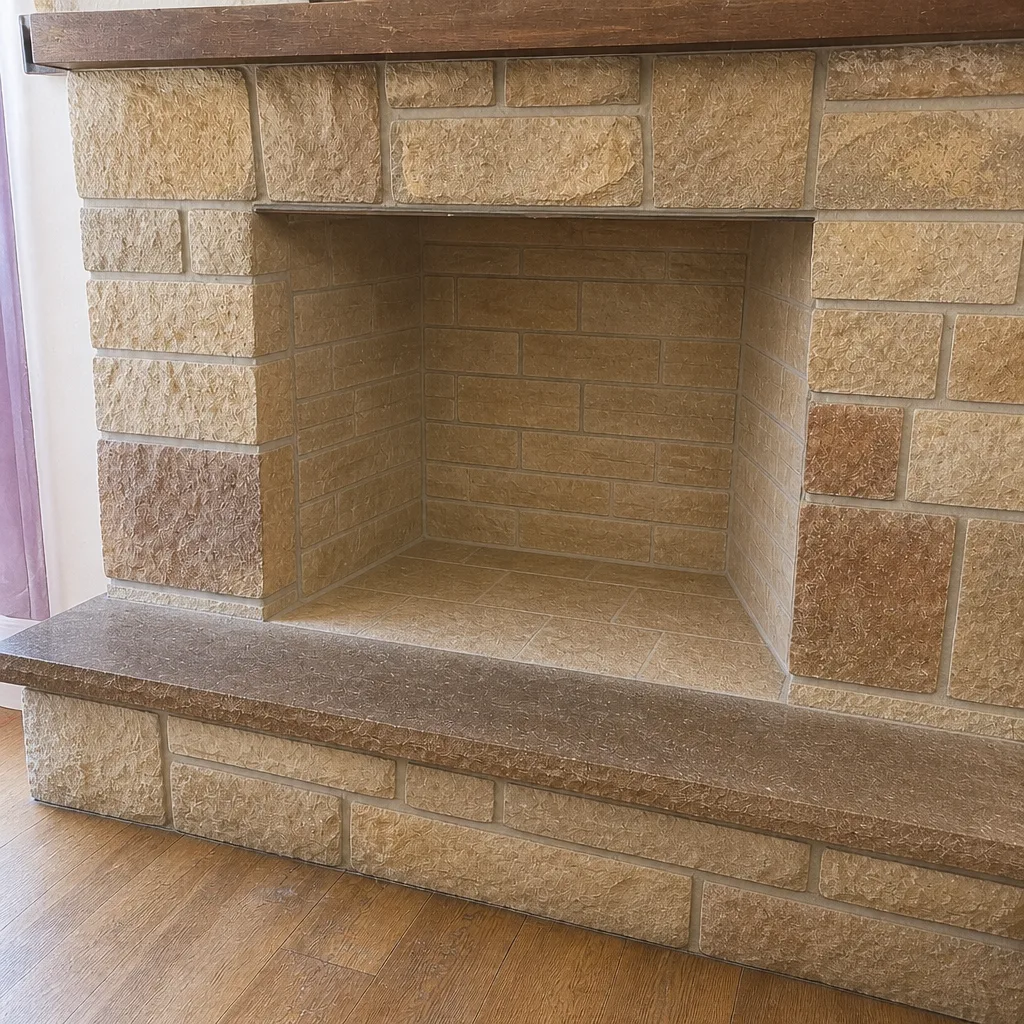 After
When to Call a Professional
Call a professional if you see yellow flame or soot on the firebox glass of a gas fireplace, if you smell smoke in a room with the chimney unused, or if smoke rolls back into the room when the fire is lit. Call if you hear popping or cracking after the fire dies down, if there’s efflorescence on the exterior, if the crown is cracked, or if the mortar at the top of the chimney is soft or missing. Call if your Downtown Anaheim home is older and the chimney has never been inspected, or before you close on a home purchase where the chimney’s condition is unknown. Chimney Sweep Downtown Anaheim offers free estimates in Downtown Anaheim. Call (855) 658-5274. We answer 24/7. Fast dispatch from 7am to 7pm, Sunday through Friday.
Frequently Asked Questions
The most common first sign we hear about is a faint smoky smell from an unused fireplace, especially in the summer. It’s usually draft reversal tied to attic or house pressure rather than creosote alone, and it’s worth an inspection before you assume a cleaning will resolve it. Call (855) 658-5274 for an exact quote on an inspection – estimates are free.
Yes, a chalky white stain on exterior masonry is efflorescence, and it means water has already penetrated the masonry and is leaching minerals outward. That’s a sign of active water intrusion, not surface dirt, and it usually points to a failing crown, cap, or mortar joint. Book an inspection so you can see the source yourself before the damage spreads.
Normal fireplace sounds happen while the fire is burning – steady crackle, soft draft whoosh, occasional ticks. A sharp popping or crackling that continues for several minutes after the flames are out and the fire is cooling is the sound of thermal stress on the liner, and it deserves a camera inspection. Call us and we’ll look inside the flue and show you what’s there.
A consistently yellow or lazy flame in a gas fireplace is a sign of incomplete combustion, which can come from a dirty burner, a venting problem, or a gas supply issue. Incomplete combustion produces carbon monoxide, so stop using the fireplace and get it checked. Call (855) 658-5274 to book an inspection – estimates are free.
The standard is an annual inspection, and more often if you burn heavily or notice any of the signs covered in this guide. Anaheim’s wet winters and warm springs mean water intrusion pathways get tested every year, so annual checks catch crown and mortar problems early. Call us to schedule an inspection and a sweep if the flue is sound.
You can, but a standalone chimney inspection before closing is the honest way to know what you’re buying. Stucco hides mortar failure and water intrusion, and a pre-purchase inspection with a camera and photo report tells you whether the chimney is in good shape or needs work you should factor into the deal. Call (855) 658-5274 – estimates are free.
The Bottom Line
The warning signs that matter most in Downtown Anaheim are the quiet ones: a smoky smell in summer that’s really a draft problem, a white stain that’s really water intrusion, a popping sound after the fire dies that’s really liner stress, and a gas flame that’s the wrong color because combustion is incomplete. Each sign maps to a specific component, and each one gets easier and cheaper to fix the earlier it’s caught. Inspect first, clean second, repair only when the evidence you can see says so. Our technicians have up to 10 years of experience with the entire chimney system – cap, crown, liner, firebox, flue – and we handle the sweep and anything we find. Call (855) 658-5274 for a free estimate. We answer 24/7. Fast dispatch from 7am to 7pm, Sunday through Friday.
Written by the team at Chimney Sweep Downtown Anaheim.