
Last updated November 24, 2026
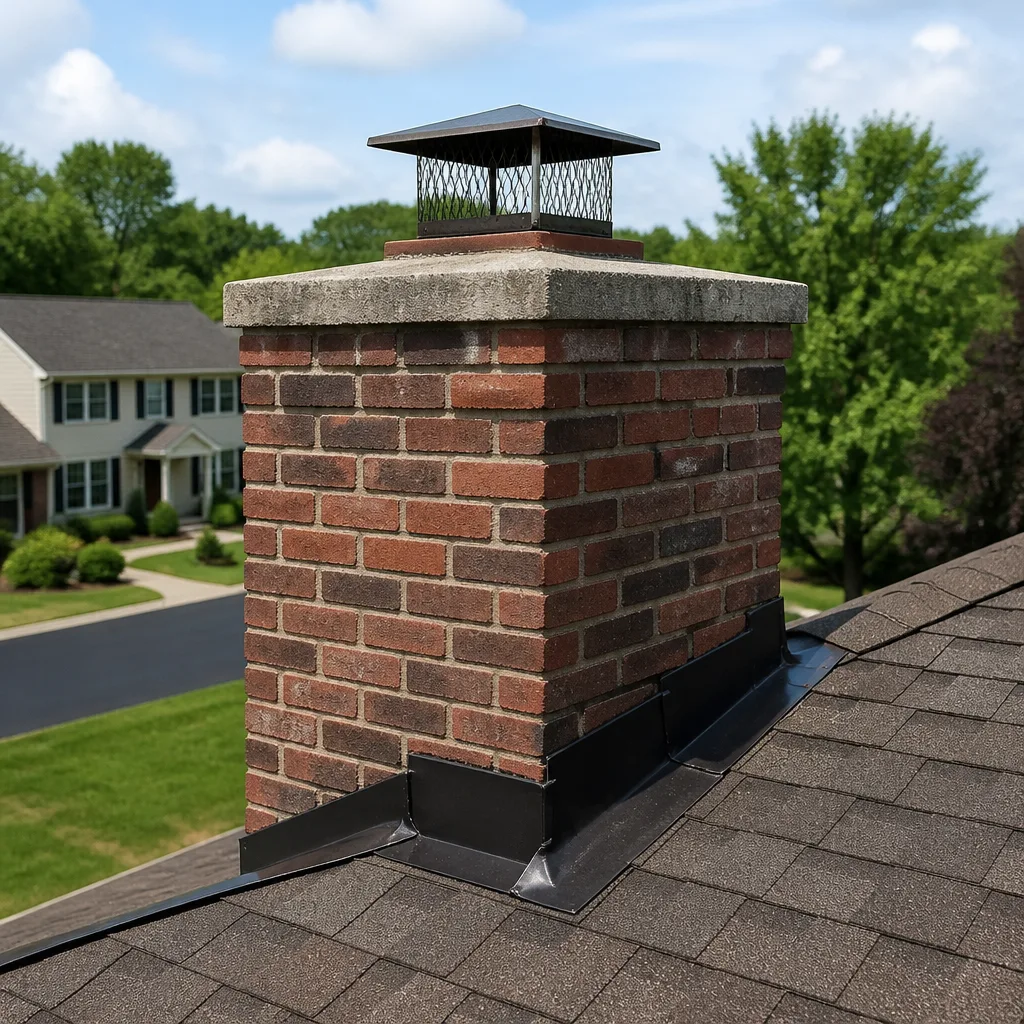 Sweep & inspection
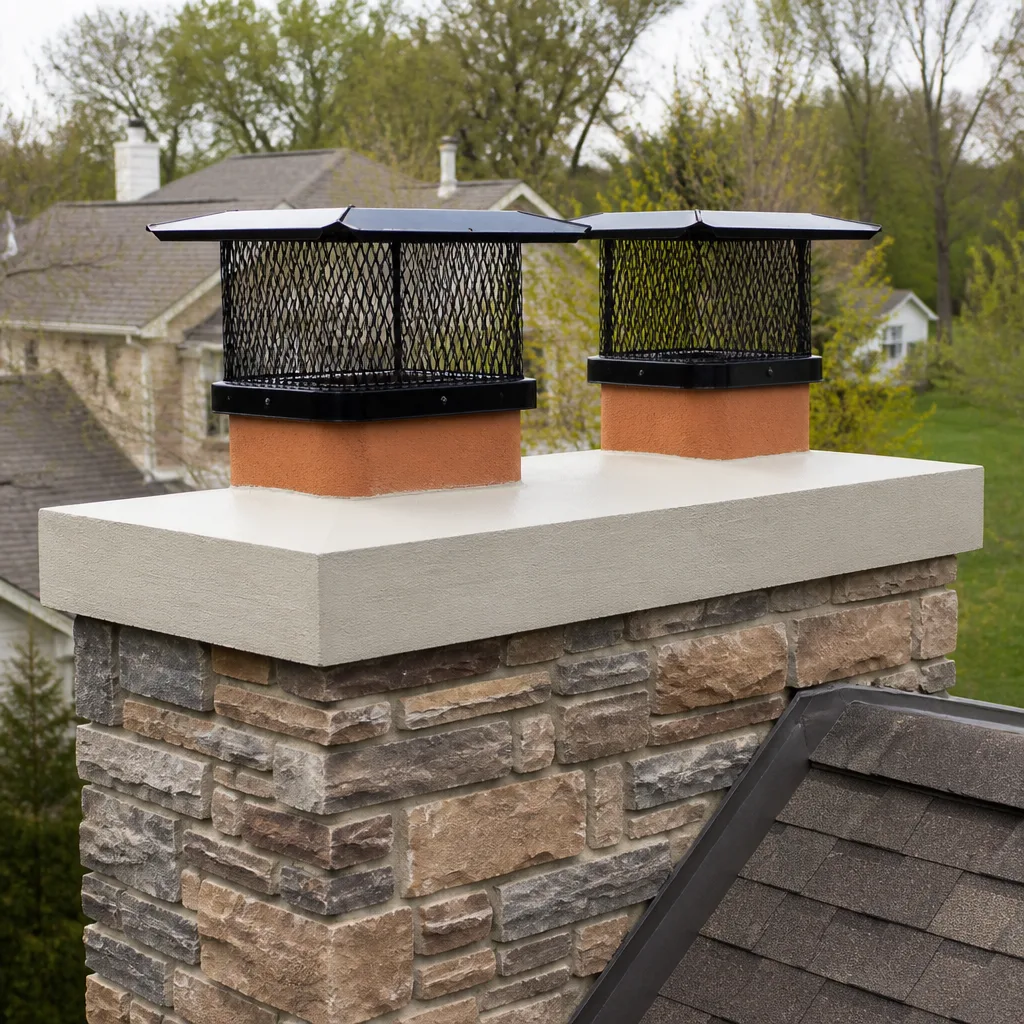 Caps & crowns
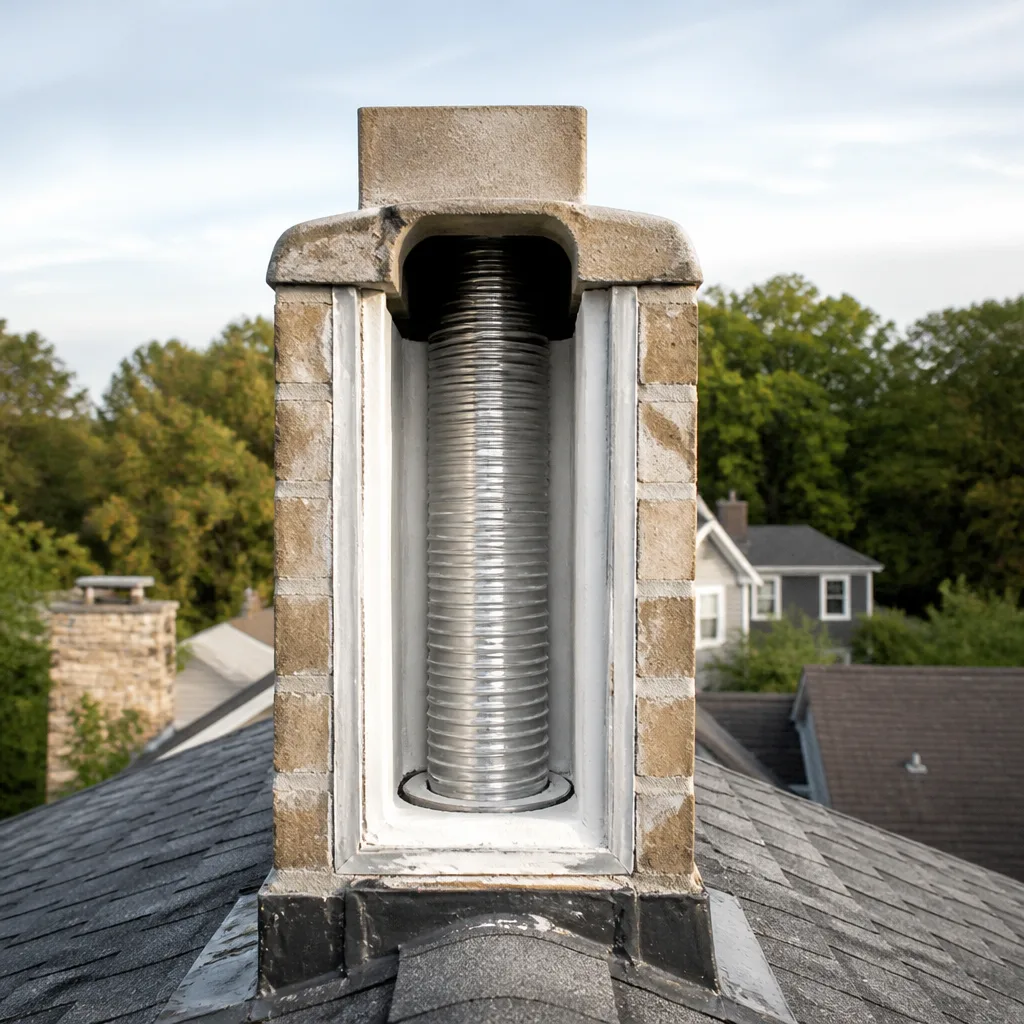 Flue relining
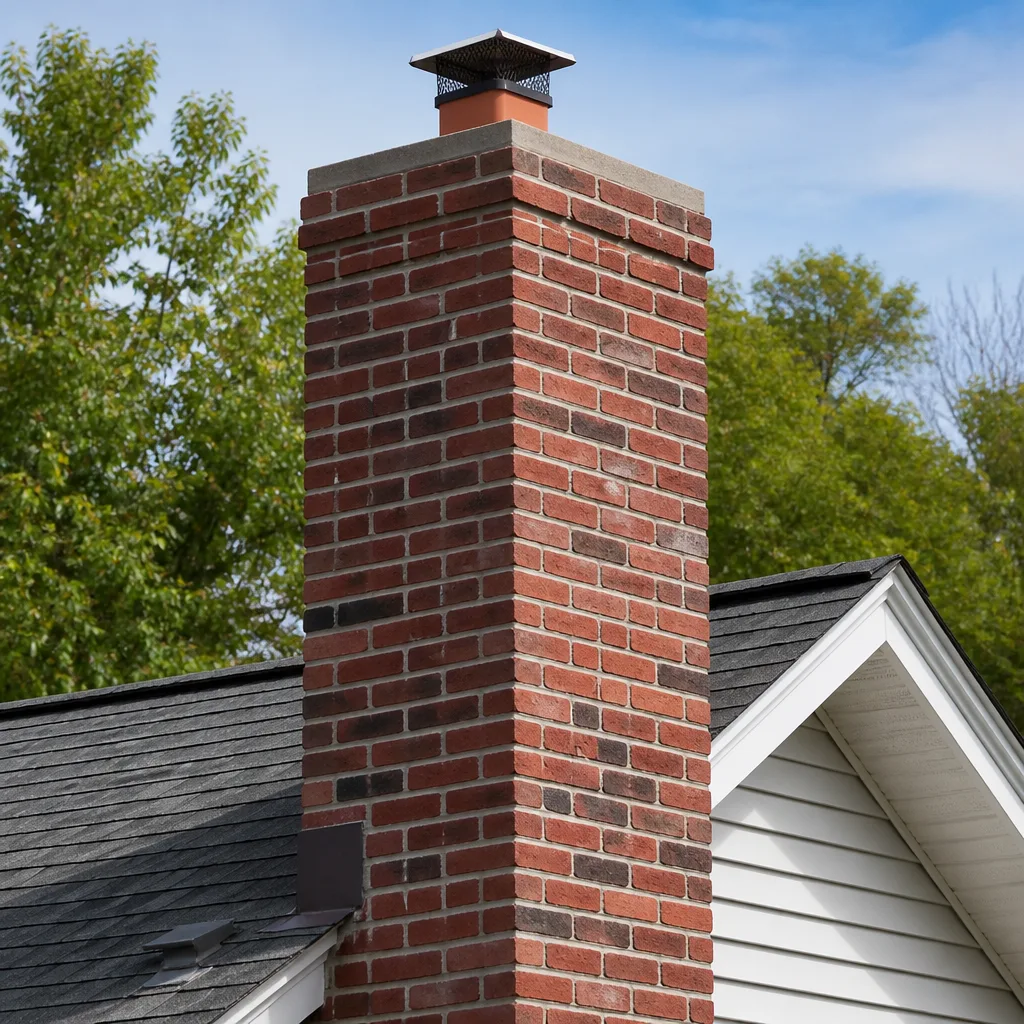 Masonry repair
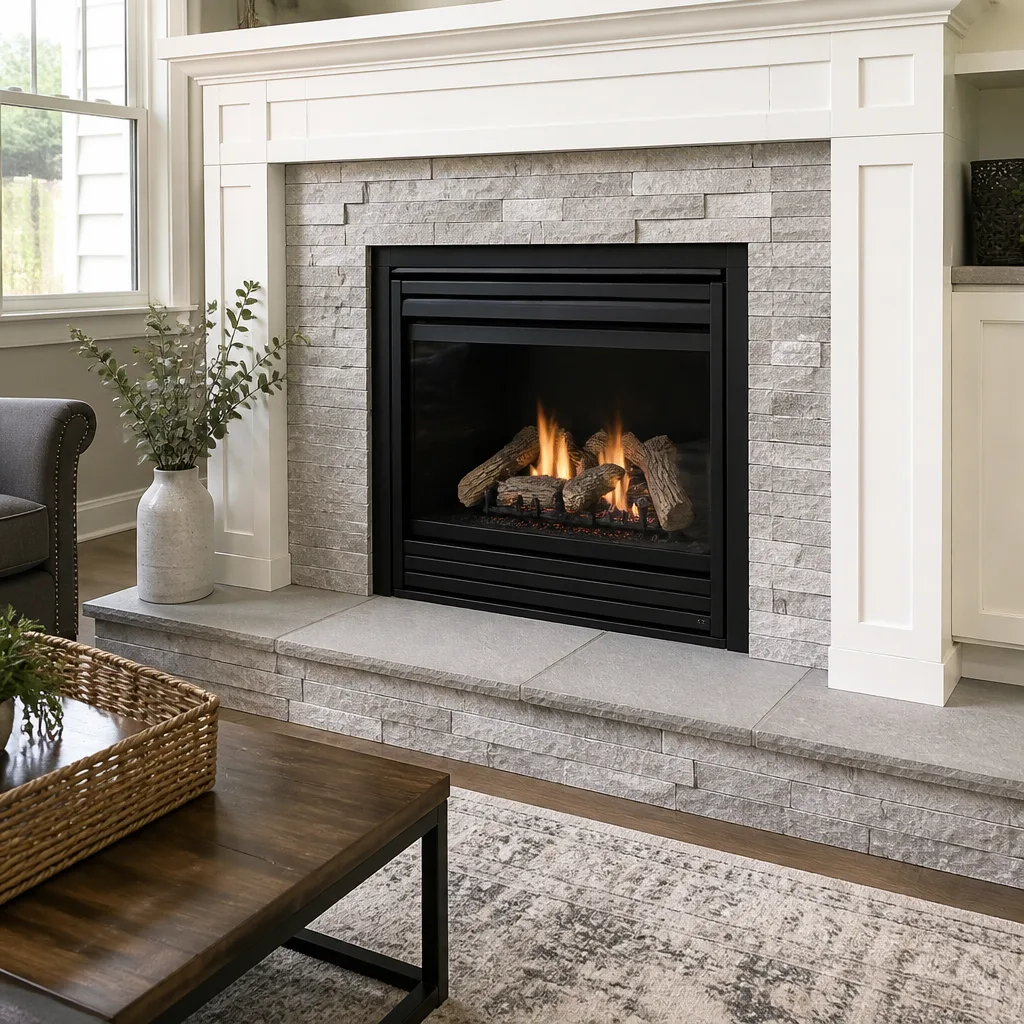 Gas fireplace service
Level 1 sweep and inspection to the NFPA 211 annual standard - flue, crown, cap, and flashing checked and photographed
Chimney sweep logs do not sweep chimneys. They loosen some creosote - which then falls where a brush and vacuum still have to collect it.
Chimney Sweep Maintenance Checklist for Downtown Anaheim Homeowners
If your checklist still says “check for birds’ nests in spring,” it was written for somewhere else. In Downtown Anaheim, the chimney failure sequence usually starts at the crown and works down, and most homeowners don’t see it until water stains appear on the firebox back wall. That’s backwards from how most generic maintenance guides frame the problem. This guide walks through a component-by-component checklist built for the actual housing stock here: mid-century tract masonry, gas log conversions that changed the inspection criteria, and Santa Ana wind events that pressure-test every cap and chase cover each fall. You’ll learn what to inspect, what to photograph, and what needs a camera before anyone touches a mortar joint.
Quick Answer
A proper chimney maintenance checklist in Downtown Anaheim covers seven components in order: cap, crown, flashing, liner, smoke chamber, firebox, and damper. Wood-burning and gas appliance chimneys need separate checklist tracks because gas systems produce corrosive condensate instead of creosote and require carbon monoxide inspection. Full inspection with a camera is annual; self-audits for visible wear can be done seasonally from the ground.
Styles & brands we work with
- Sweep & inspection
- Caps & crowns
- Flue relining
- Masonry repair
- Gas fireplace service
Table of Contents
- The Component-by-Component Checklist
- Wood-Burning vs Gas Appliance: Two Separate Checklist Tracks
- Santa Ana Wind Season Prep: What to Inspect Before October
- What You Can Self-Audit vs What Requires a Camera or Mortar Probe
- How to Document Chimney Condition Year Over Year
- Aging Tract-Home Masonry: What 1950s-70s Construction Means for Your Chimney
- How Often to Sweep and What Actually Happens During the Visit
- When to Call a Professional
The Component-by-Component Checklist
A chimney inspection isn’t a single check. It’s seven systems that fail in different ways, and in Downtown Anaheim the sequence matters because a crown failure leads to a liner failure six to eighteen months later. Work top-down, because that’s the direction water and wind damage travel.
- Cap. Look at the mesh, the seams, and the fasteners. Missing fasteners or wide gaps in the mesh mean animals and embers can get in. A cap that rocks in wind is already failing.
- Crown. The crown is the sloped concrete or mortar bed at the top of the chimney. Look for hairline cracks, spalling (flaking), or any area where water can pool. A crown that lets water sit against the flue is the single most common cause of the damage we see in Downtown Anaheim.
- Flashing. The metal where the chimney meets the roof. Look for lifted edges, missing sealant, or rust holes. Flashing leaks show up inside as ceiling stains far from the chimney itself.
- Liner. The flue liner is the internal wall that carries smoke and protects the masonry from heat. Cracks, gaps at the joints, and missing mortar at the seams are all defects. Only a camera sees the full liner.
- Smoke chamber. The sloped area above the damper that funnels smoke into the flue. Rough or crumbling parging here causes smoke to roll into the room instead of rising.
- Firebox. The firebox holds the fire. Look for broken firebrick, loose mortar joints, and any gap where heat can reach the surrounding structure.
- Damper. The metal door that seals the flue when the fireplace is cold. It should open fully, close flat, and seal against the frame. A stuck or warped damper wastes heat and lets cold air in when the fire isn’t burning.
Each of these components needs its own verdict: pass, monitor, or repair. Writing that verdict down year over year is how you catch a small problem before it becomes structural. Our inspectors bring the full chimney sweep and inspection under one visit, so nothing gets deferred to a second call.
Wood-Burning vs Gas Appliance: Two Separate Checklist Tracks
If your fireplace was converted to gas logs at some point, the maintenance checklist you inherited from a wood-burning setup is the wrong checklist. Gas and wood chimneys fail differently, and in Downtown Anaheim we see both types in roughly equal measure because so many mid-century fireplaces have been converted.
Wood-Burning Chimney Checklist Track
- Creosote accumulation. Creosote is a tar-like deposit from wood smoke. It builds on the flue walls and is the primary fuel source in chimney fires. The guideline is to sweep when the deposit reaches roughly 1/8 inch on the flue wall, which a visual inspection by camera can confirm.
- Firebox firebrick integrity. Cracked or missing firebrick lets heat reach the surrounding masonry.
- Damper operation. Must open, close, and seal.
- Spark screen and cap mesh. These contain embers and keep animals out.
- Smoke chamber parging. Rough surfaces collect creosote faster than smooth ones.
Gas Appliance Chimney Checklist Track
- Carbon monoxide check. Gas appliances produce CO. The flue must draft correctly or CO can build up indoors. This is a safety check, not a maintenance afterthought.
- Condensate corrosion. Gas combustion produces water vapor and mildly acidic condensate. It corrodes metal liners and mortar faster than wood smoke does in some cases, and it doesn’t produce creosote.
- Venting configuration. Gas logs require a specific flue size and venting setup. A converted fireplace that kept the original oversized wood flue will draft poorly and run cold.
- Appliance connection. The gas line, valve, and log set need inspection by a qualified technician.
- Damper position. Gas log sets are often run with the damper partially open for safety, which changes the inspection criteria entirely.
This split track matters because a sweep-only crew that treats every chimney like a wood-burning setup will miss the CO risk entirely. Our technicians have up to 10 years of experience reading both systems and we inspect before we recommend, which means a gas conversion gets a gas-focused inspection.
Santa Ana Wind Season Prep: What to Inspect Before October
Santa Ana winds are the annual stress test for every chimney cap and chase cover in Downtown Anaheim. The winds push from inland toward the coast with gusts that can lift a poorly fastened cap entirely off the flue. That’s why the pre-October inspection matters: it’s the one seasonal task where a small oversight becomes a real safety problem.
Here’s what to check before the winds pick up:
- Cap fasteners. Every screw, bolt, and strap. Rusted or missing fasteners that look fine in calm weather will fail under a gust.
- Chase cover attachment. If you have a metal chase cover over a framed chase, check the seams and edge attachment. Lifted edges admit water and wind-driven rain.
- Crown integrity. Wind doesn’t crack a crown, but it exposes cracks that were already there by forcing water into them.
- Flashing edges. Lifted flashing catches wind at the roof line and peels back further.
- Cap mesh condition. Torn or rusted mesh lets embers escape and lets debris in.
- Trees and branches nearby. Any limb that can reach the top of the chimney during a gust should be trimmed back.
For a full breakdown of cap and crown material options in professional-grade brands like Copperfield and Famco, see our guide to chimney cap & crown. Getting the cap re-secured and the crown sealed before the first wind event is the cheapest repair on the whole chimney, and it’s the one most often skipped.
What You Can Self-Audit vs What Requires a Camera or Mortar Probe
The honest answer is that about a third of your chimney checklist can be self-audited, and the rest cannot. Knowing which is which keeps you usefully involved without giving you false confidence about what’s happening inside the flue.
Self-Auditable (No Tools, Ground Level, or a Flashlight)
- Visible cracks or spalling on the crown from the ground with binoculars.
- Damaged or missing cap mesh.
- Rust streaks on the exterior of the cap or chase cover.
- Damper operation from inside, cold fireplace.
- Visible firebox firebrick cracks (surface level).
- Any water stains on the firebox back wall or firebox ceiling.
- Smoke rolling into the room during a fire (signals a draft problem).
- Odors from the fireplace when it isn’t lit.
Requires a Camera or Mortar Probe
- Liner joint integrity, cracks, and missing mortar at the flue seams.
- Smoke chamber parging condition above the damper.
- Creosote thickness on the flue walls.
- Flashing seal under the shingles.
- Hidden firebrick damage behind the visible firebox face.
- Any mortar joint where a probe is needed to check for hollow or soft material.
The reason a camera matters is simple: a flue liner that looks intact from the firebox four feet up can be cracked badly at seven feet up and no one would know. Our inspection service is offered as a standalone appointment precisely because a camera inspection stands on its own as a safety check, not just a checkbox before a sweep.
How to Document Chimney Condition Year Over Year
The single most useful habit in chimney maintenance is photographing the same reference points every year. That’s how you see slow progression that a single inspection can’t reveal. A hairline crack that hasn’t moved in two years is a monitor item. The same crack that’s grown visibly in one spring rainfall season is a repair.
Here’s the documentation method we use and recommend:
- Pick fixed reference points. Usually: the crown from the ground (or from a fixed spot on the roof line), the cap fasteners at each corner, the firebox back wall, the firebox ceiling, and the damper face.
- Shoot the same angle every time. Meter distance from a fence line or a window edge. The angle needs to be reproducible.
- Date and label each photo. Include a one-line note on the weather that day and whether the fireplace has been used since the last shoot.
- Keep the inspection report with the photos. A camera inspection with a photo report gives you an objective record that pre-purchase evaluations and insurance questions can draw on later.
- Review side-by-side annually. Flip between last year and this year’s photo of the same reference point. Progression shows up as a difference.
If you’re buying an older home in Downtown Anaheim, this same method applies at the pre-purchase inspection stage: shoot reference photos before closing, then shoot them again after the first full season. Our standalone inspection service is designed for exactly that use case, and the photo report travels with the house.
Aging Tract-Home Masonry: What 1950s-70s Construction Means for Your Chimney
Downtown Anaheim has a large share of homes built between the 1950s and the 1970s. That era of tract construction used masonry techniques and materials that are now showing their age in very predictable ways. If your home dates from that period, your checklist needs different priorities than a home built in the 1990s.
- Original mortar is at the end of its serviceable life. Mortar from that era is often softer than modern mixes and weathers more visibly. Repointing is more likely to be needed than for newer homes.
- Crowns were often poured thin. A 1950s-70s tract crown is often shallower than a modern pour, which means cracks open sooner and water pools more easily. Crown work is a more common repair than the original builder would have expected.
- Clay tile liners with age-related joint failures. Original clay tile liners can crack at the joints as the masonry around them shifts. This is where HeatShield liner restoration comes into play; it’s a specialized process for damaged or aging flue liners, and most sweep-only operators can’t perform it. We work with HeatShield and DuraFlex liner systems, plus Gelco products, so a failed liner is a repair we handle rather than a referral.
- Gas conversions that kept the original wood flue. A 1960s fireplace that was converted to gas logs in the 2000s is running a gas appliance through a flue sized for wood, which drafts poorly and accelerates condensate corrosion.
- Firebox firebrick that’s aged past its rated service. Original firebrick in these homes is often at or near failure. fireplace repair in this housing stock usually means firebox rebuild or firebrick replacement.
None of this means every mid-century home in Downtown Anaheim needs major work. It means the inspection priorities are different, and a checklist written for a newer house will miss them.
How Often to Sweep and What Actually Happens During the Visit
The industry guideline is one annual inspection and at least one sweep per burning season, more often if you burn heavily. “Heavily” for practical purposes means several fires a week through the cooler months; light use often supports a sweep every other year, provided the annual inspection still happens and finds nothing concerning.
What actually happens during a sweep and inspection visit:
- Exterior walk-around and photo documentation. Cap, crown, flashing, and chase cover get photographed from fixed points before any cleaning.
- Camera inspection of the flue. A camera run down the liner records creosote thickness, joint integrity, and any defect.
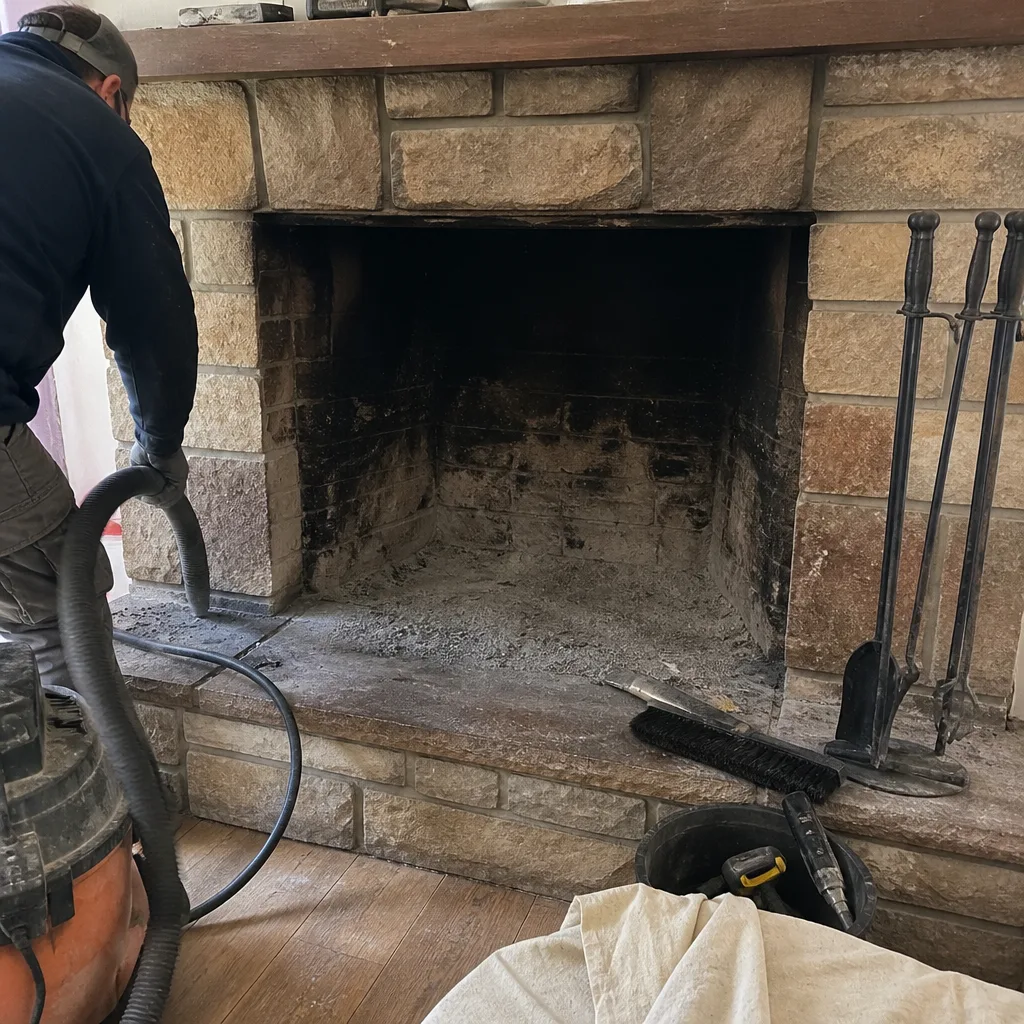
- Containment and sweep. Drop cloths, a sealed work zone, and a HEPA vacuum keep soot out of the room.
- Firebox and smoke chamber inspection. Firebrick, damper, and smoke chamber parging get checked against the previous year’s photos.
- Written findings. Pass, monitor, or repair recommendation for each component, with the photos that support each verdict.
The written findings are the reason we lead with inspection. If nothing needs doing, the report says so. If a repair is genuinely needed, the photos show why, so you’re not taking anyone’s word for it.
Common Mistakes to Avoid
- Assuming a sweep-only crew inspects the whole system. A cleaning crew that only sweeps the flue will typically not look at the crown, cap fasteners, or flashing. Whole-system inspection is a different service.
- Re-sealing a crown without addressing the crack. Coating over a crack doesn’t stop water; the crack keeps moving underneath. Proper crown work re-establishes the slope and the seal together.
- Skipping the gas-appliance CO check because the fireplace “looks fine.” Carbon monoxide has no visible signature. A gas log set with a poor draft can look completely normal while CO accumulates indoors.
- Waiting for water stains to call anyone. Stains on the firebox back wall mean the crown or flashing has already been leaking for a season. The crown repair is cheaper before the leak reaches the firebox.
- Replacing a cap with the wrong material for the wind exposure. A cap that was fine on a sheltered inland roof can fail in the Santa Ana wind corridor. Fastener spec matters here more than in most places.
- Watching for birds’ nests instead of checking cap fasteners in the fall. The spring bird narrative is a distraction from the actual seasonal failure point in Downtown Anaheim, which is wind-driven cap and chase-cover failure.
- Getting a liners or masonry recommendation with no camera evidence. Ask to see the camera footage before you agree to liner work. If it can’t be shown, that’s a reason to get a second inspection.
When to Call a Professional
Call a professional when you see water stains on the firebox back wall or ceiling, when a cap or chase cover moves or has missing fasteners, when the damper won’t seal, when you smell smoke indoors while the fireplace is running, or when you’ve converted a wood fireplace to gas and never had a CO inspection on the new configuration. Those are all signs of a problem a self-audit can surface but a camera is needed to diagnose.
Equally important: if any contractor tells you the liner or the masonry needs thousands of dollars of work and can’t show you the camera footage to prove it, get a second opinion. Nothing gets recommended to you without camera evidence you can see for yourself, and if the safe answer is that the work can wait, you’ll hear that.
Chimney Sweep Downtown Anaheim offers free estimates in Downtown Anaheim. Call (855) 658-5274. We answer 24/7. Fast dispatch from 7am to 7pm, Sunday through Friday.
See the difference
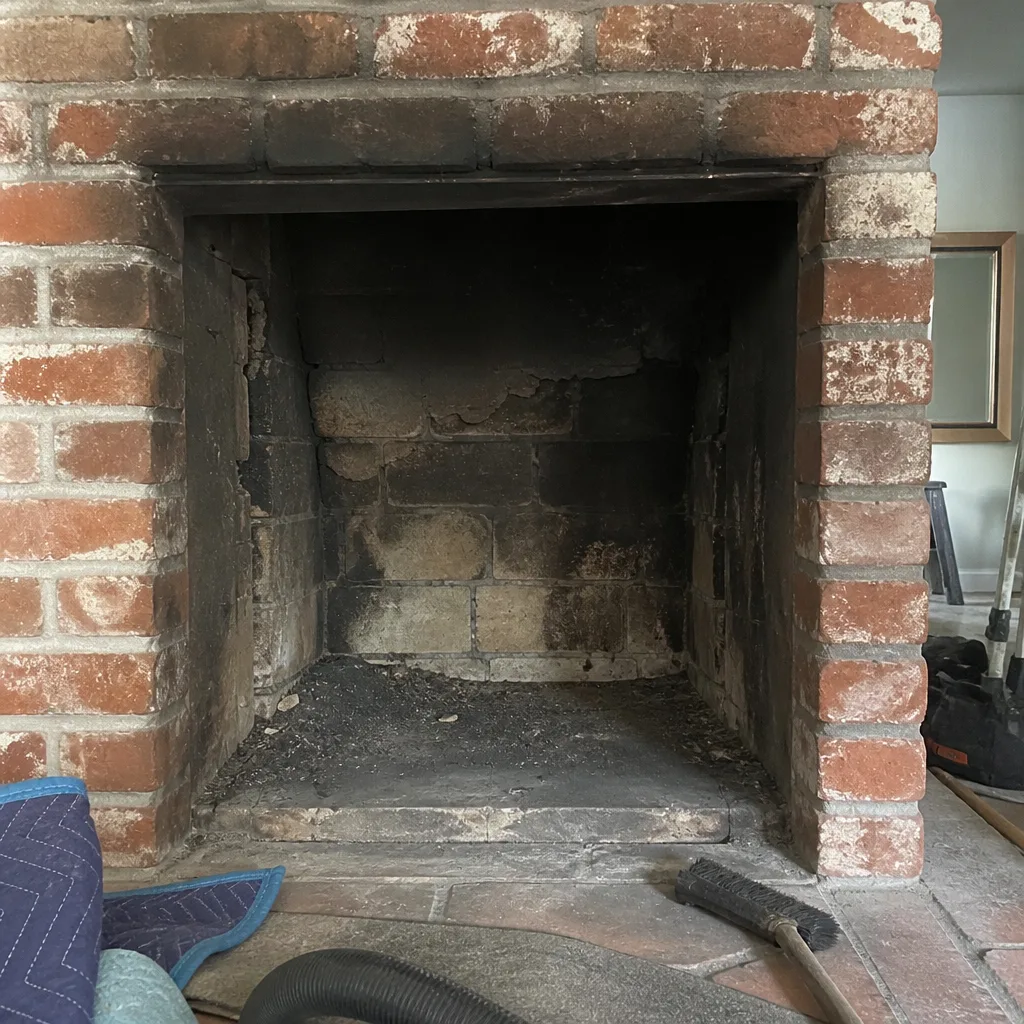 Before
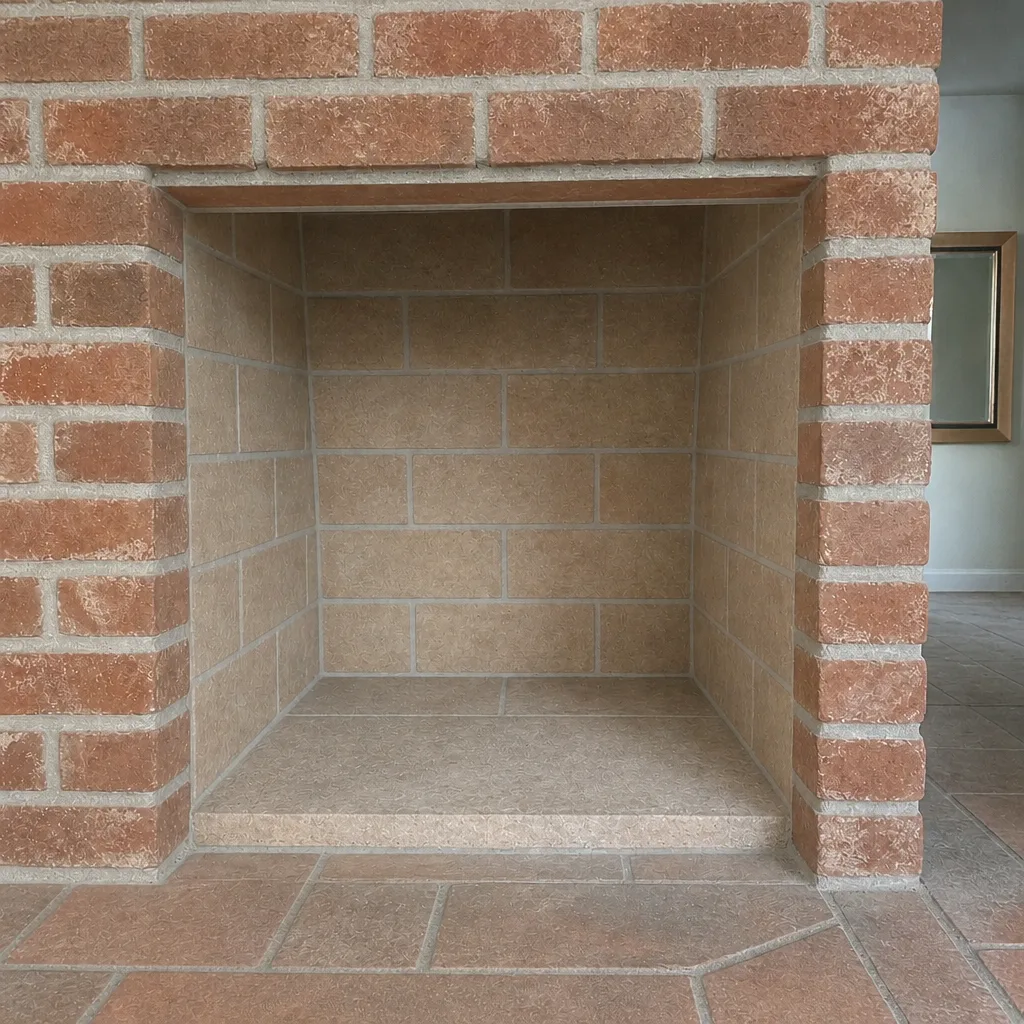 After
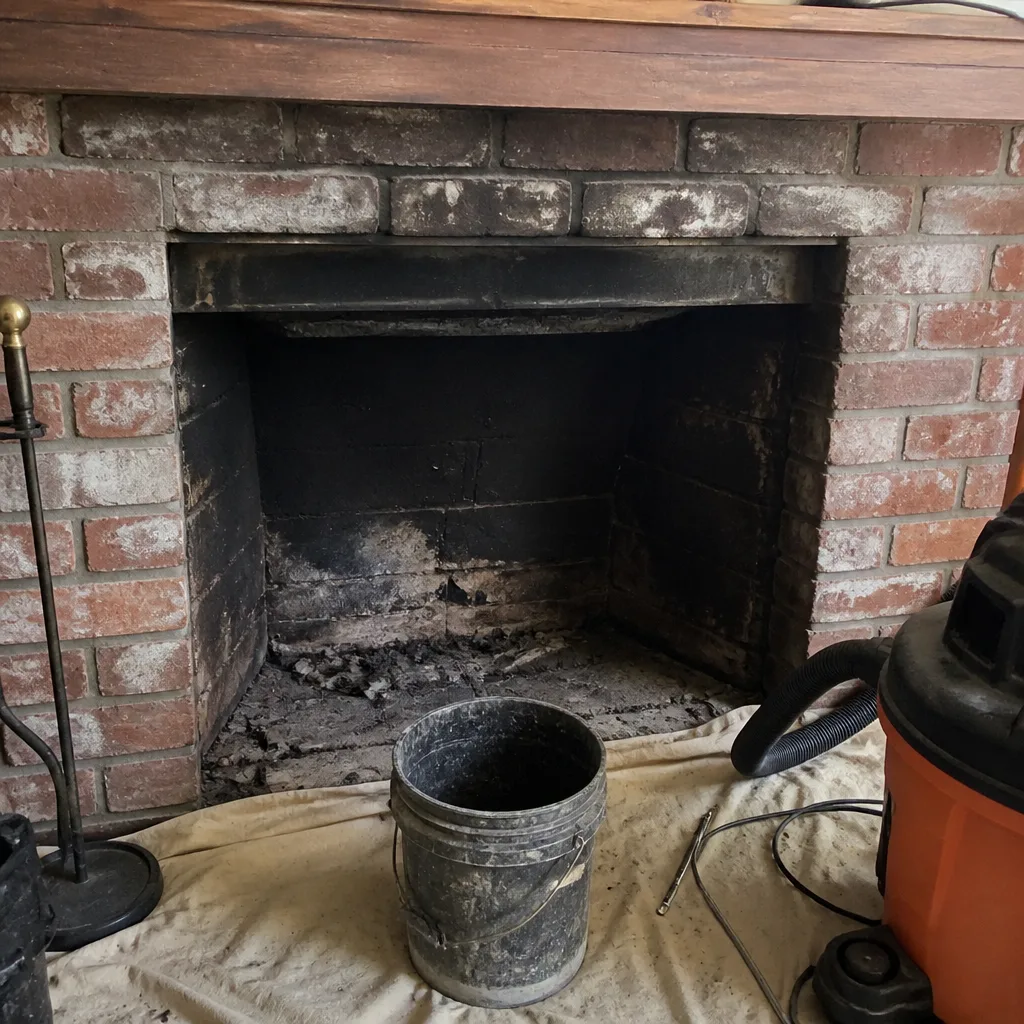 Before
 After
 Before
 After
Frequently Asked Questions
At least once per burning season, with an annual inspection regardless of whether the sweep is due. In Downtown Anaheim homes that run fires several nights a week through the cooler months, an annual sweep is usual; light-use fireplaces often support a sweep every other year, provided the annual inspection still happens and nothing concerning shows on the camera. Call (855) 658-5274 for an exact quote; estimates are free.
A gas fireplace doesn’t produce creosote, so it doesn’t need the same sweep as wood. It does need a chimney inspection, and the key item on the gas checklist is a carbon monoxide check. Gas combustion produces water vapor and mildly acidic condensate that can corrode liners and mortar, so the inspection criteria are entirely different from a wood-burning chimney. Call (855) 658-5274 for an exact quote; estimates are free.
You shouldn’t skip the inspection, even if you skip the sweep. The inspection is what catches crown cracks, flashing leaks, and cap failures that have nothing to do with how much the fireplace ran. Most of the structural damage we look for happens when the chimney is idle, especially through Santa Ana wind season. Call (855) 658-5274 for an exact quote; estimates are free.
The most common outcome in Downtown Anaheim is a small crown crack that goes unaddressed through one rainy season, then reads as a water stain on the firebox back wall. Left alone, the water path can reach the liner joints and turn a crown reseal into a liner restoration. Creosote buildup adds a separate fire risk in wood-burning chimneys. Call (855) 658-5274 for an exact quote; estimates are free.
A liner replacement should only be recommended when a camera shows a defect: a crack, gap at a joint, or missing mortar. If you can’t see the camera footage, get a second inspection before you agree to the work. Our liner work with HeatShield and DuraFlex systems is done only when the camera evidence supports it. Call (855) 658-5274 for an exact quote; estimates are free.
Yes. Our chimney inspection service is offered as a standalone appointment, and a pre-purchase evaluation is one of its main uses. You get a photographic report of the crown, cap, flashing, liner, smoke chamber, firebox, and damper, which gives you concrete negotiating items or confirmation that the chimney is sound. Call (855) 658-5274 for an exact quote; estimates are free.
The Bottom Line
The Downtown Anaheim chimney maintenance checklist is not the same as the one that ships with a generic home-maintenance book. Work top-down through seven components, split the checklist into a wood-burning track and a gas-appliance track, prep for Santa Ana winds before October by checking cap fasteners and chase covers, photograph the same reference points every year, and be honest about what a self-audit can find versus what needs a camera. If your home dates from the 1950s to the 1970s, expect to prioritize crown, liner joints, and firebox firebrick. And if anyone recommends major work without camera evidence they can show you, ask for it before you book.
For the full-service picture of what we do, see the Chimney Sweep Downtown Anaheim. Call (855) 658-5274. We answer 24/7. Fast dispatch from 7am to 7pm, Sunday through Friday.
Written by the team at Chimney Sweep Downtown Anaheim.