
Last updated November 24, 2026
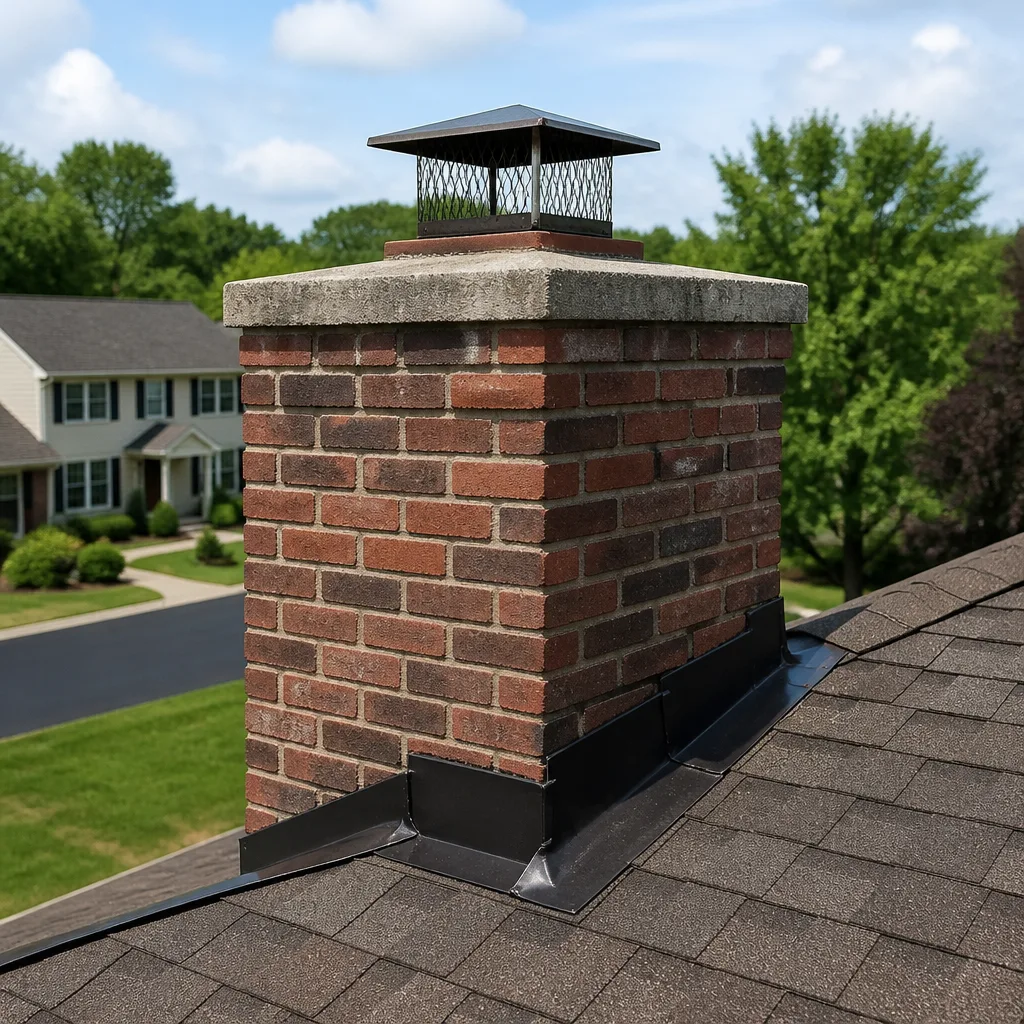 Sweep & inspection
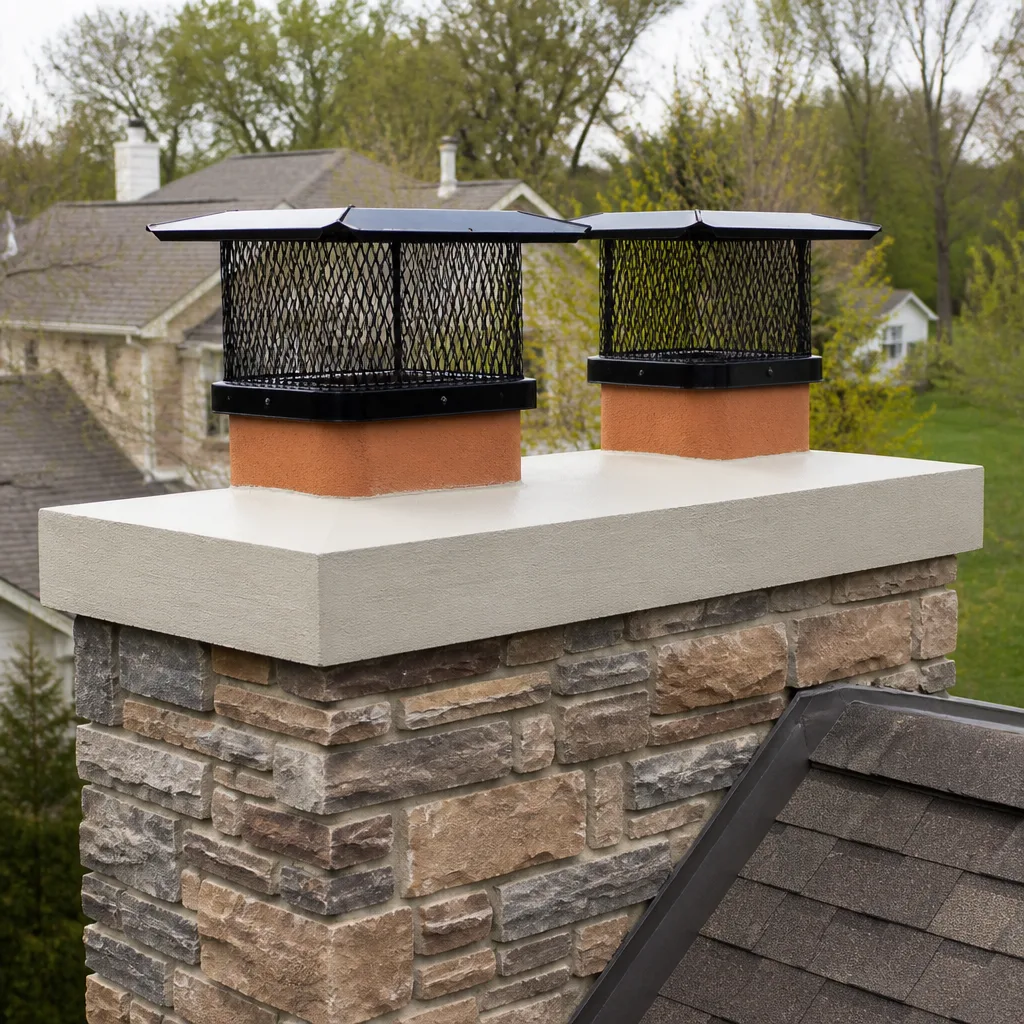 Caps & crowns
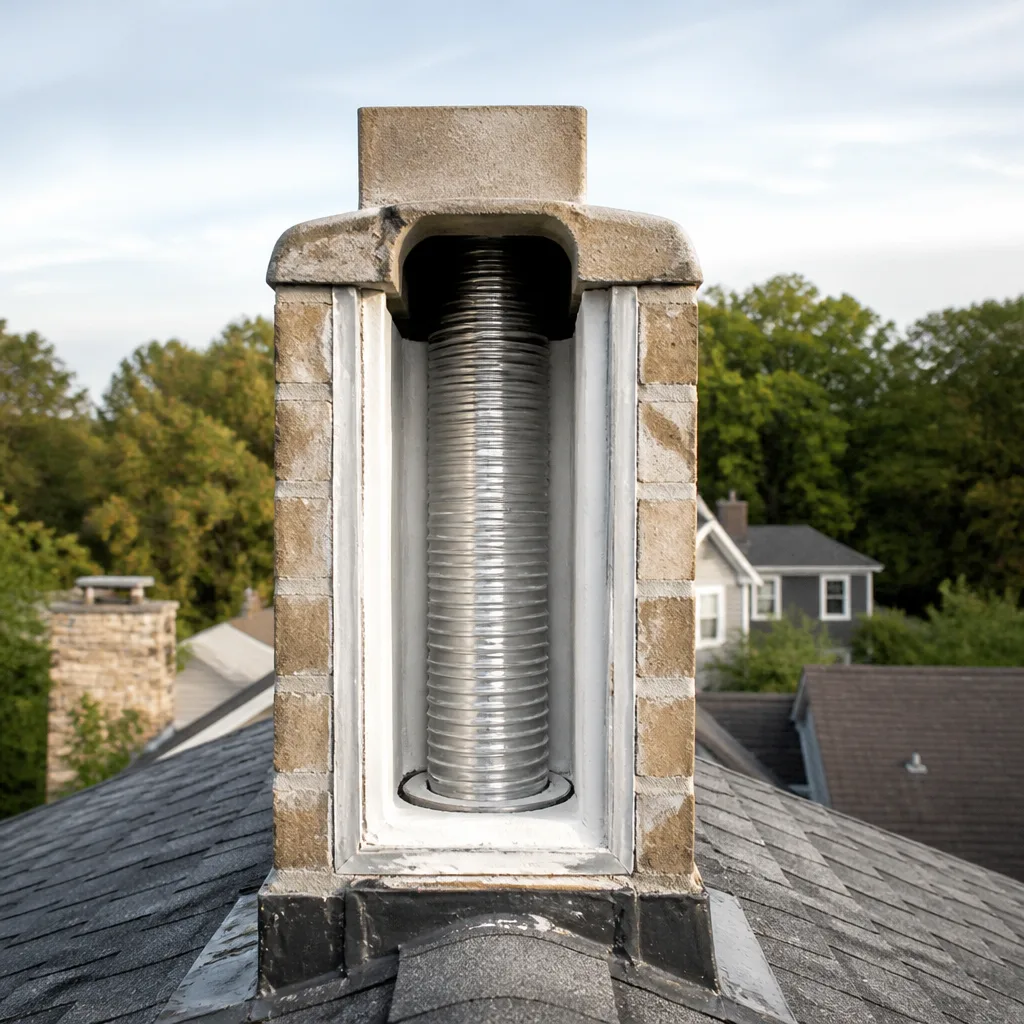 Flue relining
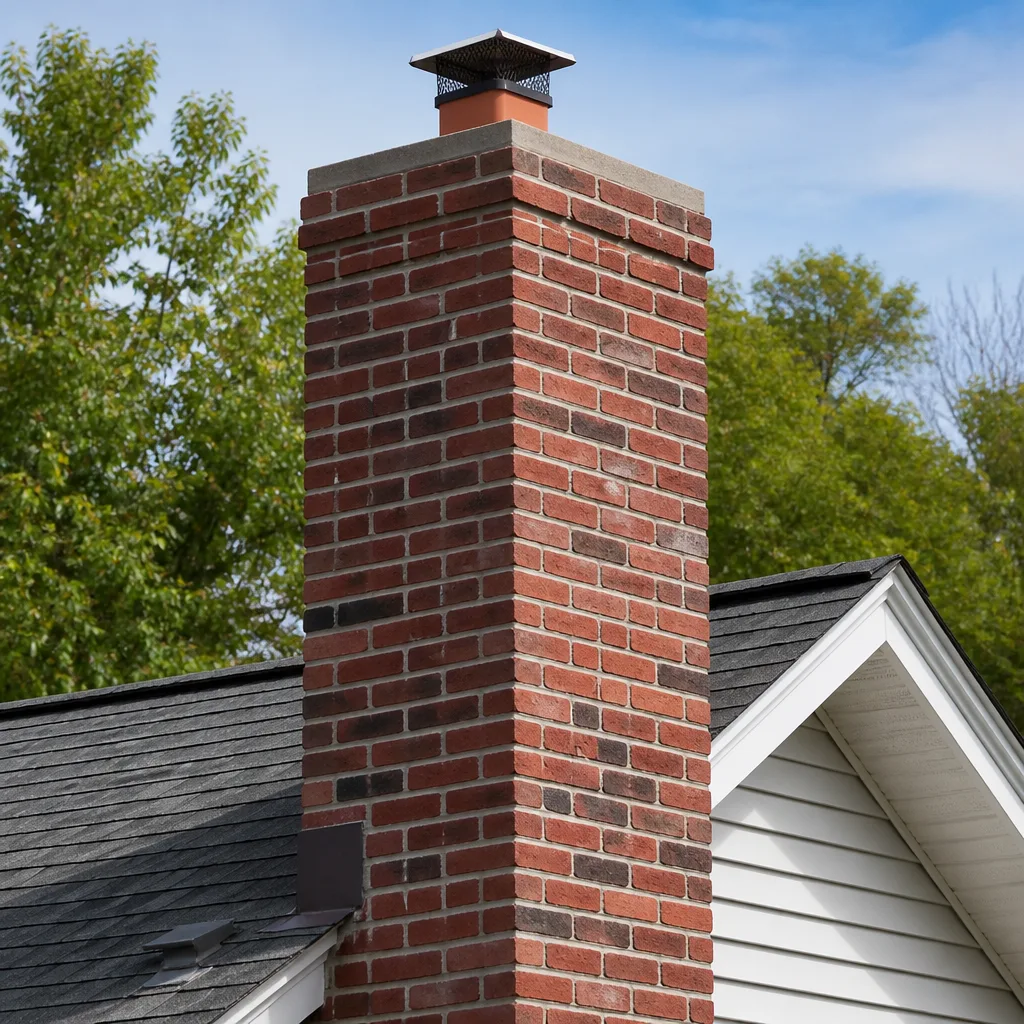 Masonry repair
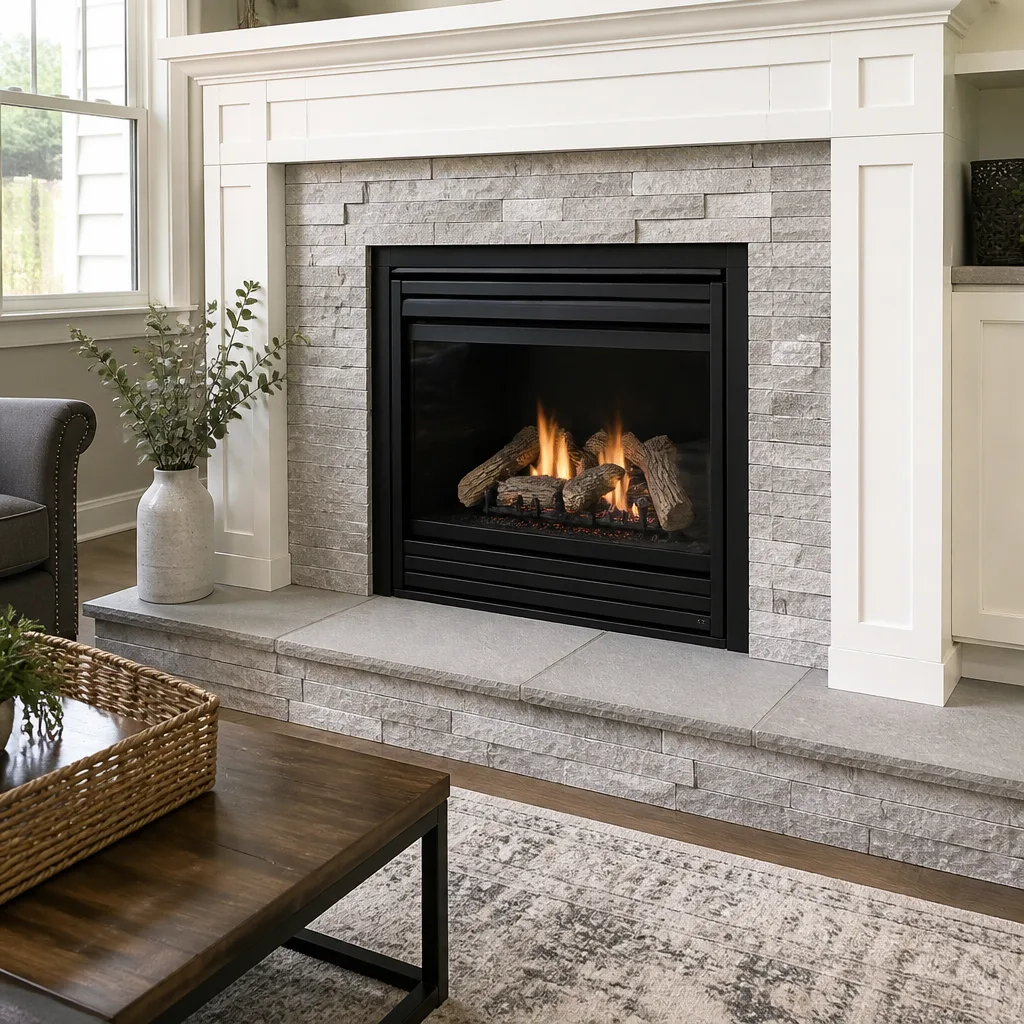 Gas fireplace service
Level 1 sweep and inspection to the NFPA 211 annual standard - flue, crown, cap, and flashing checked and photographed
Chimney sweep logs do not sweep chimneys. They loosen some creosote - which then falls where a brush and vacuum still have to collect it.
Chimney Cleaning Cost Breakdown: The Downtown Anaheim Homeowner’s Reference for 2026
Search for the cost of a chimney sweep and you’ll see the same national average repeated everywhere: somewhere between $150 and $300. That figure hides the thing that actually matters. A sweep that includes a Level 1 inspection, proper containment equipment, and written documentation is not the same service as a quick brush-and-vacuum visit with no inspection attached. You’re not comparing prices for the same job. In this guide we break chimney cleaning costs down the way we build a quote: labor, inspection tier, equipment, and the repair items that show up often enough in Downtown Anaheim homes to be worth naming. By the end you’ll know what a fair quote looks like, which upsells are real, and when to walk away.
Quick Answer
A standard chimney sweep in Downtown Anaheim in 2026 typically runs roughly $180 to $350, and a sweep bundled with a Level 1 inspection usually lands between $250 and $450, depending on how much creosote has built up and how accessible the flue is. A Level 2 inspection with camera work and a written report generally adds $150 to $350 on top. The written estimate sets the final price, and we provide that estimate free.
Styles & brands we work with
- Sweep & inspection
- Caps & crowns
- Flue relining
- Masonry repair
- Gas fireplace service
Table of Contents
- What Are You Actually Paying For in a Chimney Cleaning?
- What Are the Fair Price Ranges in Downtown Anaheim for 2026?
- What’s the Difference Between a Level 1 and Level 2 Inspection?
- Which Chimney Upsells Are Legitimate and Which Are Oversold?
- How Do Masonry and Prefab Chimneys Change the Price?
- What Should a Written Chimney Estimate Itemize?
- How Do You Read a Chimney Quote Like a Specialist?
- How Often Should a Downtown Anaheim Chimney Be Cleaned?
What Are You Actually Paying For in a Chimney Cleaning?
A chimney sweep is four separate costs stitched together. First is labor: the time a trained technician spends setting up containment, running brushes or a rotary tool through the flue, and vacuuming out the debris. Second is the inspection tier that comes with the visit. Third is equipment, which most homeowners never see itemized but absolutely shapes the quote. Fourth is documentation, the written record of what was found. Every legitimate sweep price covers all four to some degree, and every inflated or cut-rate price usually skips one of them.
Here’s what each part does:
- Sweep labor: Removal of soot, creosote, and ash from the flue, firebox, smoke chamber, and damper area. Creosote comes in stages: light soot wipes away easily, while glazed, tar-like Stage 3 creosote demands rotary equipment and more time.
- Inspection tier: A Level 1 visual check comes standard with a proper sweep. Anything past that, including camera runs of the flue interior, is a separate line item.
- Equipment: The gear that separates a real sweep from a quick vacuum: HEPA filtration units, brush sets sized to the flue, video cameras, drop cloths, and containment barriers. Cheap operators skip HEPA containment and dust the house.
- Documentation: A written photo report showing what was cleaned and what was found, so you’re not relying on a technician’s verbal word about the state of your flue.
That last item is the divide between a $79 sweep and a real one. A $79 sweep rarely includes a written inspection, because the operator is counting on finding something to upsell. A fair sweep includes the inspection and documents it, so you can see the evidence rather than take our word for it. In Downtown Anaheim’s older housing stock, where flues were often built decades before today’s venting standards, that written record is worth more than the price difference.
What Are the Fair Price Ranges in Downtown Anaheim for 2026?
Anaheim’s chimney market splits into four common quote tiers in 2026. Each tier is a genuinely different amount of work, which is why the numbers don’t line up as neatly as homeowners expect.
| Service Tier | Typical Range | What’s Included |
|---|---|---|
| Sweep only (no inspection) | $180 – $280 | Cleaning of the flue and firebox, no written report |
| Sweep + Level 1 inspection | $250 – $450 | Cleaning plus visual inspection of accessible components, written summary |
| Sweep + Level 2 inspection | $400 – $800 | All of the above plus camera inspection of the flue, photo report |
| Sweep + liner camera + written report | $450 – $900 | Camera run of the full flue with documented footage and photo findings |
Those ranges assume a single flue and reasonably accessible access points. Add a second flue and you’re looking at a second sweep charge. Add significant creosote buildup, and the labor line goes up because the technician spends longer with rotary equipment. Add a flue with unusual length or a difficult access point at the firebox, and the labor time climbs again.
The wide range on each tier isn’t a cushion; it reflects real variables. Two Downtown Anaheim homes on the same block can quote differently because one has a straight flue from hearth to cap and the other has an offset tile-liner chimney with a smoke shelf coated in glazed creosote. Both are fair prices. What makes a quote fair is whether it itemizes those conditions.
One more thing to keep in mind: a fair quote tells you what work can wait. If the flue’s in good shape through the camera, the honest answer is “you’re done for the season.” Specialists who quote honestly know that answer as readily as the ones who find work to justify a bigger ticket. We’d rather tell you the chimney is fine than pad a repair list you don’t need.
What’s the Difference Between a Level 1 and Level 2 Inspection?
The three chimney inspection tiers aren’t sales gimmicks; they’re a defined industry standard, and each answers a different question. A homeowner who doesn’t know the difference can easily pay Level 2 money for a Level 1 scan or, worse, get a Level 1 when they really needed a Level 2.
- Level 1 inspection: A visual check of all readily accessible parts of the chimney and venting system: firebox, damper, smoke chamber, flue from the top and bottom where reachable, cap, crown. This is what a routine annual sweep typically includes. It answers: is it clean, is anything obviously damaged, is anything visibly blocked?
- Level 2 inspection: Everything in a Level 1, plus a video camera run through the flue to see what the eye can’t reach. This tier is the one that catches hidden cracks in tile liners, gaps in prefab venting sections, and offset obstructions. It’s the standard for a real estate transaction, a change of fuel type, or an older Downtown Anaheim home that hasn’t been serviced recently.
- Level 3 inspection: The most involved tier, used when a Level 1 or 2 turns up a concern that requires opening up parts of the chimney structure. It’s rarely needed unless a defect has already been flagged.
A standalone Chimney Sweep Downtown Anaheim inspection is offered as its own service, separate from a cleaning, which matters for two situations: pre-purchase evaluation of an older home, and annual safety checks on a chimney you don’t run often. We inspect first and recommend second. If the camera doesn’t show a problem, we don’t invent one.
When a Level 2 inspection reveals a damaged liner, that’s where our HeatShield liner restoration capability comes in. HeatShield is a professional-grade liner restoration system that rebuilds the interior profile of a damaged flue rather than requiring full liner replacement in every case. Not every sweep-only operator carries it, and if the inspection turns up damage, you don’t want to be handed a referral to a second contractor at that moment. We handle the diagnosis and the fix under one roof. The same goes for cap and crown work, which we’ll get to below.
Which Chimney Upsells Are Legitimate and Which Are Oversold?
This is the section the bait-and-switch operators hope you never read. Five add-ons come up most often in the Anaheim market. Some are real findings backed by photographic evidence; others are the bread and butter of a $79 sweep economy.
- Liner replacement. Legitimate when the camera shows cracks, spalling, or missing tile sections. The line between “needs restoration” and “needs full replacement” is where homeowners get squeezed. A HeatShield restoration quote versus a full liner replacement quote are different amounts of money for different outcomes; you’re allowed to ask for the camera footage of the damage and a comparison of both.
- Crown repair. Legitimate when the concrete crown at the top of the chimney is cracked or chipped, which lets water infiltrate. This is a real water-damage issue. It’s also frequently quoted at the highest possible amount without an explanation of what’s being rebuilt.
- Cap installation. A chimney cap & crown is a real structural element: the cap keeps rain, birds, and debris out of the flue, and the crown seals the top of the masonry. Missing caps are a genuine finding in older Downtown Anaheim homes. But the cost of a basic cap versus a custom-fabricated one can vary widely, so ask what grade you’re being quoted.
- Firebox rebuild. Legitimate when the firebox brickwork is spalling or the mortar joints are deteriorated enough to be a safety concern. Oversold when a small mortar repair would do, and the operator quotes a full rebuild. Ask which specific bricks are failing and why.
- Creosote treatment. Legitimate when the flue has Stage 3 glazed creosote, which actually does need chemical treatment and rotary removal. Oversold when the buildup is light soot that a normal sweep addresses. Ask whether the sweep is standard or rotary-chemical and whether the quote reflects that difference.
The pattern to notice: every legitimate upsell has a physical answer to “show me.” Every oversold one deflects. If an operator can’t point to specific damage in a photo or video, the recommendation is a question, not a bill.
We work with professional-grade brands across these repairs, including HeatShield liners, Gelco caps, and Olympia Chimney venting components, because a specialist who handles the whole system carries the right product for each job. When we recommend a repair, it’s tied to a specific component and a specific product we can name. “You need a new crown” is not enough information to justify a repair; “the concrete crown is cracked across three inches, and a Gelco crown rebuild will seal it” is.
How Do Masonry and Prefab Chimneys Change the Price?
Construction type changes the price of a sweep more than most homeowners expect. It’s not a marketing distinction; it’s a mechanical one.
A masonry chimney is brick or stone with a tile or cast-in-place liner, built to vent a wood-burning fireplace or a solid-fuel appliance. Sweeping a masonry flue typically involves brush or rotary equipment sized to the flue, plus a visual inspection of the smoke chamber and firebox, because those are the components that accumulate creosote and ash differently. Masonry flues also tend to be straighter in older homes but can have offset sections where the flue was laid around a structural beam. Those offsets catch debris and demand more time.
A prefab metal fireplace, common in Downtown Anaheim homes built after the mid-1980s, is a factory-built unit with a stainless steel flue system and defined clearance-to-combustibles requirements. Sweeping a prefab flue is generally faster, which is why a prefab sweep usually costs less than a masonry sweep of similar length. The flue is round, metal, and uniform. But prefab units have their own inspection vulnerabilities: damaged sections of the flue can leak carbon monoxide into the structure, and the manufacturer’s venting specifications must be matched exactly when a repair is made. Olympia Chimney and DuraFlex venting components are the right match for those repairs, which is why we stock capability in both masonry and prefab work rather than specializing in only one.
In Downtown Anaheim’s mixed housing stock, this matters. A sweep quote on an older masonry home near the Colony District is not the same work as a sweep on a 1990s prefab unit. If a quote doesn’t ask which construction type you have, that’s a red flag on its own. A fair estimate treats them as different jobs because they are.
What Should a Written Chimney Estimate Itemize?
A written estimate is your protection against a mid-job price change. Vague quotes are the loophole that turns a $200 sweep into an $800 bill. Here’s what should be on the page before you sign anything.
- The service tier in plain English. Not “chimney service” but “sweep of single flue with Level 1 inspection” or “sweep plus Level 2 camera inspection.” You should be able to read the estimate and know exactly what’s happening on the roof and inside the firebox.
- Equipment and containment. Whether HEPA containment and interior drop cloths are included. If they’re not, you’re paying for dust in your living room.
- Inspection inclusions. Whether the quote includes a written report with photos and what the report will cover. A verbal “you’re all set” is not documentation.
- Creosote condition if known. If the estimate was based on a prior inspection, it should say what was found and whether the price reflects light, moderate, or heavy buildup.
- A clear line between the sweep and any repair. The estimate should state what’s covered by the sweep price and what’s a separate item, with the separate item priced independently. If a repair is recommended, it should be backed by a photo or footage you can see.
- What’s not included. Access to second flues, chimney cap removal and reinstallation, and repair work should be explicitly named or excluded. The gap between “not included” and “additional cost” is where surprise bills live.
- The final price, clearly labeled as an estimate. The written estimate sets the final price, but it should say so, and it should say what would change the price and how you’d be notified before any work began.
If a quote arrives as a single number with no breakdown, that’s a reason to ask for the estimate in writing before you book. If the operator resists itemizing, that’s a reason to walk away.
How Do You Read a Chimney Quote Like a Specialist?
Reading a chimney quote well is less about spotting the lowest number and more about spotting the shape of the document. Here’s the sequence we suggest homeowners use, in order:
- Find the inspection tier. If the estimate doesn’t name a Level 1 or Level 2, ask which one you’re getting. A sweep with no inspection is a cleaning without a safety check, and that’s the whole point of the visit.
- Find the documentation promise. Look for “written report,” “photo report,” or “camera inspection” on the page. If those words are missing, the estimate doesn’t include them.
- Find the repair boundary. The estimate should clearly separate the sweep price from any recommended repair. A single blended number without a boundary is a warning sign.
- Look for the “can wait” answer. A specialist who’s quoting honestly will tell you what doesn’t need doing this season. If the estimate only adds work, ask explicitly which findings, if any, can be monitored rather than repaired now.
- Look for a brand name. When a repair is recommended, the estimate should name the component: a HeatShield liner restoration, a Gelco cap, an Olympia Chimney flue section. Named products are a sign the operator is quoting the actual repair, not a placeholder for an unspecified add-on.
Applying that sequence to a quote takes about five minutes. It’s the difference between hiring a specialist and hiring a price tag.
One thing we hear from homeowners is that they were told by another contractor “you need a specialist for that” and handed a name. The referral gap delays the fix and adds a second estimate to compare. The full stack of chimney work, including fireplace repair for a firebox that’s spalling or a damper that won’t seal, is handled by the same team here. If a repair turns up, you don’t lose a week scheduling a second company to quote it.
How Often Should a Downtown Anaheim Chimney Be Cleaned?
Annual cleaning is the general rule for a chimney you use regularly, because creosote accumulates by fire count rather than calendar. A homeowner burning two cords of wood a season needs a sweep every year; a homeowner who lights the fireplace twice a month can often go longer, but should still have it inspected yearly. The inspection, not the cleaning, is the safety item. A clean flue can still hide a cracked liner, and the crack is what leaks carbon monoxide into the house.
Downtown Anaheim’s mild winters mean fireplaces here don’t run as hard as in colder regions, so creosote deposits can accumulate more slowly than the national averages assume. But mild winters also mean some fireplaces sit idle for years, and an idle flue is where the real problems hide: bird nests, masonry that’s spalled from a slow moisture leak, and a damper that hasn’t opened in a decade. The cleaning schedule quiet chimneys get should be inspection-led rather than fire-count-led.
Here’s the schedule we recommend for a Downtown Anaheim home:
- Used seasonally: Sweep and inspect once a year, before the first fire.
- Used heavily: Sweep and inspect once a year, plus a mid-season check on creosote buildup if you’re burning a lot of soft wood.
- Idle or rarely used: Level 2 inspection yearly; sweep only if the inspection shows debris, nests, or soot accumulation.
- Pre-purchase or after a change of fuel: Level 2 inspection before signing anything, regardless of last service date.
The honest answer is that the right interval depends on what the inspection finds, which is why the inspection is the first service we recommend and the first one we price.
Common Mistakes to Avoid
- Booking the lowest advertised price without asking what’s included. A $79 sweep almost always excludes the inspection and the written report. You’re not buying a cheaper sweep; you’re buying a different service that’s designed to lead to an upsell.
- Skipping the written report on an older home. Downtown Anaheim’s pre-1980s housing stock often has tile liners with invisible damage that a verbal “looks fine” won’t catch. Ask for the photos in writing.
- Accepting a liner estimate without seeing the footage. If the inspection turned up a damaged liner, ask for the camera footage or photos. A legitimate finding survives the request for evidence; an oversold one retreats.
- Treating a prefab quote like a masonry quote. Prefab metal fireplaces need venting components matched to the manufacturer’s specs, and Olympia Chimney and DuraFlex parts are the kind of product you want the technician to be naming. A one-price-fits-all quote doesn’t reflect that difference.
- Cleaning but not inspecting. The sweep is cosmetic; the inspection is the safety check. Booking a sweep with no inspection is paying for half the job.
- Ignoring missing caps. A fireplace with no chimney cap is the most common neglect item in Downtown Anaheim homes, and a Gelco cap is a modest line item compared to the water damage a missing cap causes over a season or two.
- Assuming repairs can wait indefinitely. Some genuinely can, some can’t. Ask the technician to name which findings on the report are cosmetic, which should be watched, and which are safety items. The answer should come in those three categories, not a single dollar total.
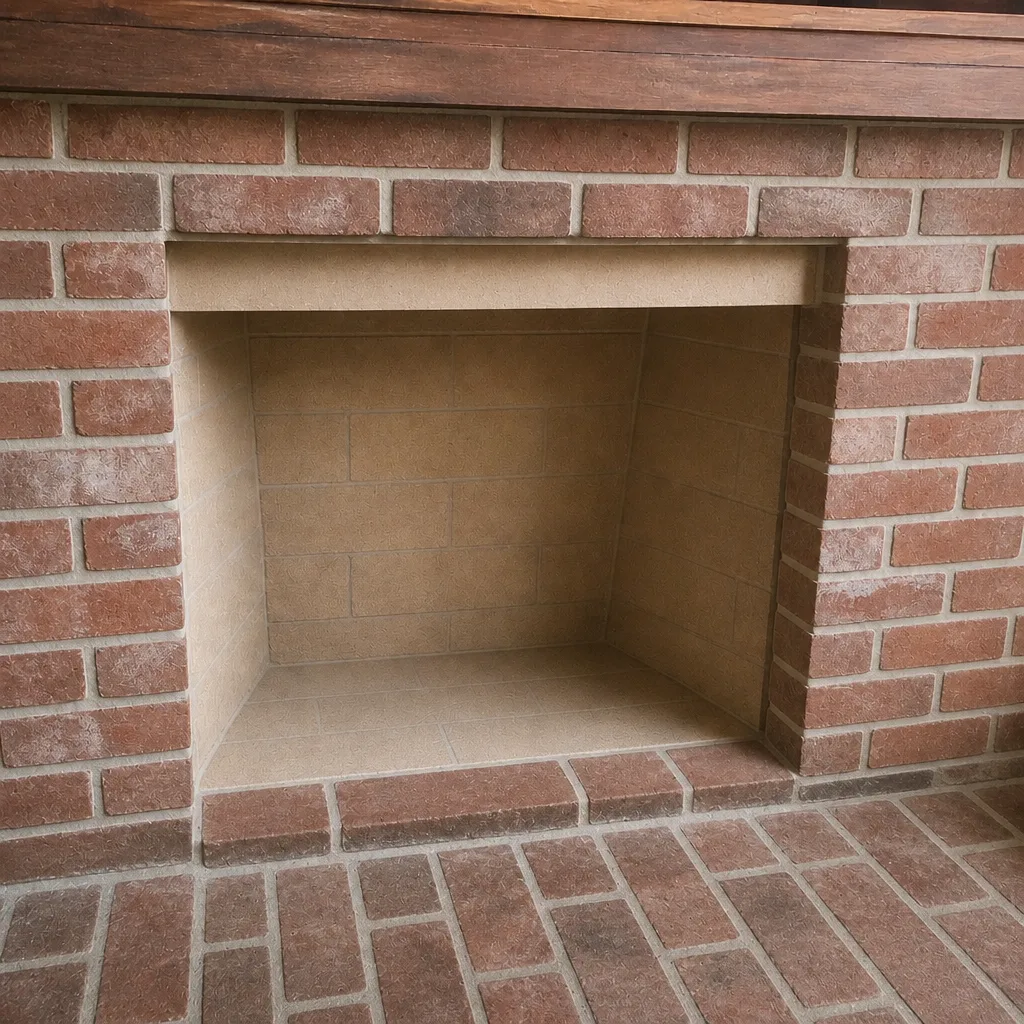
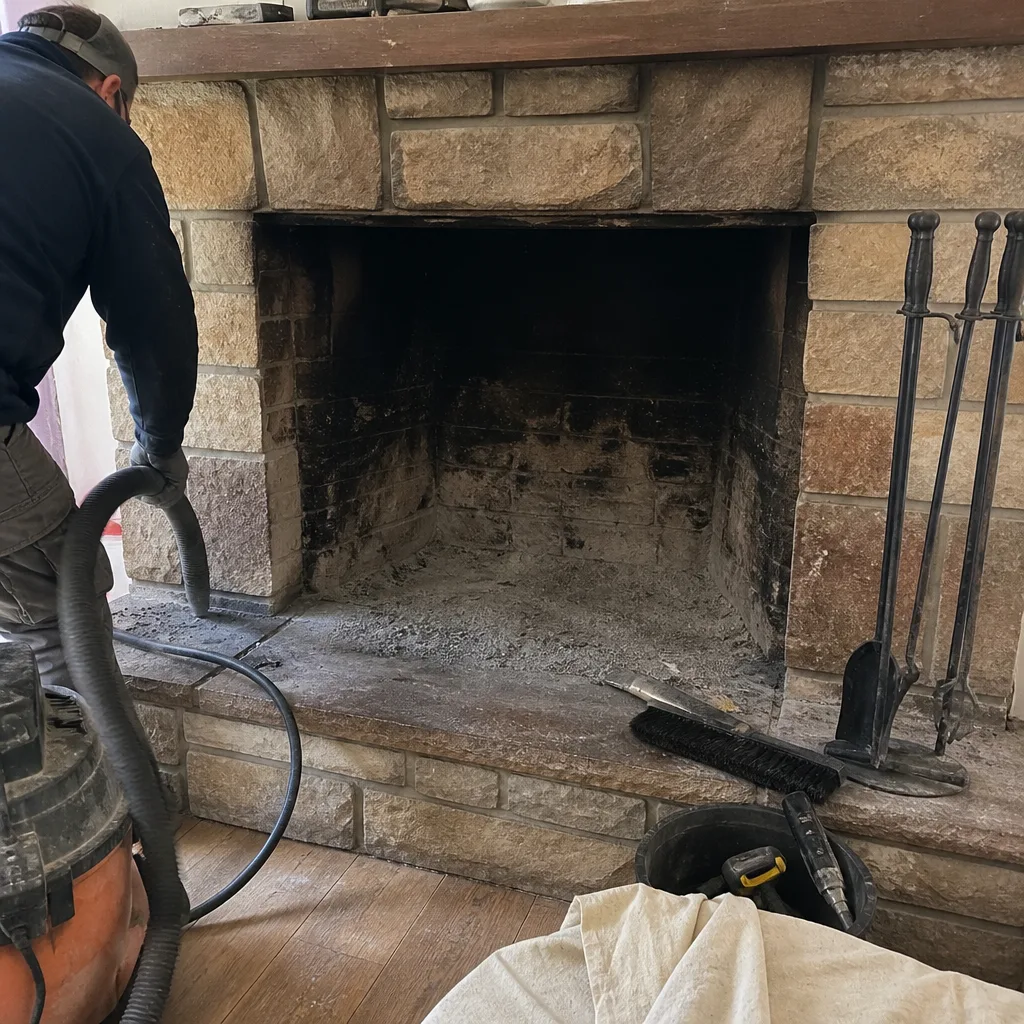
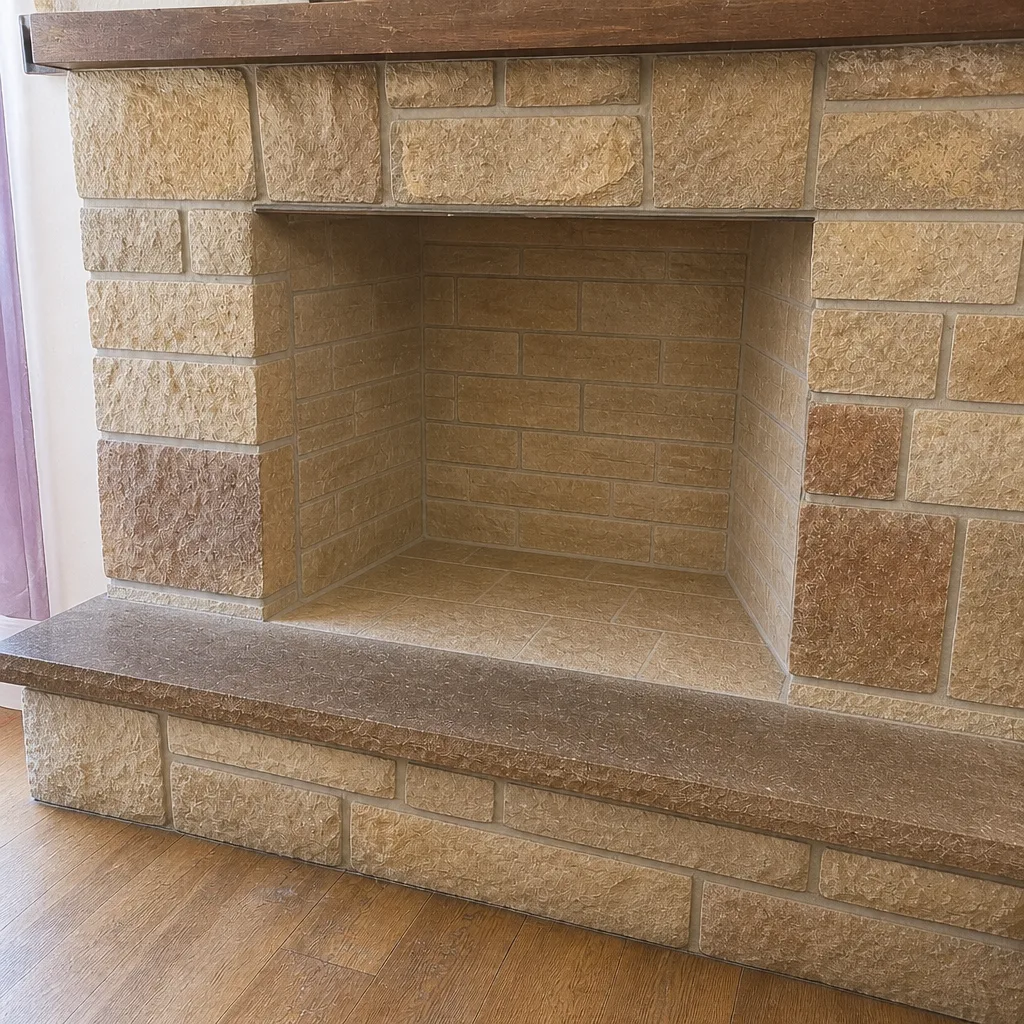
See the difference
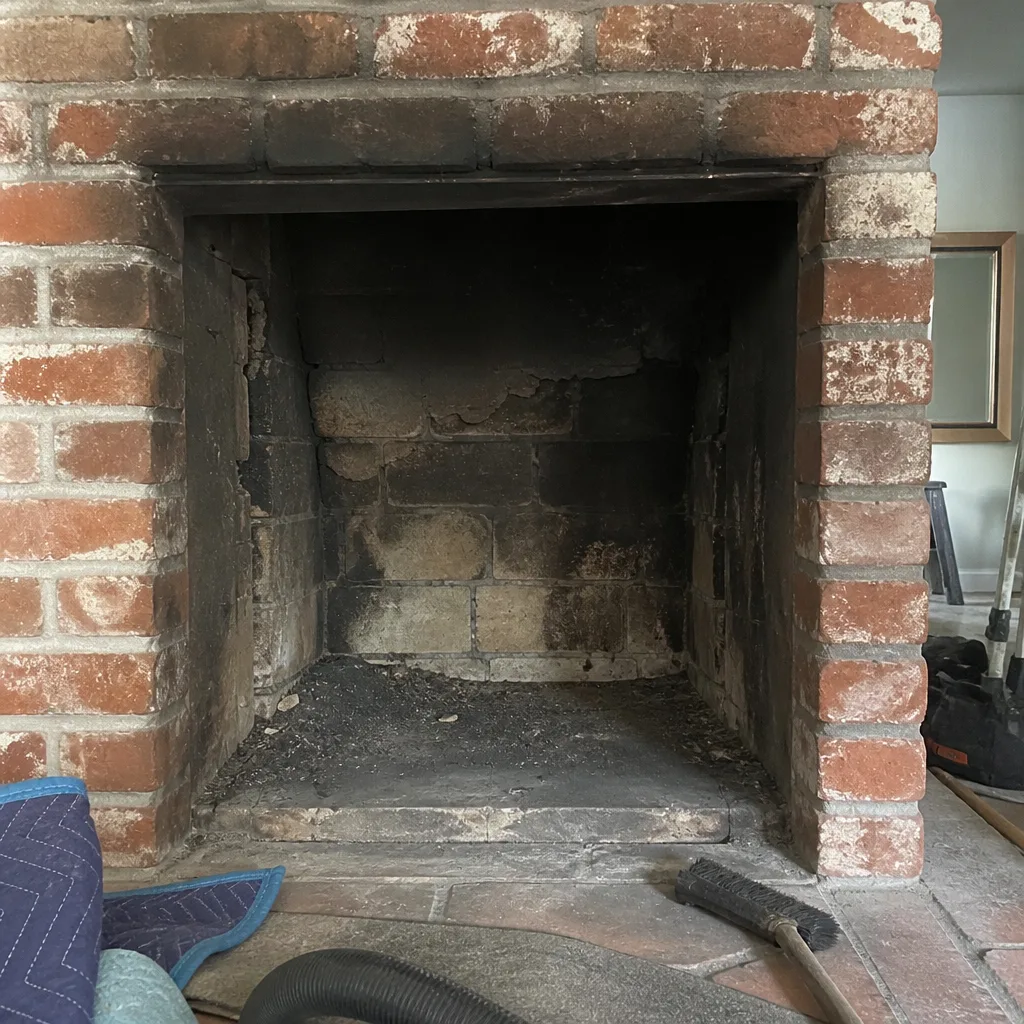 Before
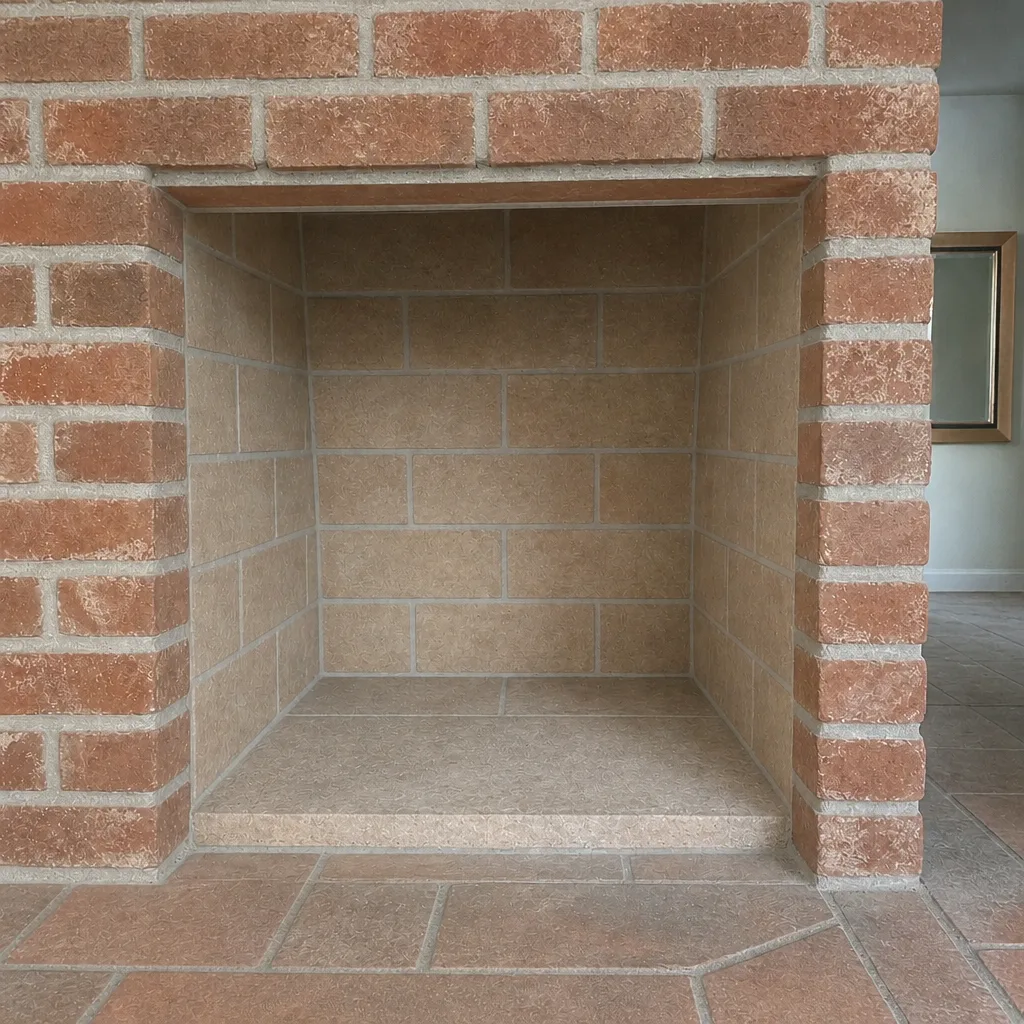 After
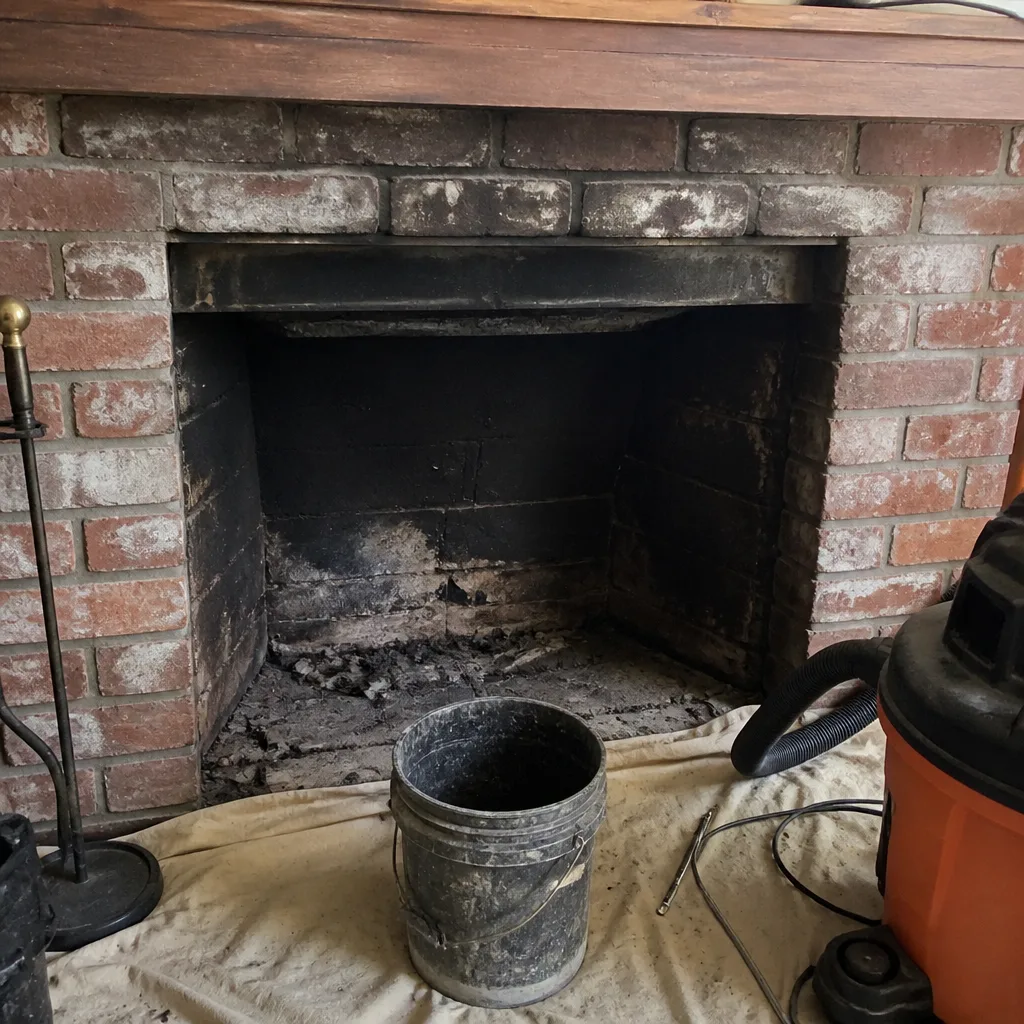 Before
 After
 Before
 After
When to Call a Professional
Call a chimney specialist when you hear a roar or whoosh on lighting a fire, when smoke backs into the room, when you smell creosote or a musty odor from the firebox even when the fireplace is cold, or when the firebox brickwork looks spalled, missing, or crumbling. Call before your first fire of the season if the chimney hasn’t been serviced in more than a year, and call before you buy an older home if the seller can’t produce a recent inspection report. Carbon monoxide symptoms in the home, including headaches and dizziness that improve when you leave the house, warrant a call to your gas utility and to a chimney specialist; do not test the system yourself with a fire. Chimney Sweep Downtown Anaheim offers free estimates in Downtown Anaheim. Call (855) 658-5274. We answer 24/7. Fast dispatch from 7am to 7pm, Sunday through Friday.
Frequently Asked Questions
A standard chimney sweep in Downtown Anaheim typically runs $180 to $350 in 2026, and a sweep bundled with a Level 1 inspection usually lands between $250 and $450. The written estimate sets the final price based on the condition of the flue, the number of flues, and the amount of creosote present. Call (855) 658-5274 for an exact quote; estimates are free.
Not always, and that’s the honest answer most homeowners don’t hear. A new liner is genuinely needed when the camera inspection shows cracked or missing tile sections, spalling, or a flue that no longer matches the appliance’s venting requirements. In many cases a HeatShield liner restoration can seal a flue that would otherwise be quoted for full replacement. Ask to see the footage and ask whether restoration is an option before you sign a replacement quote. Call (855) 658-5274 for an inspection you can review for yourself.
Once a year for a chimney used regularly, with an annual inspection in all cases. Anaheim’s mild winters mean many fireplaces run less than they would in colder regions, but the inspection is what catches problems regardless of fire count. A rarely used flue still needs a yearly inspection because nests, moisture damage, and liner cracks accumulate without fire. Call (855) 658-5274 to book an inspection; estimates are free.
Creosote continues to accumulate in the flue, and at the glazed Stage 3 level it’s fuel for a chimney fire that can reach temperatures hot enough to damage the liner or the surrounding structure. Skipping the inspection is a separate risk: a cracked liner can let carbon monoxide into the home without any visible sign. Neither outcome is inevitable, but both are the reason the yearly visit exists. Call (855) 658-5274 to get on a reasonable schedule.
The $79 sweep typically excludes a Level 1 inspection and a written report, and it often skips HEPA containment. The technician’s incentive is to find work to justify the visit. A $250 sweep includes the inspection and the documentation, which is the actual point of the service. They aren’t two prices for the same job. Call (855) 658-5274 for a written estimate you can compare line by line.
It should name the inspection tier, state whether HEPA containment and written documentation are included, list any repair separately with the product or component named, and state the final price as an estimate. It should also say what’s not included. A quote that arrives as a single number without a breakdown is worth asking to see in writing. Call (855) 658-5274 and we’ll send an itemized estimate. Estimates are free.
The Bottom Line
Chimney cleaning cost in Downtown Anaheim comes down to what’s actually in the quote. Four tiers of service, four fair ranges, and a written estimate that names the inspection, the containment, the documentation, and any repair separately. When an operator quotes a $79 sweep, the missing inspection and report explain the price. When an operator recommends a $1,200 repair, the camera footage or photo report explains that too, or the recommendation doesn’t hold up. The guide here is the whole framework: ask for the breakdown, ask for the evidence, and ask which findings can wait. Our technicians have up to 10 years of experience with masonry and prefab systems, and we work with professional-grade brands including HeatShield, Gelco, Olympia Chimney, Famco, and Copperfield so the repair is matched to the component. If you want a written estimate built from that same breakdown, call (855) 658-5274. We answer 24/7. Fast dispatch from 7am to 7pm, Sunday through Friday.
Written by the team at Chimney Sweep Downtown Anaheim.