
Last updated November 24, 2026
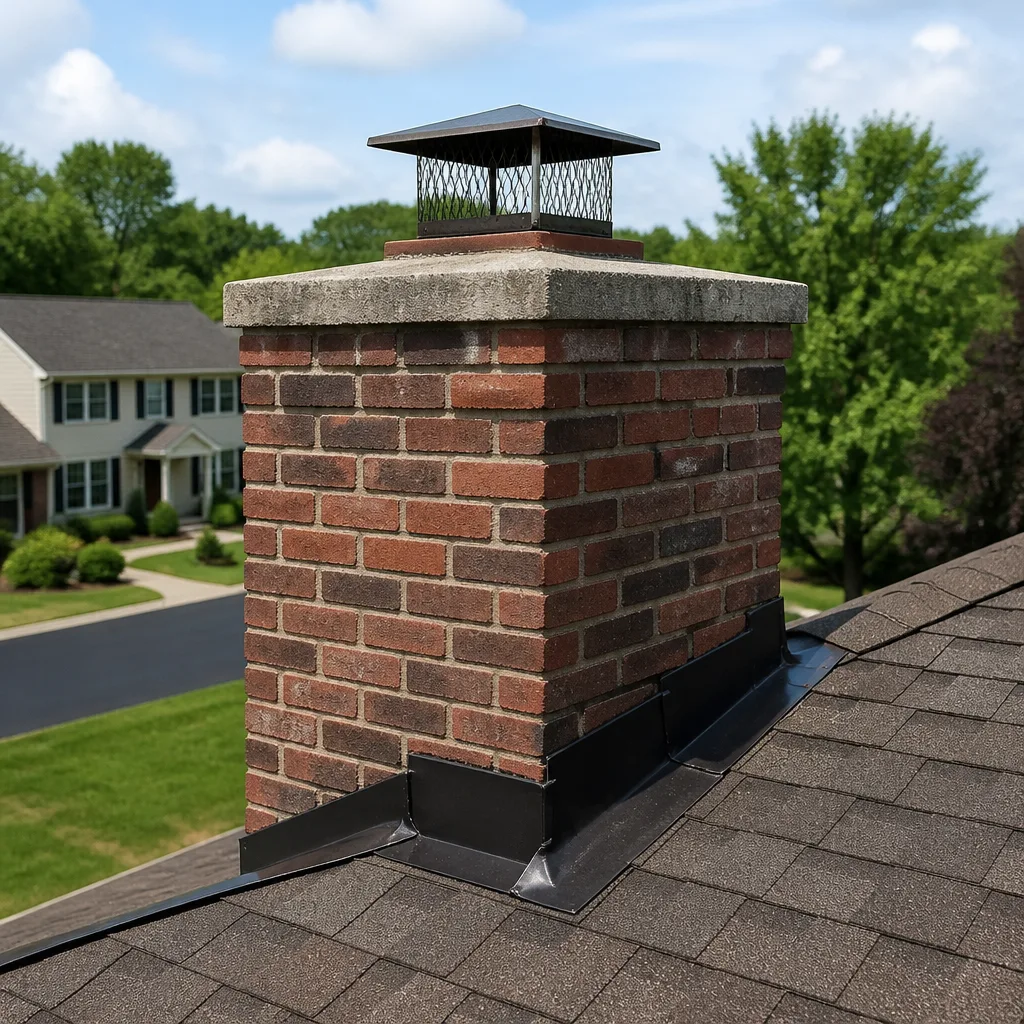 Sweep & inspection
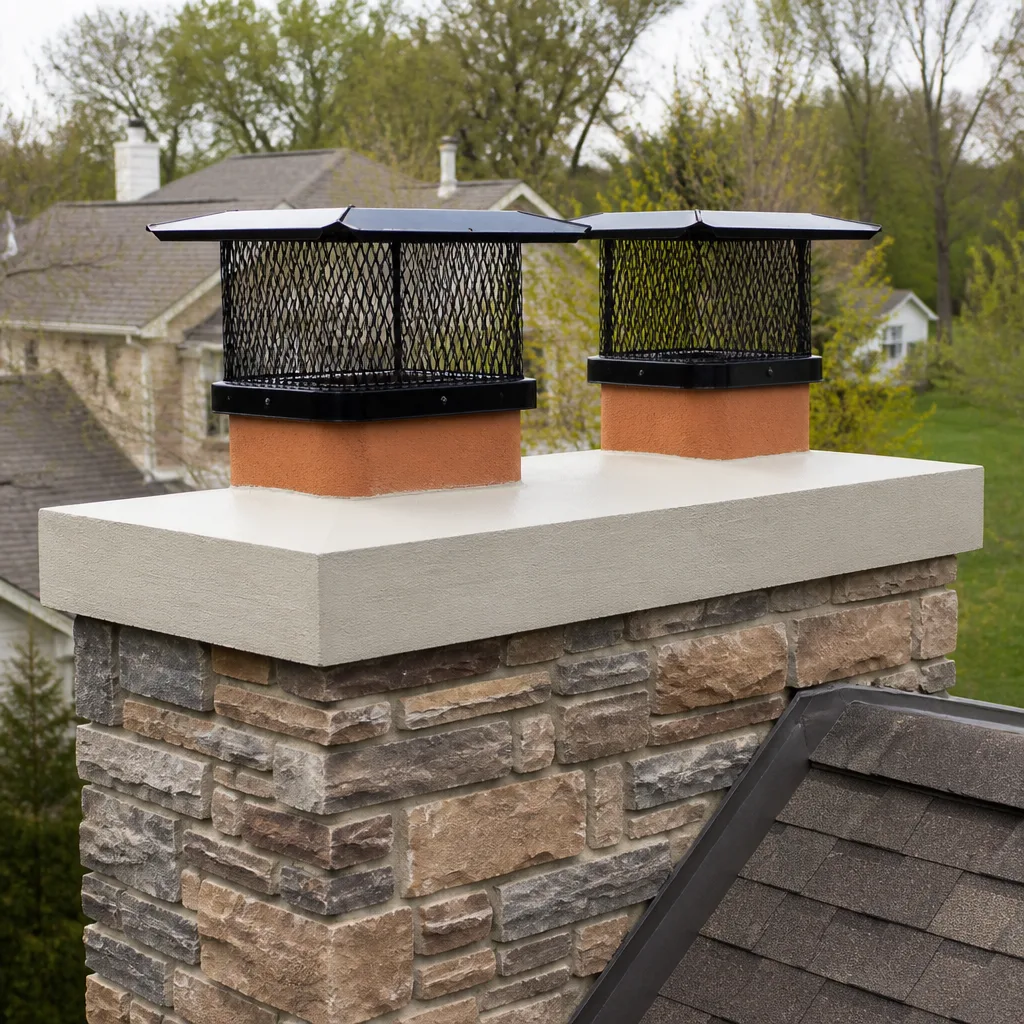 Caps & crowns
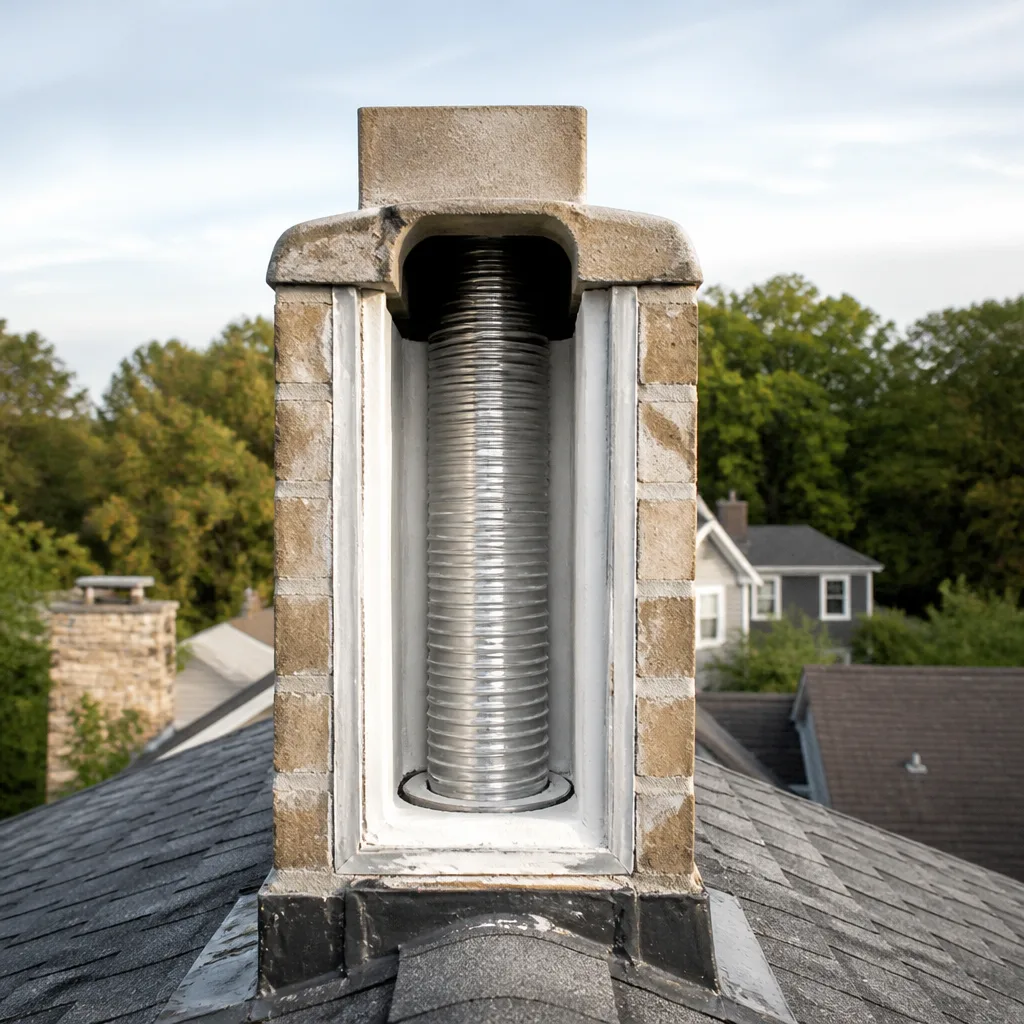 Flue relining
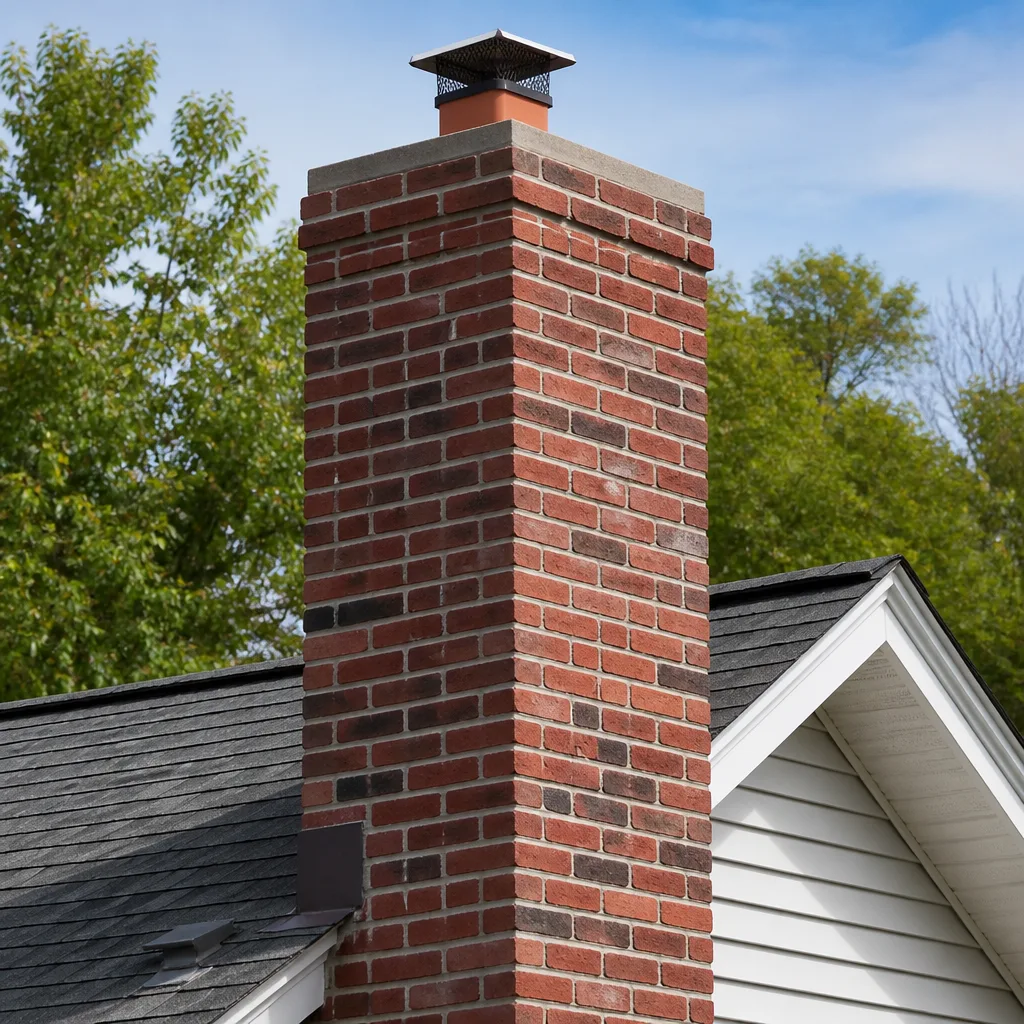 Masonry repair
 Gas fireplace service
Level 1 sweep and inspection to the NFPA 211 annual standard - flue, crown, cap, and flashing checked and photographed
Chimney sweep logs do not sweep chimneys. They loosen some creosote - which then falls where a brush and vacuum still have to collect it.
Chimney Cleaning Emergency Preparedness Guide for Downtown Anaheim Homes
Most homeowners think the plan for a chimney fire is simple: call 911 and wait. The problem is what happens in the ninety seconds before the fire department pulls up. Whether the damper is open or closed at that moment changes whether the fire stays inside the flue or pushes into the framing around it. And that isn’t the only emergency a Downtown Anaheim chimney can produce. A gas fireplace with a cracked firebox or a blocked flue can push carbon monoxide into the living room while the fire looks perfectly normal. This guide builds an actual action plan for both scenarios: what to do, what to have on hand, and what has to happen before the chimney is used again.
Quick Answer
A chimney emergency in a Downtown Anaheim home means one of two things: a chimney fire in progress, or a carbon monoxide event traced to a gas appliance venting through the chimney. For a chimney fire, evacuate, call 911, and tell dispatch it’s a chimney fire with the flue location described. For carbon monoxide, get everyone outside to fresh air, call 911, and don’t re-enter until responders clear the building. After either event, the chimney needs a Level 2 inspection before it’s lit again.
Styles & brands we work with
- Sweep & inspection
- Caps & crowns
- Flue relining
- Masonry repair
- Gas fireplace service
Table of Contents
- The Two Chimney Emergencies Downtown Anaheim Homeowners Face
- The First 90 Seconds of a Chimney Fire: Step by Step
- Damper Open or Closed? The Decision That Matters Most
- Carbon Monoxide from a Gas Fireplace: A Different Response
- The Post-Fire Inspection: Why a Visual Check Isn’t Enough
- Hidden Damage: Liner Displacement and Smoke Chamber Cracking
- Pre-Season Emergency Kit for Downtown Anaheim Homes
- Sweep Records and Fire Department Response
The Two Chimney Emergencies Downtown Anaheim Homeowners Face
We separate chimney emergencies into two categories because the response to each one is genuinely different, and homeowners who treat them the same way get into trouble.
Scenario one: a chimney fire. Creosote, the tar-like residue that builds up on the inside of the flue, ignites. The fire can be loud and visible, with a roar like a freight train and flames or sparks at the top of the chimney. It can also be quiet and slow, smoldering in a damaged flue with almost no outward sign. Both are dangerous. A slow-burning chimney fire can crack tile liners and warp a metal flue without ever alarming the person sitting in the next room.
Scenario two: a carbon monoxide event. A gas fireplace, gas insert, or a furnace vented through the chimney produces carbon monoxide that doesn’t leave the house. The cause is usually a blocked or disconnected flue, a cracked firebox, or a damaged liner. The danger here is that nothing about it looks like an emergency. The flame burns normally. There’s no smoke inside the room. The only signal is the detector.
Downtown Anaheim has a lot of older housing stock, and older homes are where these chimney failures tend to concentrate. Masonry chimneys built before modern liner requirements often carry clay tile flues that have cracked over decades. Homeowners who buy into an older Downtown Anaheim property and light the first fire without an inspection are the ones who end up facing one of these two scenarios without a plan.
The First 90 Seconds of a Chimney Fire: Step by Step
What you do in the first ninety seconds of a chimney fire determines whether the fire stays inside the flue or breaches into the wood framing of the house. The sequence below is what we walk homeowners through.
- Get everyone out first. Before anything else, move people and pets out of the house. No amount of chimney management is worth staying inside a structure that may already have fire in the walls.
- Call 911 from outside. Tell the dispatcher it’s a chimney fire. Describe where the chimney sits in the house (interior wall or exterior wall, which side). Mention whether you can see flames or sparks at the top.
- Don’t stand in front of the fireplace. The firebox door or glass front can fail under pressure. If you’re still inside when the fire is burning, stay back.
- Get clear of the chimney above the roofline. Stay off the roof and don’t stand at the base of an exterior chimney. Sparks and falling material can come down.
- If you have a chimney fire suppressant product and it’s safe to reach the firebox, use it. This is a decision made in seconds and only when the firebox itself is still intact enough to open the front. If in doubt, don’t.
- Wait for the fire department. Don’t go back in to check on the chimney or collect belongings. Once the fire is out, the chimney stays out of service until it’s inspected.
The instinct to grab a bucket of water or call from the kitchen is the wrong first response. Move people, call, and stay away from the chimney. The dispatcher is your first piece of professional help.
Damper Open or Closed? The Decision That Matters Most
This is the part that isn’t intuitive, and it’s the one that gets asked about most by Downtown Anaheim homeowners who’ve read conflicting advice online.
The damper stays open if the fire is still burning and the chimney hasn’t breached. Closing the damper chokes the fire of oxygen, which can slow it down, but it also traps combustion gases, smoke, and heat inside the flue. On a damaged flue, that trapped pressure can push through a crack into the smoke chamber or the framing. Leaving the damper open lets the fire burn and vent upward the way the chimney was designed to do.
The damper may be closed only when you’re fighting a small fire with a suppressant and you need to cut off oxygen. That’s a narrow situation, and it’s not the move most people should make. In practice, for the homeowner standing in the room, the answer is almost always: leave the damper open, get out, and let the fire department handle it.
What most people don’t realize is that some older Downtown Anaheim homes have a top-sealing damper or a full-width damper that has to be located before a fire ever starts. If you’ve never checked where your damper opens and closes, do it now, in the daylight, on a cold fireplace. The middle of a chimney fire is not when you want to be learning which way the handle goes. That single habit is one of the most useful things any homeowner can do for chimney fire readiness.
Carbon Monoxide from a Gas Fireplace: A Different Response
A carbon monoxide event from a gas fireplace differs from a furnace CO event in where the gas comes from and how fast you need to move.
The origin is different. A furnace pushes exhaust through its own flue. A gas fireplace or gas log set pushes exhaust through the chimney itself, into the firebox, up the smoke chamber, and out the flue. That means a CO problem from a gas fireplace usually traces to a chimney fault: a disconnected flue, a blocked flue from a bird nest or debris, a cracked firebox panel, or a collapsed liner section.
The evacuation timing is different. CO from a gas fireplace can build up in the room where the fireplace sits before it reaches the rest of the house. That means the fastest route to safety is usually straight out the front door, not up the stairs to gather people.
- If the CO alarm sounds, get everyone outside to fresh air. Don’t open windows first. Don’t try to shut off the fireplace first. Move people.
- Call 911 from outside. Tell the dispatcher a carbon monoxide alarm is active and a gas fireplace is in use.
- Don’t re-enter until responders clear the building. Leave the fireplace off until it has been inspected.
- Once cleared, get the chimney and firebox inspected before the fireplace is used again. A CO event is telling you something in the venting failed.
The detectors that catch this have to be in the right place. CO is close to the weight of room air, but we still recommend a CO alarm on the ceiling outside the sleeping area and on every level of the home, including near the fireplace. Test them every month, and replace the units on the manufacturer’s schedule.
The Post-Fire Inspection: Why a Visual Check Isn’t Enough
After a chimney fire, everyone wants to know whether the chimney can be used again. The only honest answer comes from a Level 2 inspection, which is the industry term for a camera-based, full-system evaluation.
What a Level 2 post-fire inspection looks for:
- The condition of the flue liner, tile by tile or along a full length of stainless.
- Displaced or misaligned liner sections, which happen when heat warps the chimney structure.
- Cracks in the smoke chamber, the sloped transition between the firebox and the flue.
- Breach points where fire could have reached framing, insulation, or a neighboring flue.
- The condition of the cap and crown, since a fire often damages the top of the chimney too.
- Combustible deposits in the firebox, smoke chamber, and the damper area.
A visual check from the bottom of the firebox shows you almost nothing about the state of the flue above it. The camera shows the inside of the flue for its entire length and lets you see the evidence yourself. We offer chimney inspection as a standalone service, so a homeowner isn’t forced to buy anything to get that answer. Inspect first, recommend second.
If the inspection finds a damaged liner, restoration with a HeatShield system can bring some flues back into service, and a DuraFlex liner replacement is the option when the damage is more than restoration can handle. Neither is a decision to make without seeing the footage first. When the issue turns out to be at the top of the chimney, the fix lives in our chimney cap & crown work.
Hidden Damage: Liner Displacement and Smoke Chamber Cracking
The damage that matters most after a chimney fire is the damage you can’t see from the living room. Our technicians have up to 10 years of experience, and this is the part of the job that gets checked with a camera, a probe, and patience.
Liner displacement. A clay tile flue is made of stacked sections with mortar joints. A chimney fire heats those sections unevenly, and a section can shift or the joint can open. Once displaced, the flue no longer controls where the combustion gases go, and fire can reach the framing around the chimney.
Smoke chamber cracking. The smoke chamber is the sloped area above the damper. It takes a lot of heat during a chimney fire, and the parging can crack without any visible sign from the firebox. A cracked smoke chamber leaks smoke and gases into the chimney cavity, which is where a lot of “smells like smoke” complaints originate.
Attic framing char. This is the one that gets found at inspection and not before. Fire that pushes through a compromised flue can scorch the wood framing the chimney passes through, and the char is often hidden behind the chimney chase in the attic. Inspectors probe for it specifically, because a chimney that passes inspection in the flue can still be surrounded by wood that’s been exposed to heat.
If the inner workings of your fireplace have been damaged by past heat, a tear-out isn’t always the only answer. Our fireplace repair service covers the firebox, damper, and the surrounding components, and our chimney repair service handles the flue, crown, and masonry. Same team for the sweep and anything we find.
Pre-Season Emergency Kit for Downtown Anaheim Homes
Every home with a working fireplace should have a small, dedicated kit stored near the fireplace and checked before the first fire of the season. Ours fits in a single bin.
- Two CO alarms. One outside the sleeping area, one on each floor of the home. Test monthly and note the replacement date on the unit.
- Two smoke alarms near the fireplace. One at the ceiling level of the room with the fireplace, one in the hallway outside the room.
- A chimney fire suppressant product. Chimfex is a chimney fire suppressant stick that you can choose to keep on hand as a first-response tool for a small fire. Store it in a spot you can reach from the front of the fireplace.
- A fire extinguisher rated for A, B, and C fires. Stored within reach of the fireplace but not directly next to it.
- A flashlight with fresh batteries. Chimney fires often involve smoke, and power isn’t guaranteed.
- Your sweep record. A dated record of the last chimney sweep and inspection, kept in a folder or on your phone. Firefighters ask for it, and it tells them what’s been done inside the flue.
- A hard copy of your chimney company’s phone number. Written on a piece of paper in the folder, not buried in your phone contacts.
The most common miss we see in Downtown Anaheim is a home with smoke alarms and no CO alarms. If you have a gas fireplace, gas insert, or a furnace venting through the chimney, the CO alarm isn’t optional.
Sweep Records and Fire Department Response
Your sweep records are an underrated part of emergency preparedness. When a fire crew responds to a chimney fire, they want to know the history of the chimney: when it was last swept, what was found, whether a liner was replaced, and by whom.
A useful sweep record includes the date of the sweep, the technician’s findings, any camera footage or photos, and the record of any repairs. If a HeatShield restoration or a DuraFlex liner install was performed, that goes in the folder too. That record is what tells a firefighter what’s inside the flue before anyone climbs the roof.
Keeping that record current is one more reason to book the sweep before the burning season rather than after. A yearly sweep with a written report is the single most useful piece of chimney record-keeping a homeowner can have.
Downtown Anaheim winters are mild, which means the fireplace season is long and the chimney gets used for months at a stretch. That usage pattern builds creosote steadily through the winter. A fall sweep clears what’s built up over the previous season and gives you a clean baseline to start the next one.
Common Mistakes to Avoid
- Calling 911 and then closing the damper on a burning fire. It seems safer, but it can trap heat and pressure in a damaged flue and push fire into the framing. Leave it open and get out.
- Skipping the CO alarms because you only use the fireplace occasionally. A carbon monoxide event from a gas fireplace doesn’t care how often you light it. It cares whether the venting works on the day you do.
- Using the chimney again after a chimney fire without an inspection. A chimney fire often leaves damage you can’t see. A camera-based Level 2 inspection is the only thing that answers whether the flue is still sound.
- Keeping no written sweep record. When the fire department responds, “I don’t remember” isn’t useful. A dated file with the last sweep and any repairs is.
- Buying a home in Downtown Anaheim without a pre-purchase chimney inspection. Older neighborhoods here have older chimneys, and a general home inspection doesn’t evaluate the flue. Our standalone inspection service is built for exactly this.
- Letting a sweep-only operator find a liner problem and hand you off to someone else. The referral gap is where fixes get delayed. A specialist who can sweep, inspect, and repair in the same visit closes that gap.
- Assuming a rusted or missing cap is a cosmetic issue. A missing cap lets water, debris, and birds into the flue, all of which contribute to blockages that are a CO risk.
See the difference
 Before
 After
 Before
 After
 Before
 After
When to Call a Professional
Call a professional after any chimney fire, after any carbon monoxide alarm event, and before the first fire of any season if you can’t confirm the chimney has been inspected in the last year. Call if you smell smoke in the house while the fireplace is burning, if the fire doesn’t draft up properly, if you see cracked or missing tiles in the firebox, or if the damper is stiff or stuck. Call after buying an older Downtown Anaheim home, before the first fire. Call if you’ve been told by another contractor that your chimney needs specialist work and you want a camera-based answer you can see yourself. We don’t recommend repairs we can’t show you evidence for, and we’ll say plainly when work can wait. Chimney Sweep Downtown Anaheim offers free estimates in Downtown Anaheim. Call (855) 658-5274. We answer 24/7. Fast dispatch from 7am to 7pm, Sunday through Friday.
Frequently Asked Questions
Get everyone out of the house and call 911 from outside. Tell dispatch it’s a chimney fire, describe where the chimney sits, and stay back from the fireplace and the base of the chimney. Don’t close the damper on a burning fire unless you’re fighting a small fire with a suppressant and can do it safely. After the fire department clears the house, the chimney stays out of service until a Level 2 inspection.
Yes. A Level 2 inspection is the only evaluation that catches liner displacement, smoke chamber cracking, and hidden framing char. A visual check from the firebox can’t see any of that. Call (855) 658-5274 to book an inspection. Estimates are free.
Yes. Carbon monoxide from a gas fireplace usually comes from a venting failure (a disconnected or blocked flue, a cracked firebox panel, a damaged liner), and none of those are visible from the living room. That’s why a CO alarm outside the sleeping area is not optional in a home with a gas fireplace. If the alarm sounds, get everyone outside and call 911.
Yearly for most homes, and more often if the fireplace gets heavy use. Downtown Anaheim winters are mild but long, so a chimney can see months of steady use in a single season. Busy fireplaces and wood stoves that see daily fires may need it twice. Call (855) 658-5274 and we’ll tell you what a realistic schedule looks like for your setup.
Creosote builds up on the flue walls, and at a certain layer thickness it can ignite. A chimney fire then becomes a real possibility on any given fire. Beyond fire risk, a blocked flue from a bird nest, leaves, or a flaking liner can send carbon monoxide or smoke back into the house. Call (855) 658-5274 for an exact quote on a sweep before the season starts.
You need a camera-based inspection that shows you the inside of the flue before anyone recommends anything. If a liner is displaced or cracked, restoration with HeatShield handles some cases, and a DuraFlex liner replacement handles others. If the footage shows a sound liner, no work is needed. We tell homeowners when work can safely wait. Call (855) 658-5274 and ask for the inspection first.
The Bottom Line
Chimney emergency preparedness in a Downtown Anaheim home comes down to two plans: one for a chimney fire in progress and one for a carbon monoxide event from a gas appliance. For a chimney fire, the plan is people out first, 911 from outside, damper stays open, and a Level 2 inspection before the chimney is lit again. For carbon monoxide, the plan is people outside to fresh air, 911, and no re-entry until responders clear the building. The supporting work happens before the season: working CO and smoke alarms, a chimney fire suppressant on hand, a written sweep record, and a camera-based inspection on the calendar. A clean chimney is a safe chimney, but a sound chimney keeps it that way.
When you’re ready to plan for the season ahead, whether that means a routine chimney sweep, a standalone inspection, or an honest evaluation of a liner you’ve been told needs replacing, Chimney Sweep Downtown Anaheim handles the sweep and anything we find. We work with professional-grade systems including Gelco, Olympia Chimney, and Famco on cap and structural repairs, and we’ll show you the camera evidence before you spend a dollar on a repair. If your fireplace needs a look before the next burn, call (855) 658-5274 for a free estimate. We answer 24/7. Fast dispatch from 7am to 7pm, Sunday through Friday.
Written by the team at Chimney Sweep Downtown Anaheim.