
Last updated November 24, 2026
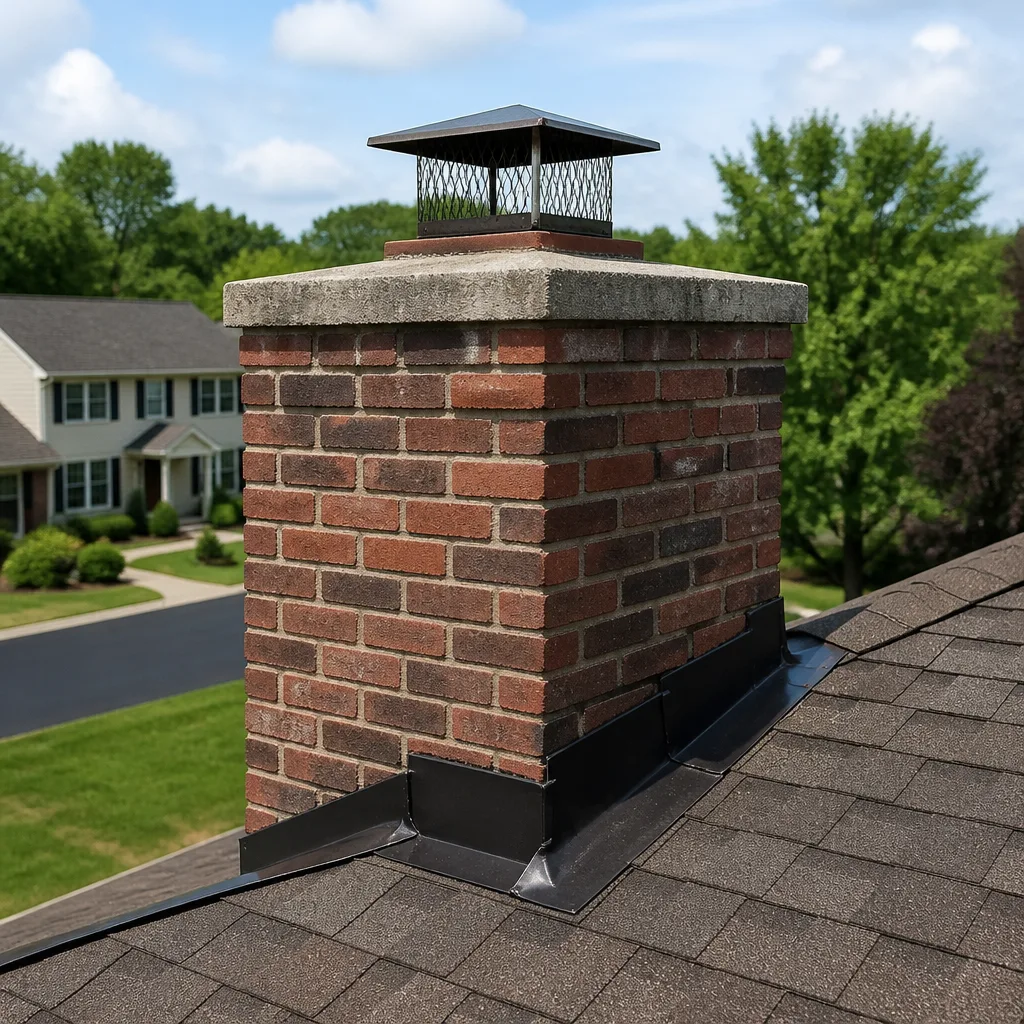 Sweep & inspection
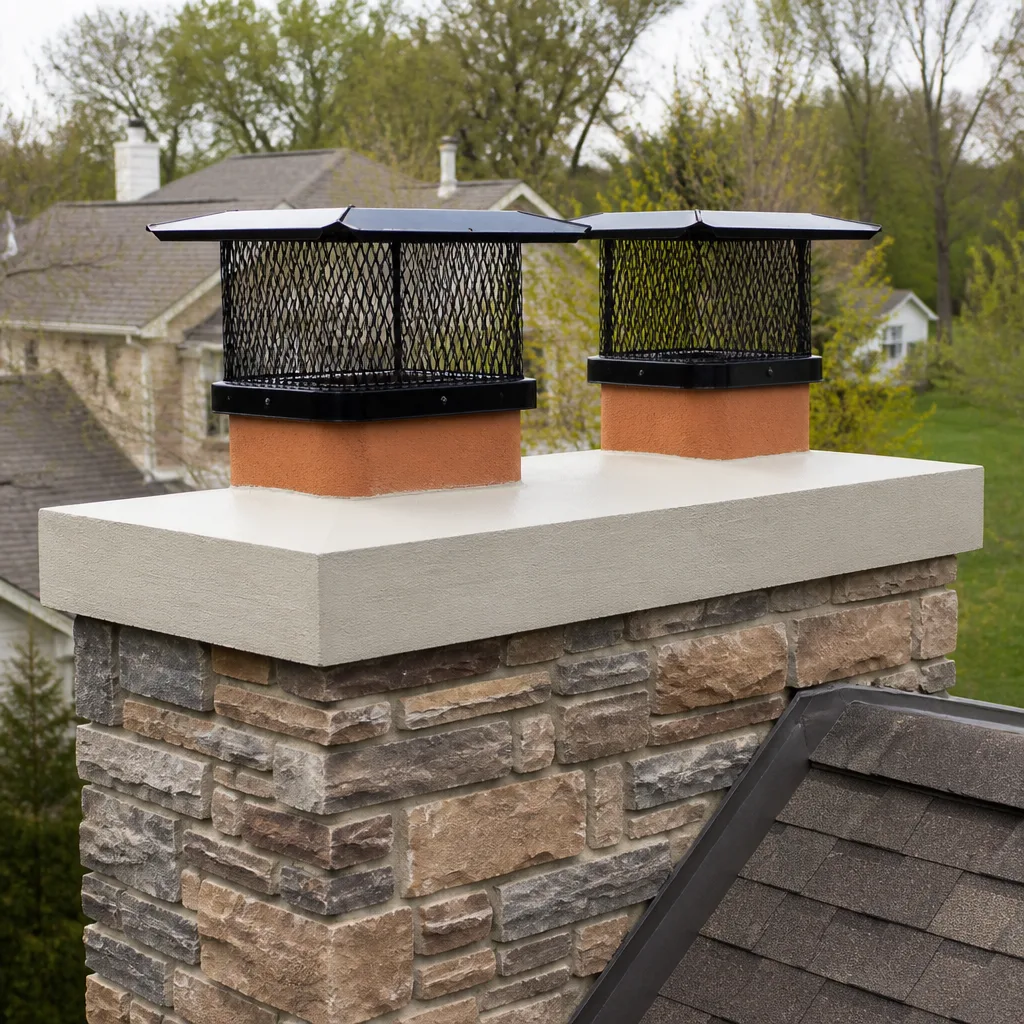 Caps & crowns
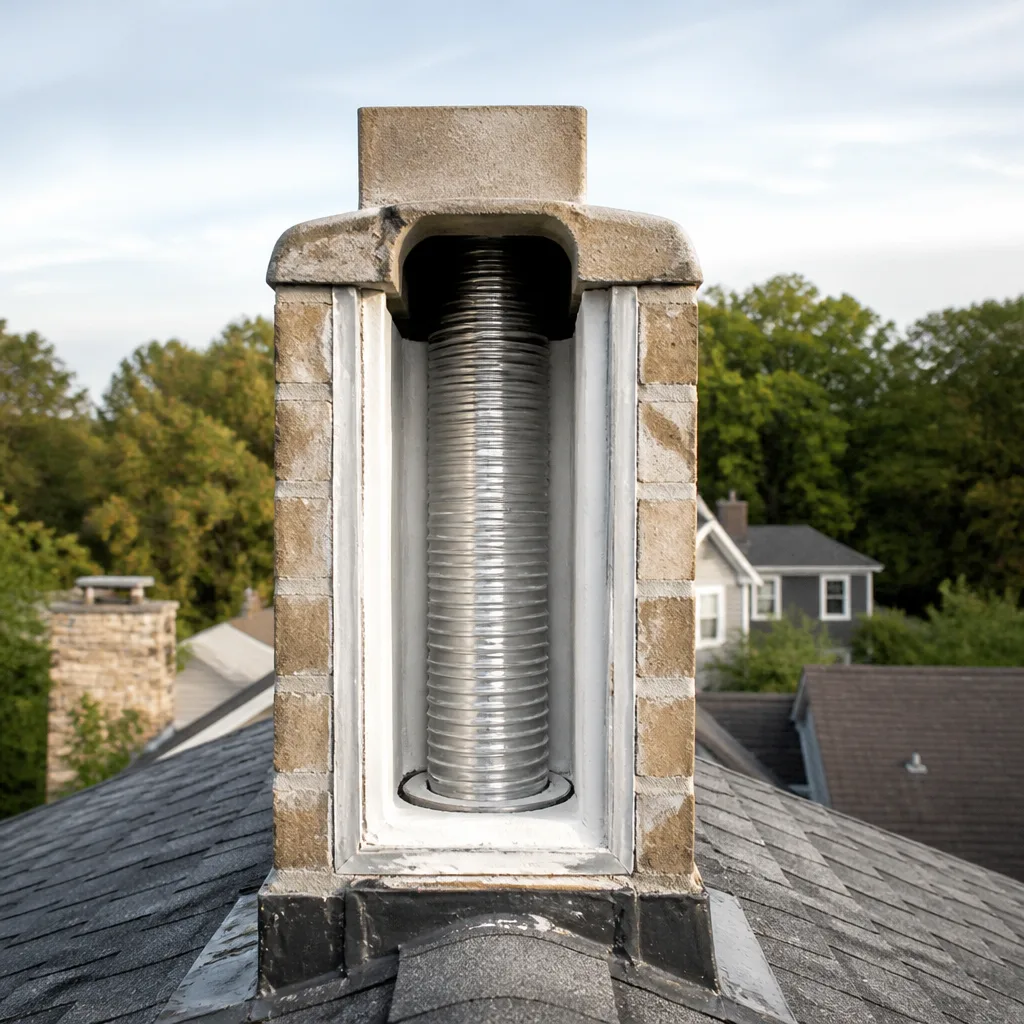 Flue relining
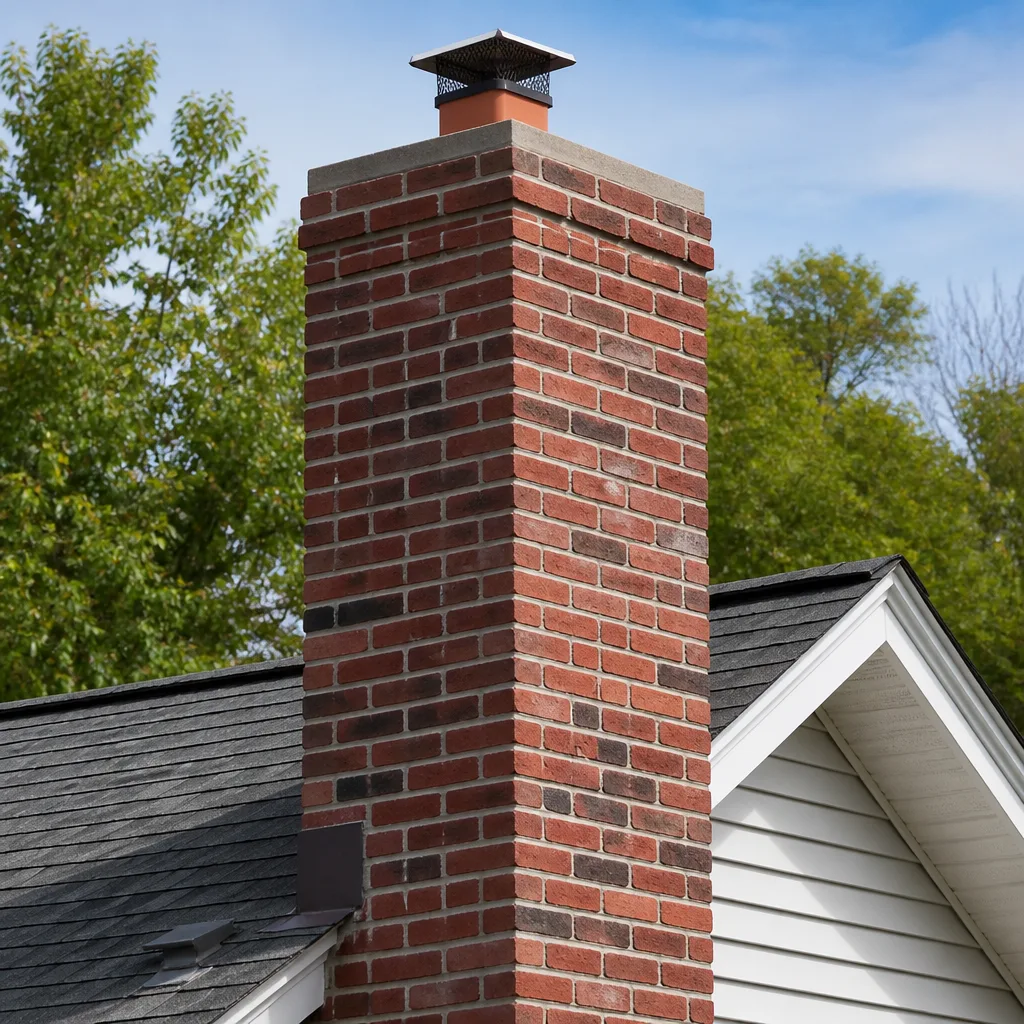 Masonry repair
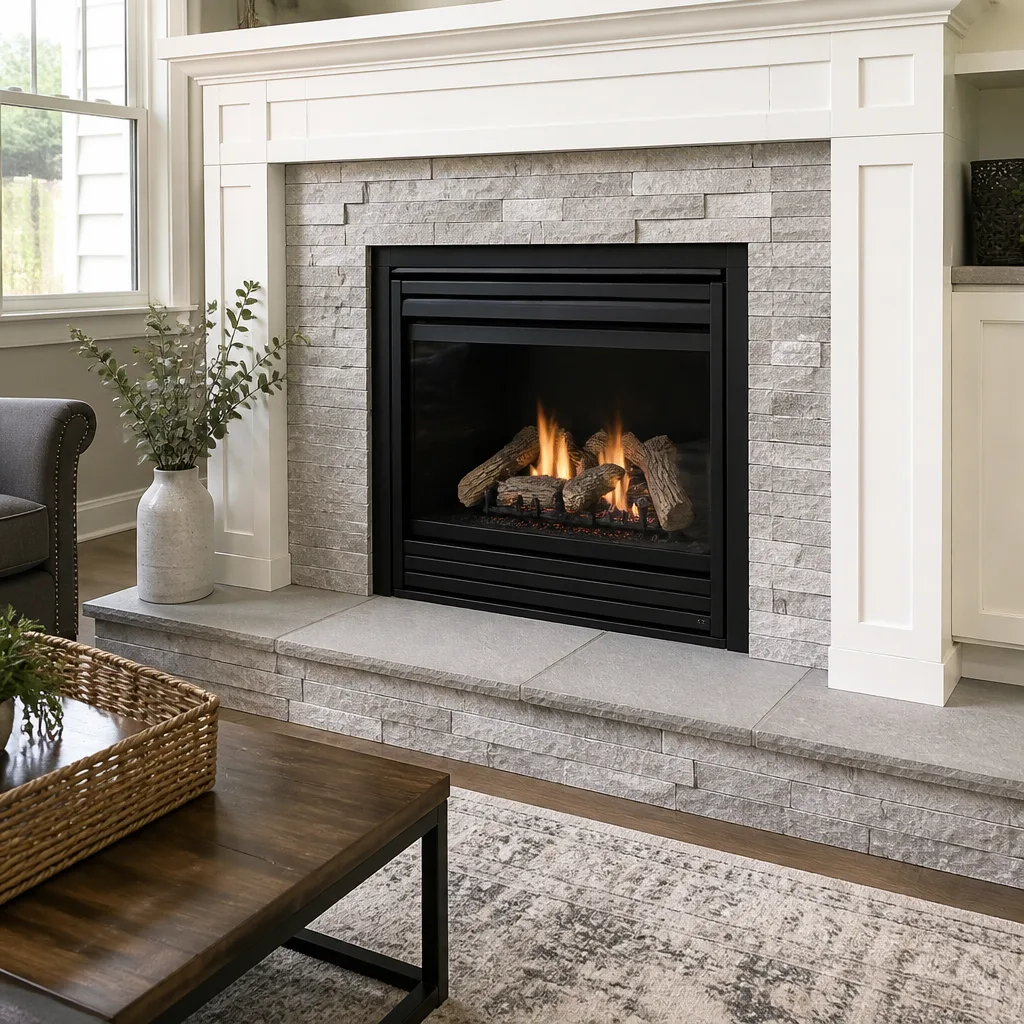 Gas fireplace service
Level 1 sweep and inspection to the NFPA 211 annual standard - flue, crown, cap, and flashing checked and photographed
Chimney sweep logs do not sweep chimneys. They loosen some creosote - which then falls where a brush and vacuum still have to collect it.
Seasonal Chimney Cleaning Care for Downtown Anaheim: Year-Round Homeowner’s Guide
Most chimney care advice you’ll read online was written for a climate that gets real winters. Copying it here doesn’t fit. Downtown Anaheim’s seasons don’t announce themselves the way they do in cold-country guides. There’s no hard freeze, no spring thaw, and no leaf-fall that neatly marks when to book a sweep. What we actually have is a compressed burn window from October through February, a hot dry stretch when Santa Ana winds rake the roofline, and a marine layer that sits over the basin and pushes moisture into anything left standing unused for months. Those three forces, not the calendar on a national checklist, are what should drive your chimney maintenance. This guide lays out a month-by-month plan built for Downtown Anaheim conditions, from the pre-season sweep to post-wind cap checks.
Quick Answer
The best time to sweep a chimney in Downtown Anaheim is late August through September, before the October burn season and before Santa Ana wind season ramps up. Get a full inspection in early spring to catch marine-layer moisture damage, then check the cap, crown, and flashing after every serious Santa Ana wind event. Gas fireplaces need their own seasonal check on the thermocouple and venting, separate from wood-burning care. A clean chimney is a safe chimney, but a sound chimney keeps it that way.
Styles & brands we work with
- Sweep & inspection
- Caps & crowns
- Flue relining
- Masonry repair
- Gas fireplace service
Table of Contents
- Why the National Chimney Calendar Doesn’t Fit Downtown Anaheim
- The Downtown Anaheim Month-by-Month Chimney Calendar
- Marine Layer Moisture and What It Does to Clay Liners
- Post-Santa Ana Wind Inspection Protocol
- The Optimal Pre-Burn-Season Sweep Window
- Gas Fireplace Seasonal Checks That Differ From Wood
- Cap, Crown, Liner, Firebox: Looking at the Whole System
Why the National Chimney Calendar Doesn’t Fit Downtown Anaheim
National chimney advice tells you to sweep in October before the heating season. That schedule was built for the Northeast and Midwest, where the first hard freezes come fast and creosote buildup happens against a backdrop of constant cold. Downtown Anaheim doesn’t work that way. Our burn season is short and compressed, running roughly October through February. October itself is peak Santa Ana wind season, when the dry hot gusts that sweep through the basin are most likely to damage or dislodge a cap. Booking your sweep in October, following the generic advice, means two problems at once: you’re competing for scheduling with every homeowner who read the same checklist, and you’re booking into the exact window when cap and crown damage is most probable.
Then there’s moisture. A chimney that sits unused through the warm months in a climate with a heavy marine layer picks up condensation inside the flue. When that condensation mixes with leftover soot and creosote, it forms an acidic residue that eats at clay liner mortar joints. That damage happens in May and June, not in the dead of winter. By the time you get around to a fall sweep, the liner may already have been quietly degrading for months.
The point isn’t that Downtown Anaheim chimney care is harder. It’s that the timing should match what actually happens here. Inspect in spring, sweep in late summer, watch the cap after every wind event. That rhythm protects the system through the whole year instead of just the five months you’re burning.
The Downtown Anaheim Month-by-Month Chimney Calendar
Here’s a practical calendar mapped to Downtown Anaheim conditions rather than textbook seasons. Print it out or save it. Each task matches an environmental event, not a generic reminder.
- January and February, mid-burn season: Check the firebox and flue for creosote buildup after several weeks of steady use. Watch for smoke rolling back into the room, which can signal a partial blockage. If you burn hardwood daily, plan a mid-season look.
- March and April, end of burn season: Book a full inspection once the burning stops. This captures winter wear, any creosote left in the flue, and any damage that appeared during the burn window. It’s the honest starting point before any recommendation gets made.
- May and June, marine layer months: The overcast settles in. Unused chimneys pull damp air and condensation. This is the peak window for liner mortar damage. Confirm the cap is intact and sealing the flue from rain and damp air.
- July and August, dry heat: Check the crown for hairline cracks that open up in sustained dry heat. Any crack lets water in the moment rain returns. This is also the ideal time to schedule the fall sweep before the late-summer booking surge.
- September, pre-season: The optimal sweep window. The flue gets cleared before the first fire, and you’re ahead of October’s rush. Any repair found during the sweep can be done before burn season, not after.
- October and November, Santa Ana wind season: After any high-wind event, walk the roofline and check the cap, crown, and flashing. Wind damage to a cap is the most common entry point for water, animals, and debris.
- December, peak burn: Keep an eye on draft and smoke behavior. If the fireplace starts smoking into the room, stop using it and get it inspected.
That calendar covers a full year in Downtown Anaheim without a single freeze-thaw reference. It works because it maps to what actually happens on this ground.
Marine Layer Moisture and What It Does to Clay Liners
May and June in Downtown Anaheim are the overcast months. The marine layer sits over the basin and keeps the mornings gray and the air damp well into the day. You’ve seen it. For a chimney that’s already stopped burning for the season, that constant moisture is the quiet threat. Clay tile liners are joined with mortar. Those mortar joints look solid, but they’re porous. When damp air sits in an unused flue for weeks, condensation forms on the cooler interior surfaces. Any leftover soot and creosote in the flue dissolves into that condensation and turns mildly acidic. Over a few seasons, that combination softens and erodes the mortar joints between tiles.
The damage is invisible from the firebox. It shows up on a camera inspection or during a sweep, when a technician finds crumbling joint material or a tile that’s shifted. Cracks and gaps in the liner let heat and combustion gases escape into the surrounding structure, which is exactly what a liner is there to prevent. This is why we inspect first and recommend second, and why the inspection is a standalone service rather than a checkbox before an upsell. Nothing gets recommended on your chimney without camera evidence you can see for yourself.
What to check during marine layer season
- Is the cap pulling its weight? A properly fitted cap with mesh screening keeps rain and damp air out of the flue and stops birds and debris from nesting inside. A loose or missing cap lets the marine layer do its work unimpeded. A chimney cap & crown fitted correctly is the first line of defense in these months.
- Is the crown shedding water? Hairline cracks in the concrete crown let water seep into the masonry below. In the damp months that moisture has nowhere to go. Crown repair or replacement stops the cycle.
- Is the damper closed? A damper left open lets the marine layer enter the flue directly. Close it at the end of burn season.
- Is the flue clean? Soot left in the flue is what turns condensation acidic. A sweep before the damp months removes that fuel.
We use DuraFlex and HeatShield liner systems when a liner does need attention. HeatShield is a liner restoration process for older or damaged flues, and it’s a capability most sweep-only operators don’t carry. If a camera inspection shows eroded joints in a clay liner, restoration may be able to save the existing flue rather than requiring a full reline. That’s a real option worth knowing about before anyone tells you the liner has to come out.
Post-Santa Ana Wind Inspection Protocol
Santa Ana winds are the local event that does the most sudden damage to a chimney. Dry, hot, gusting through the basin, often from October into the winter. When a strong gust hits a rooftop, the chimney cap takes the brunt. Caps loosen, mesh screens tear, and occasionally a cap lifts or shifts entirely. The crown can crack under the mechanical stress. Flashing, the metal that seals where the chimney meets the roof, can lift at a seam. Any of these openings lets water in during the next rain. The problem is the damage often isn’t visible from the ground. A short walk on the roof or a look with binoculars from the yard is the honest first step after a serious wind event.
What to check after a high-wind event
- Cap: Is it still firmly seated and level? Look for a lifted edge, a torn mesh screen, or a cap that’s shifted off center. A loose cap needs repair before the next rain.
- Crown: Look for new cracks or a chip at the crown’s edge. Wind stress can pop open a hairline crack that was stable in the dry heat.
- Flashing: Check where the metal meets the roof and the chimney. A lifted corner or a separated seal is a water path. Reseal or replace.
- Cap mesh: Torn screening is an open door for birds and debris. If the mesh is compromised, repair or replace the cap.
- Masonry joints: Look for mortar that’s cracked or fallen out along the visible brick or block above the roofline.
A thorough inspection after a Santa Ana event catches all of that in one pass. We work with Olympia Chimney and Gelco caps and components for replacements, so a repair after the wind doesn’t turn into a weeks-long wait for parts. Cap, crown, liner, firebox: the whole system gets looked at, not just the part that caught the gust.
The Optimal Pre-Burn-Season Sweep Window
In Downtown Anaheim, the ideal window for a pre-season chimney sweep is late August through September. Booking the sweep in that window does three things. First, it clears the creosote and soot out of the flue before the first fire of the season, when buildup from the previous burn season is thickest. Second, it happens before October, when every homeowner following the national calendar tries to book at once and scheduling gets tight. Third, it happens before Santa Ana season peaks, so any problem the sweep turns up, a loose cap, a cracked crown, a damaged liner joint, can be repaired before the wind and the burning both start.
Why waiting until October creates risk
- Scheduling pressure: Every homeowner who reads “sweep in October” tries to book in October. Late August and September are wide open by comparison.
- Creosote stays in the flue through the damp months: Soot left in the flue through the marine layer months feeds the acidic residue that damages clay liners.
- Repairs found in October have to be rushed: A damaged cap found in September gets replaced before the wind. Found in October, it competes with peak demand for the same technician time.
- You want the system clean and sound before the first burn, not after: Creosote is what fuels a chimney fire. A clean flue is the cheapest fire prevention there is.
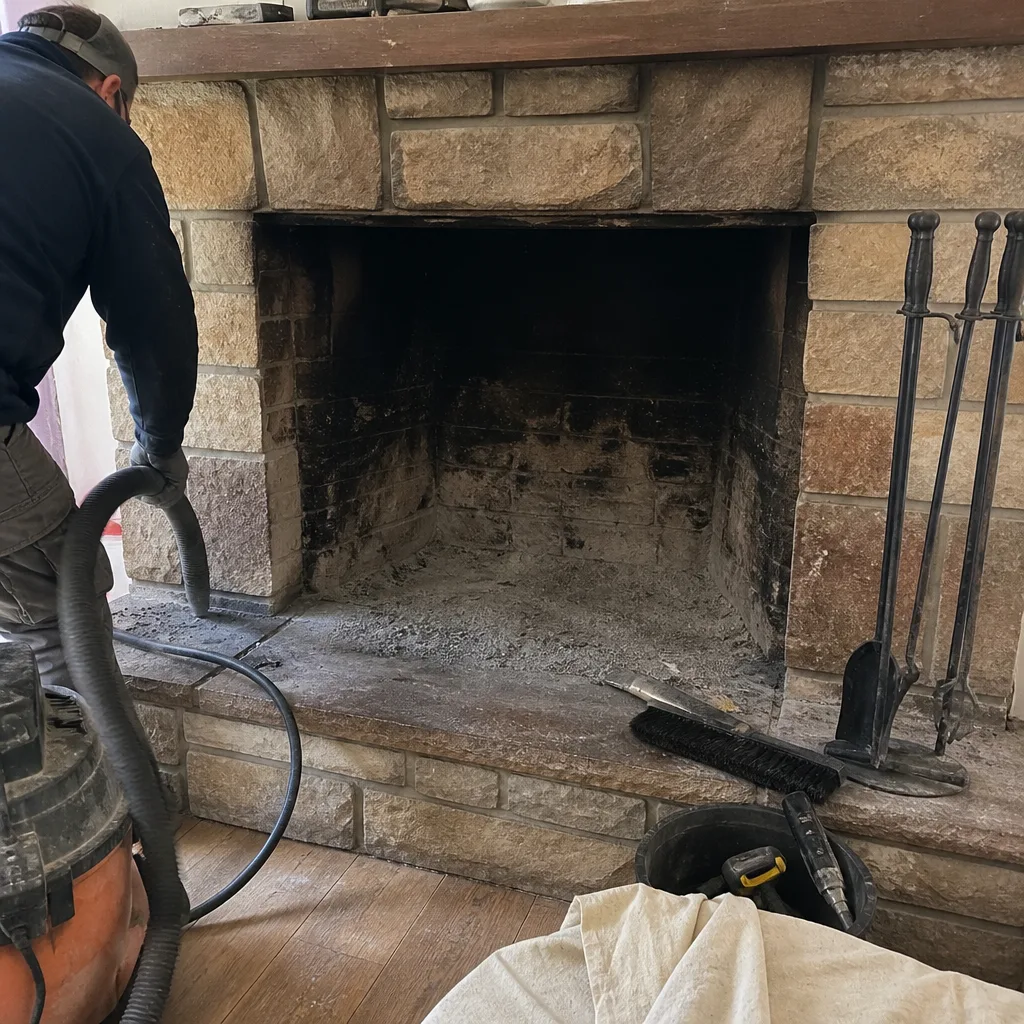
The sweep itself is a routine job. A technician brushes the flue, uses a camera to inspect the interior of the liner, cleans the firebox and smoke chamber, and gives you a photo report of what was found. You see what they see. If the flue is clear and the liner is sound, that’s the whole visit. If something needs attention, you get a written estimate for that specific repair, and no work happens without your approval.
A clean chimney is a safe chimney, but a sound chimney keeps it that way. The pre-season window is where those two goals line up.
Gas Fireplace Seasonal Checks That Differ From Wood
A gas fireplace doesn’t have creosote to sweep, but that doesn’t mean it gets a free pass. Gas units have two seasonal checkpoints that wood-burning fireplaces don’t: the thermocouple and venting condensate. The thermocouple is the sensor that tells the gas valve the pilot flame is lit and safe to send gas to the burner. If the thermocouple drifts or fails, the pilot flame can flicker out or the burner can refuse to light, and the safety shutoff can become unreliable. A proper seasonal check tests the thermocouple and confirms the safety shutoff is working, which is well within the scope of a fireplace repair visit before the heating season begins. It’s a simple check that most homeowners skip because the fireplace “still lights.”
Venting condensate is the second issue. Gas fireplaces produce moisture as a byproduct of combustion. That moisture travels up the vent and can condense on cooler interior vent surfaces, especially in the shoulder months when the flue is cold and the fireplace runs for short periods. The condensate drips back down, corroding the vent components over time. A pre-season check verifies the vent is clear and properly sealed, and that the termination outside is undamaged. After a Santa Ana wind event, that outdoor termination gets checked along with the cap. Gas fireplaces with a direct vent are especially vulnerable to wind damage at the termination wall or roof point.
Gas fireplace seasonal checklist
- Pilot and thermocouple: Confirm the pilot lights reliably and the safety shutoff engages.
- Burner and logs: Look for soot streaking, which signals incomplete combustion and needs attention.
- Vent termination: Check for wind damage, insect screens, and debris after a Santa Ana event.
- Glass and gasket: Confirm the glass is sealed and the gasket hasn’t hardened or cracked.
- Venting condensate: Look for drips, staining, or corrosion on the vent runs.
Gas fireplace repair is one of our five service categories, so a seasonal gas check and any repair it turns up stay with the same specialist. No referral gap, no handoff to a second contractor.
Cap, Crown, Liner, Firebox: Looking at the Whole System
A chimney is a system, not a flue. Most homeowner care focuses on the sweep, but the sweep only cleans the part you can reach with a brush. The system includes the cap that keeps weather and animals out, the crown that sheds water off the top of the stack, the liner that protects the framing from heat, the firebox where the fire actually burns, and the flashing that seals the roof penetration. A problem in any one of those components compromises the rest. A missing cap lets water into the flue and damages the liner. A cracked crown lets water soak into the masonry and then the flashing fails. The whole system has to be inspected for the inspection to be meaningful. That’s why we offer inspection as a standalone service, and why we can do the cap, crown, liner, and firebox work without sending you to a different contractor.
We work with a portfolio of professional-grade chimney brands. DuraFlex and HeatShield for liner systems. Olympia Chimney and Gelco for caps and components. Famco and Copperfield for the parts and systems that complete the stack. The brand matters less than the fit and installation, but knowing the products means a repair is matched to the system, not improvised from generic parts. When a camera inspection turns up a problem, the recommendation is specific to your chimney and backed by the evidence you saw on the camera. For the full range of what we handle across the system, that’s what our Chimney Sweep Downtown Anaheim service covers.
The single-provider model matters most here. Diagnosis, cleaning, and repair all get handled by the same specialist team. There’s no referral delay that lets a small repair grow into a structural one while you wait for a second contractor who may not even do that kind of work.
Common Mistakes to Avoid
- Following the October sweep advice. That calendar was written for cold climates. In Downtown Anaheim it puts you in the middle of Santa Ana season and peak scheduling demand. Sweep in late August or September instead.
- Assuming a gas fireplace needs no maintenance. Gas units skip the creosote but not the thermocouple check or the venting condensate inspection. Skipping those leaves a safety issue unaddressed.
- Waiting for the annual sweep to check the cap. Santa Ana winds can damage a cap in a single afternoon. A post-wind check after every serious event catches that before the next rain.
- Ignoring the marine layer months. An unused chimney in May and June picks up condensation that damages clay liner mortar joints. Confirm the cap and damper are doing their jobs during the damp stretch.
- Treating the flue as the whole chimney. A sweep that only cleans the flue misses the crown, flashing, and cap, which are where water gets in. Get the whole system inspected.
- Booking the sweep in the middle of the burn season. Once you’re burning in November and December, the flue is in use and a mid-season inspection is a disruption. Get ahead of the burn window.
- Hiring a sweep-only operator for a real repair. If the inspection finds a damaged liner or a cracked crown, a sweep-only operator refers you out and you’re starting over. Choose a provider who can do the repair too.
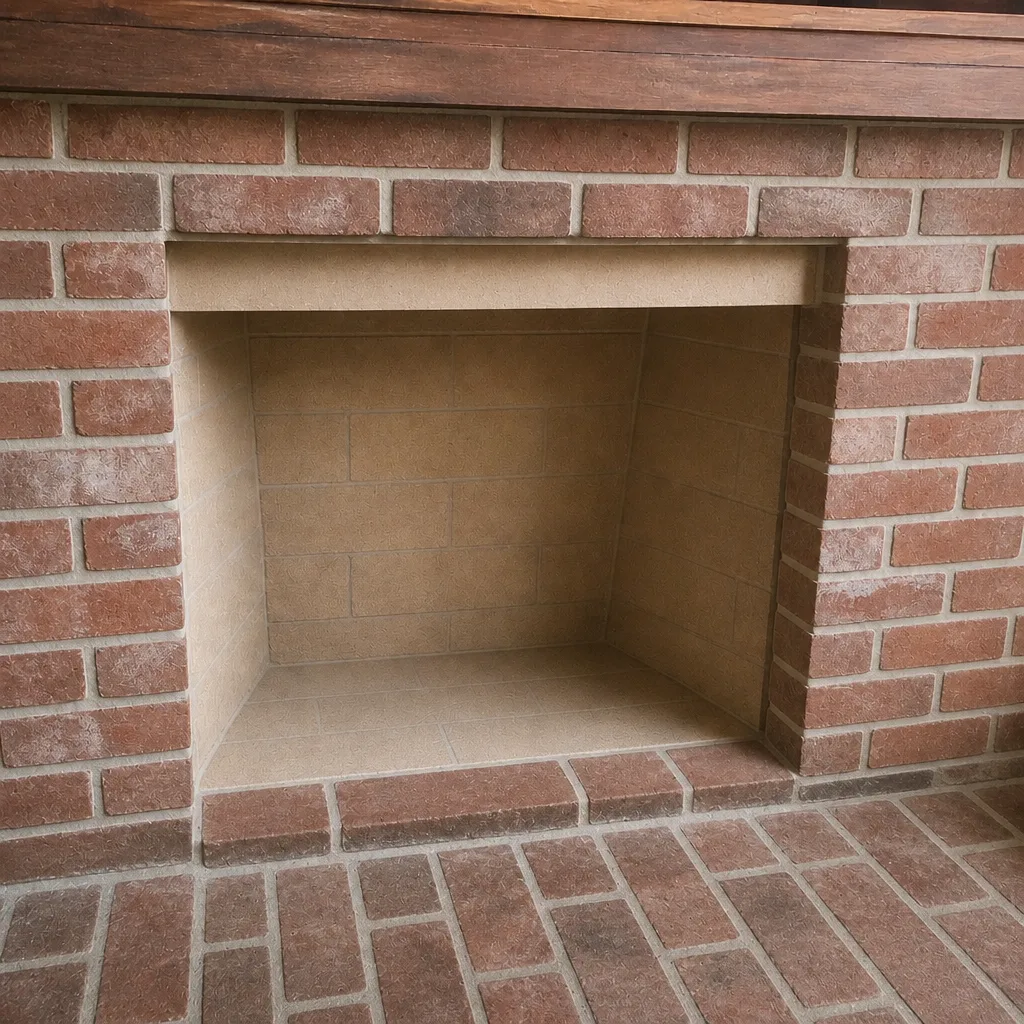
See the difference
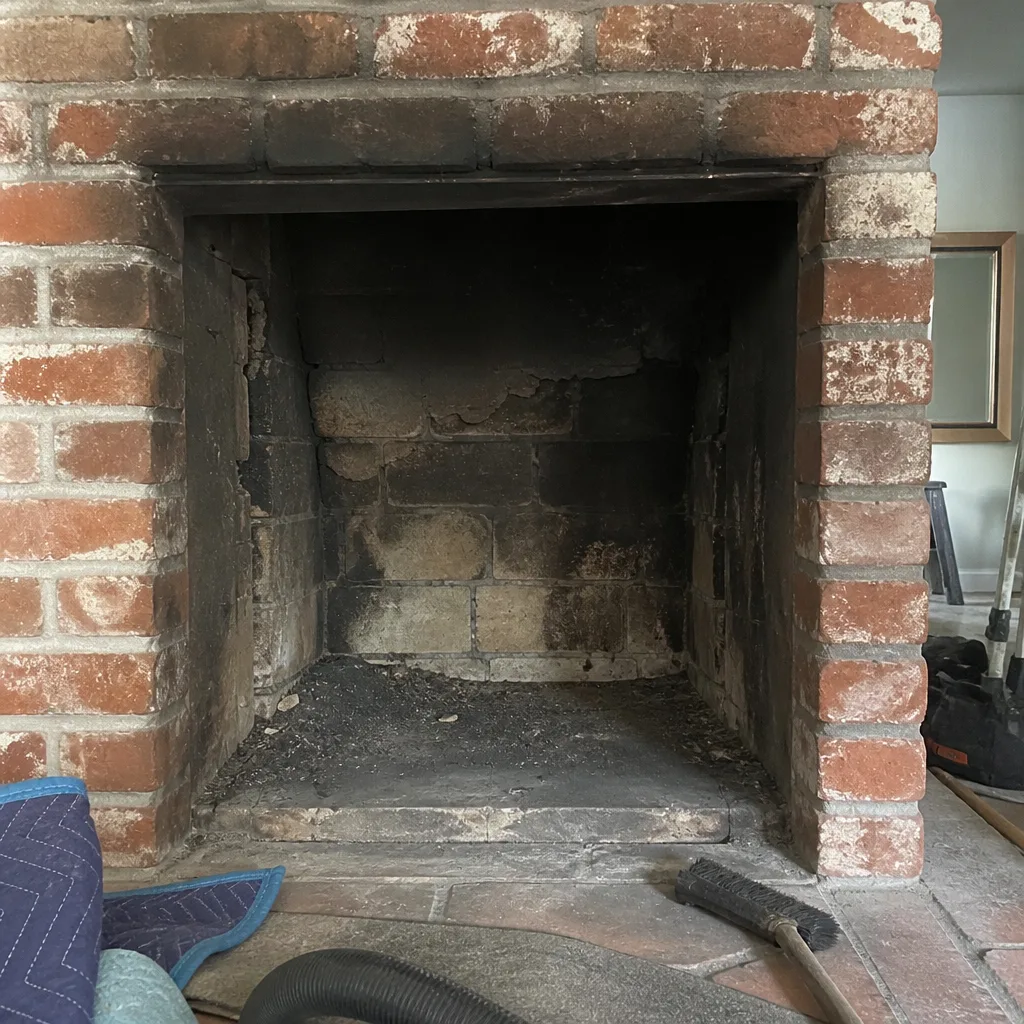 Before
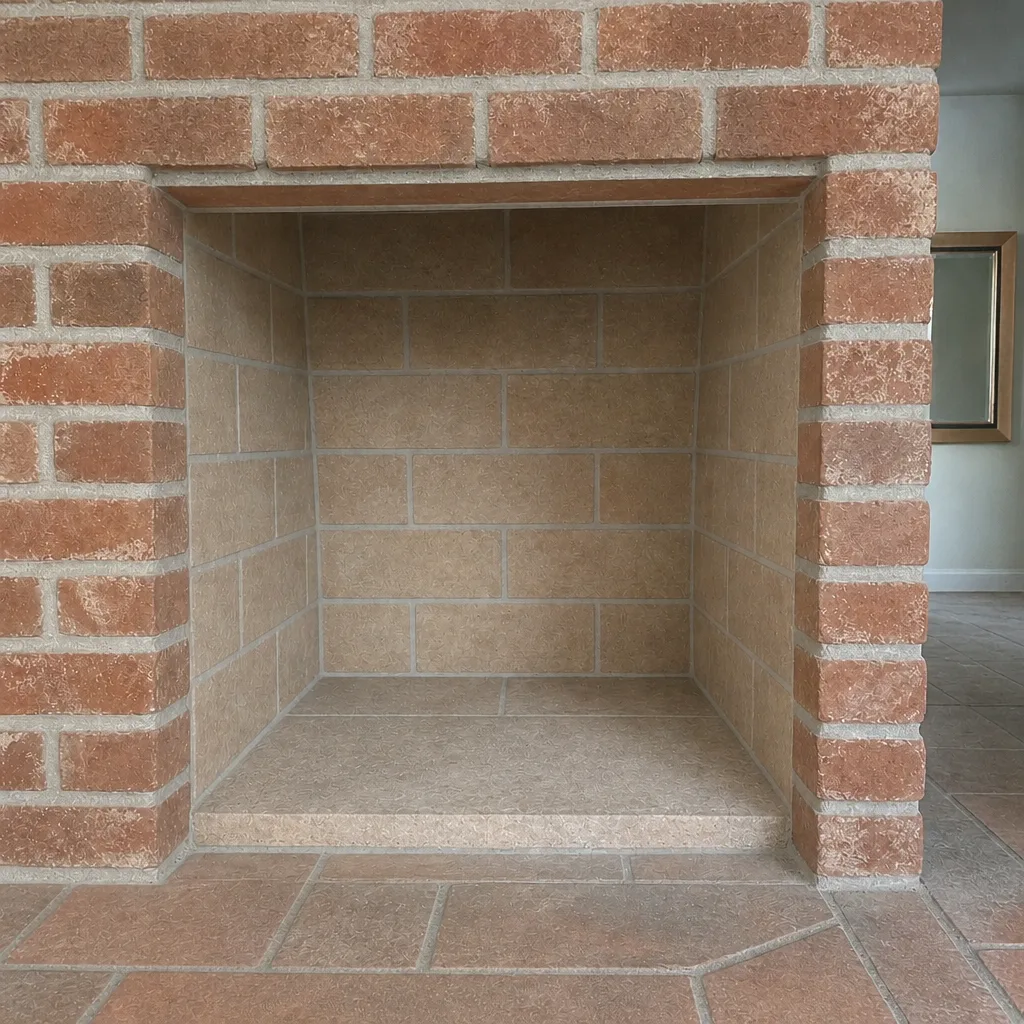 After
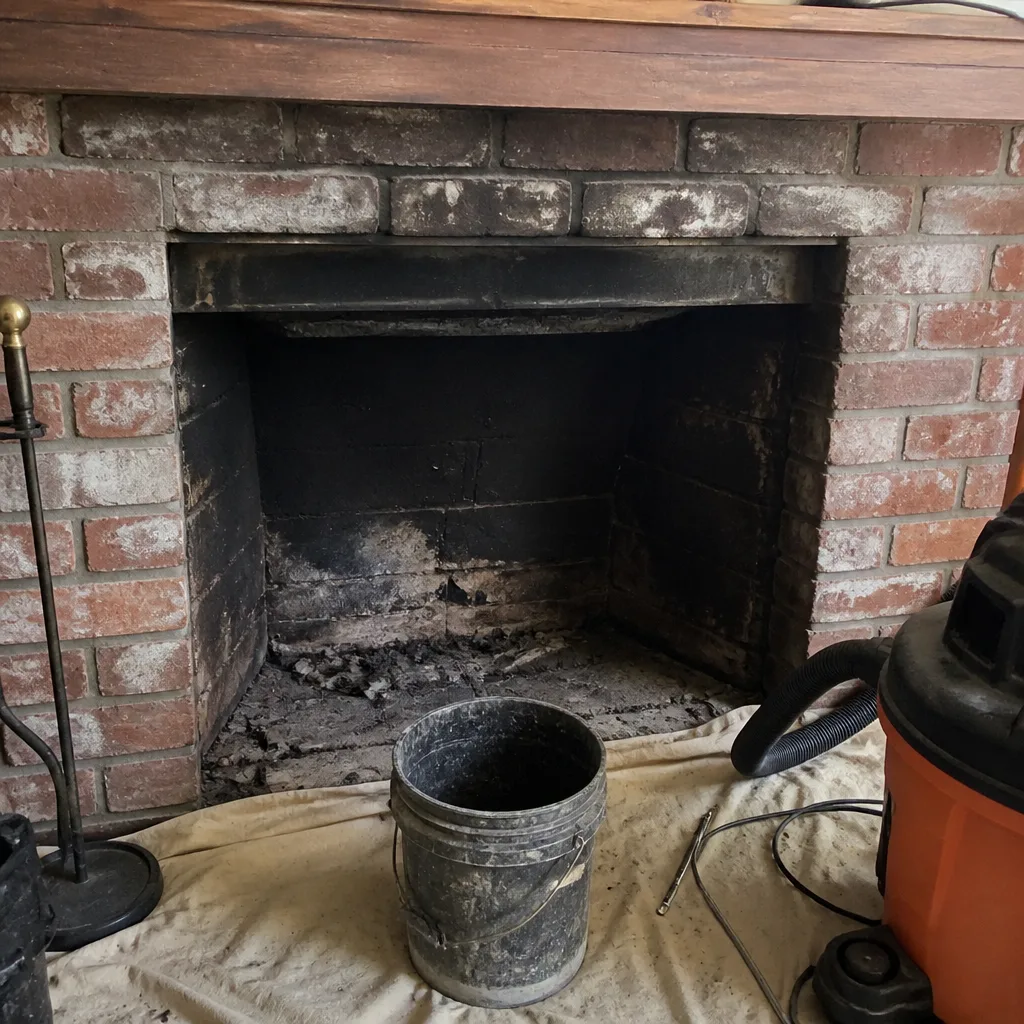 Before
 After
 Before
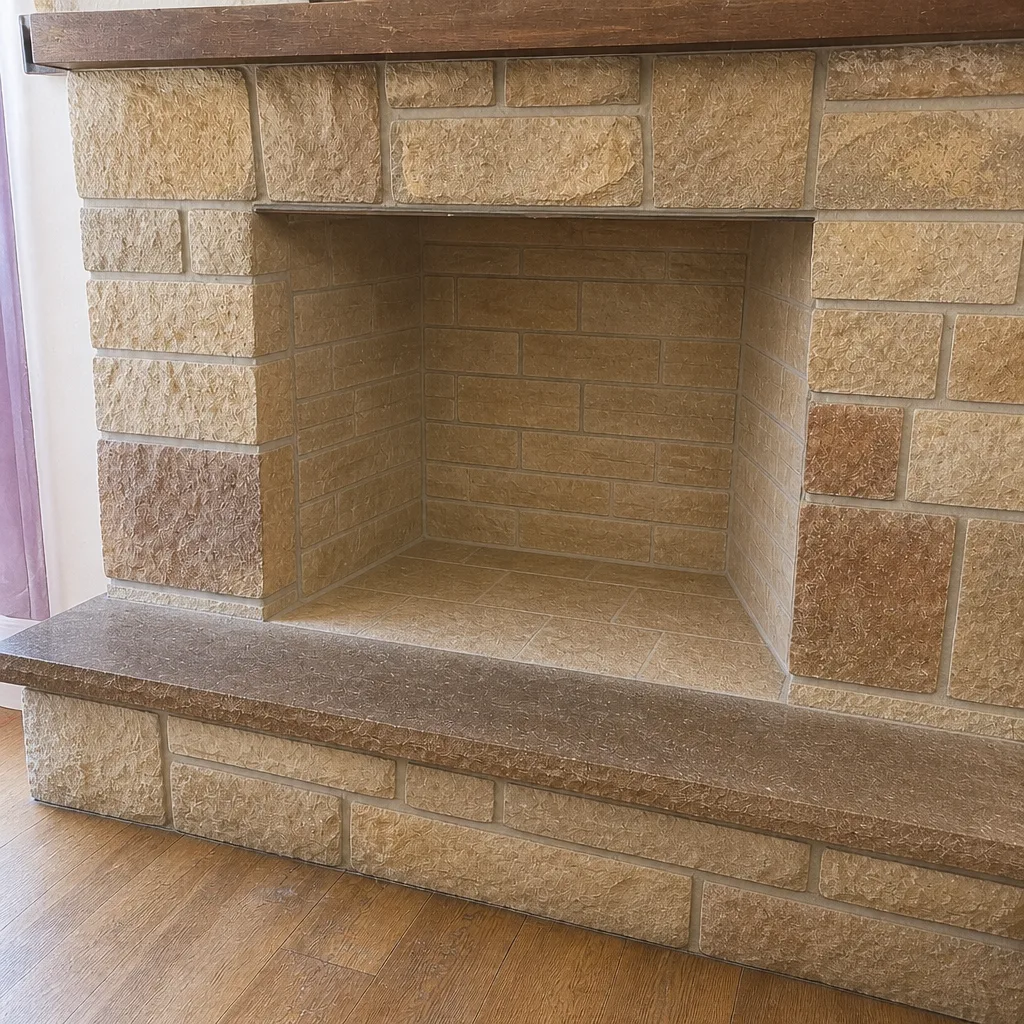 After
When to Call a Professional
Call a professional when you’re due for the pre-season sweep in late August or September. Call after any Santa Ana wind event that leaves you unsure about the cap or flashing. Call if the fireplace smokes back into the room, if you smell gas from a gas fireplace, if you see soot streaking on the firebox, or if you’ve moved into an older Downtown Anaheim home and don’t know the chimney’s service history. Call before burn season starts if you plan to use the fireplace regularly through the winter. Chimney Sweep Downtown Anaheim offers free estimates in Downtown Anaheim. Call (855) 658-5274. We answer 24/7. Fast dispatch from 7am to 7pm, Sunday through Friday.
Our technicians have up to 10 years of experience, and every estimate is free and written before any work begins. A call outside dispatch hours is booked into the next opening, Sunday through Friday, 7am to 7pm.
Frequently Asked Questions
The ideal window is late August through September, before the October through February burn season and before Santa Ana wind season peaks. Booking then gets you a clean flue, catches any repair before it’s needed, and avoids the October scheduling crunch that follows the national advice. Call (855) 658-5274 for an exact quote; estimates are free.
Yes, because the problems an inspection catches are the ones you can’t feel from the firebox. A cracked crown, a damaged clay liner joint, or a loosened flashing seam won’t change how the fire burns, but they let water and heat into places the system is built to protect. We inspect first and recommend second, and nothing gets recommended without camera evidence you can see yourself.
The May and June overcast pushes damp air into an unused flue, which condenses on the cooler liner surfaces. That condensation turns leftover soot and creosote mildly acidic and slowly erodes the mortar joints between clay tiles. A properly fitted cap and a closed damper are the first defenses. An early-spring inspection catches joint damage before it grows. Call (855) 658-5274 for an exact quote; estimates are free.
Check the cap, crown, and flashing. A loose cap, a new crown crack, or a lifted flashing seam is the most common wind damage, and any of those lets water in during the next rain. Torn cap mesh is also an open door for birds. If you can’t safely get on the roof to look, an inspection handles it in one pass. Call (855) 658-5274 for an exact quote; estimates are free.
Yes, just a different kind. A gas fireplace has no creosote to sweep, but the thermocouple and the venting need a seasonal check. The thermocouple is the safety sensor that confirms the pilot is lit and the gas valve can send fuel. Venting condensate can corrode the vent components if it isn’t checked, especially after a windy fall. A pre-season fireplace repair visit covers both.
We can fix it. Our five services are chimney sweeping, chimney inspection, chimney cap and crown installation, fireplace repair, and chimney repair. That means diagnosis, cleaning, and repair are all handled by the same specialist team. If the camera inspection shows a damaged liner, our HeatShield liner restoration capability lets us address it without sending you to a different company.
The Bottom Line
Downtown Anaheim’s chimney seasons don’t follow the national calendar. Your maintenance timing shouldn’t either. Map the year to what actually happens here: sweep in late August through September, inspect in early spring, check the cap and crown after every Santa Ana wind event, and confirm the cap and damper are holding off the marine layer through May and June. Gas fireplaces get their own seasonal check on the thermocouple and venting. Get the whole system inspected, not just the flue, and choose a provider who can do the repair as well as the sweep. A clean chimney is a safe chimney, but a sound chimney keeps it that way.
Call (855) 658-5274 for a free estimate. We answer 24/7, with fast dispatch from 7am to 7pm, Sunday through Friday.
Written by the team at Chimney Sweep Downtown Anaheim.