
Last updated November 24, 2026
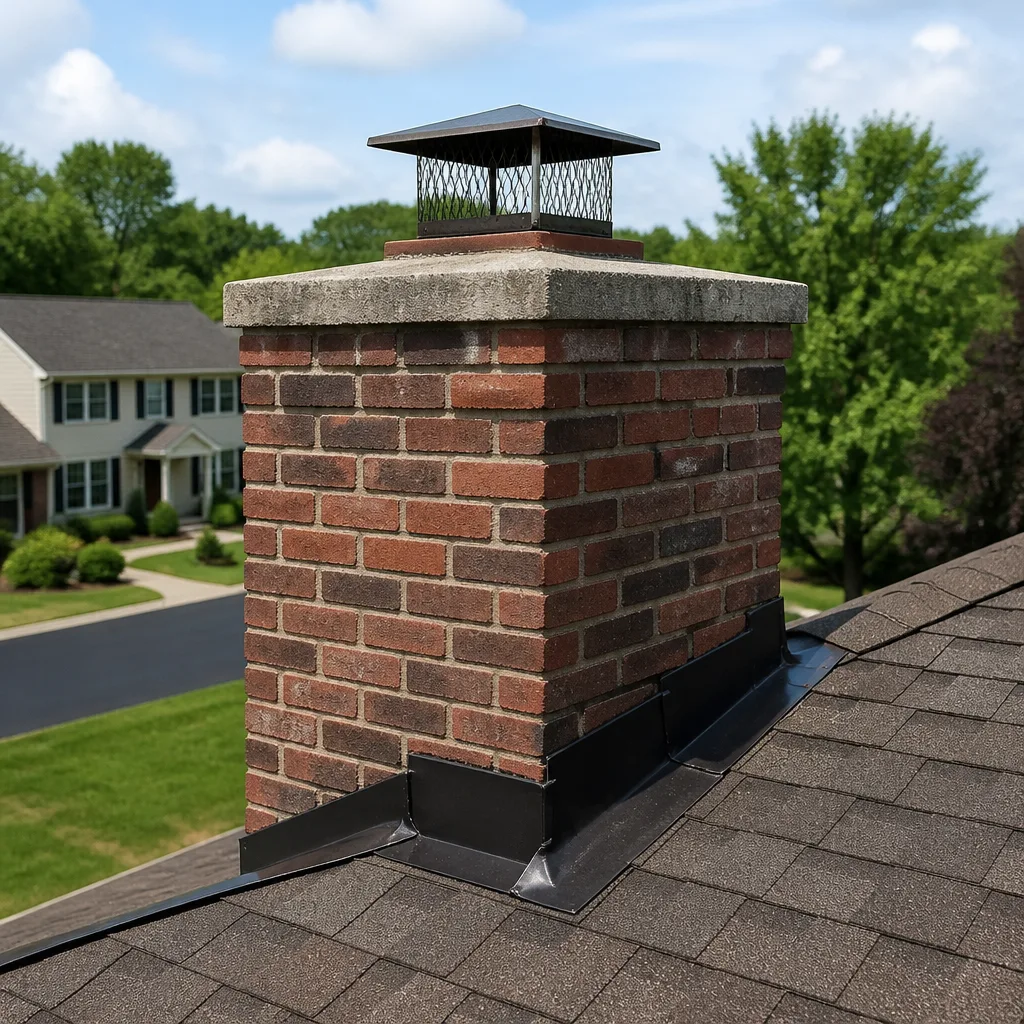 Sweep & inspection
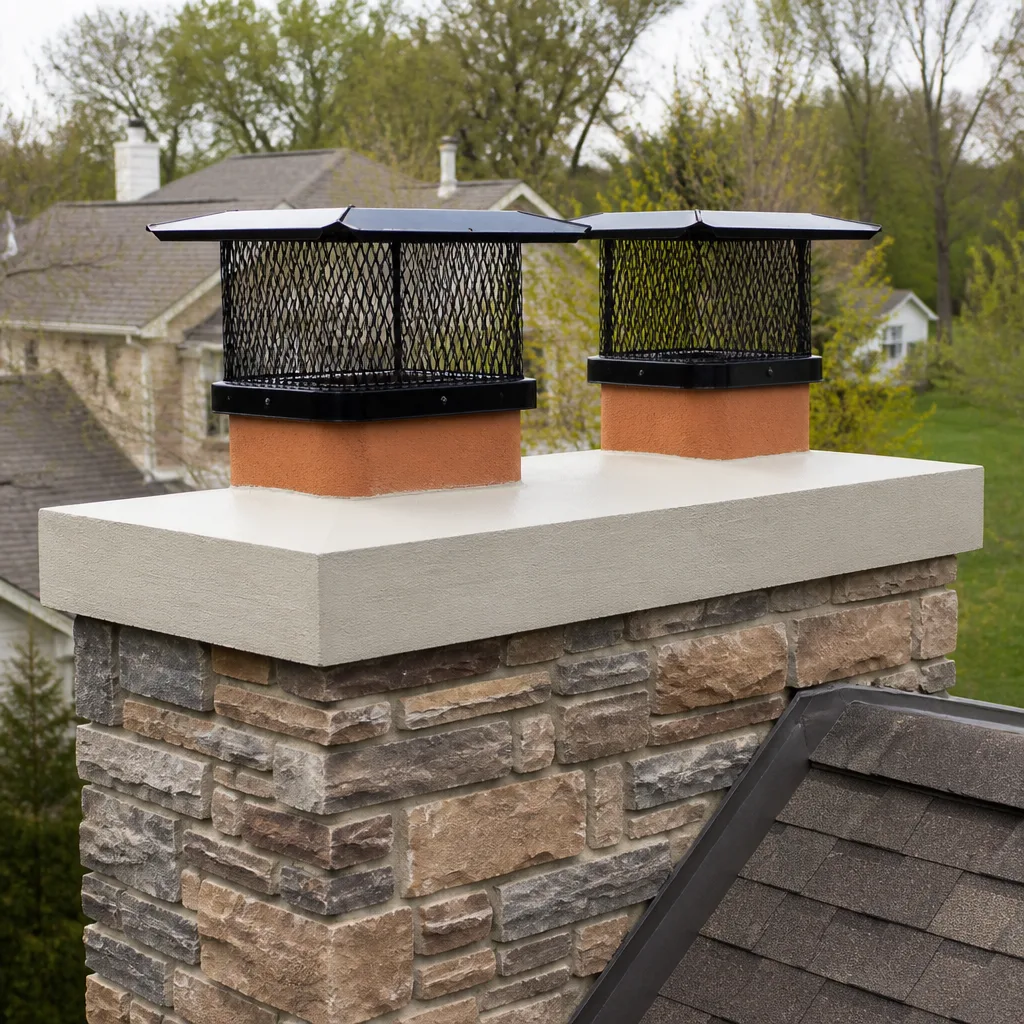 Caps & crowns
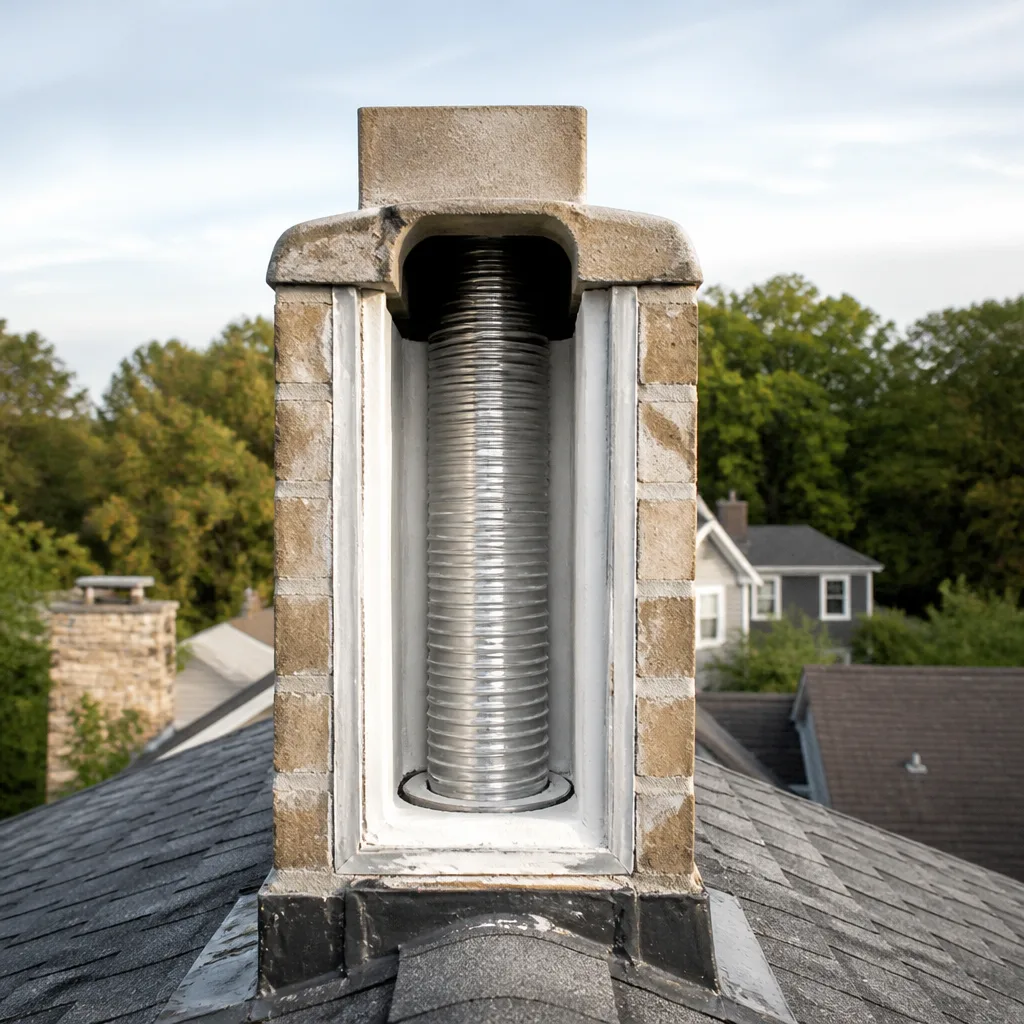 Flue relining
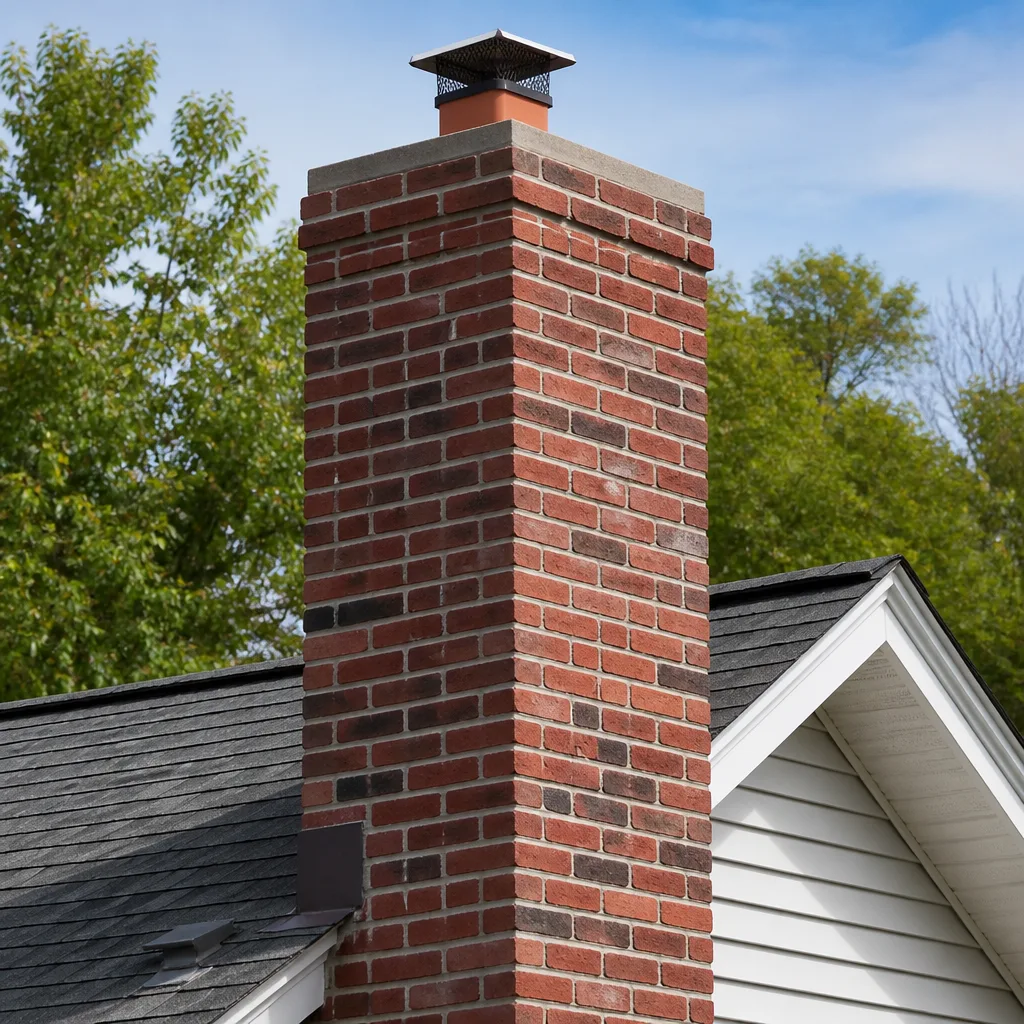 Masonry repair
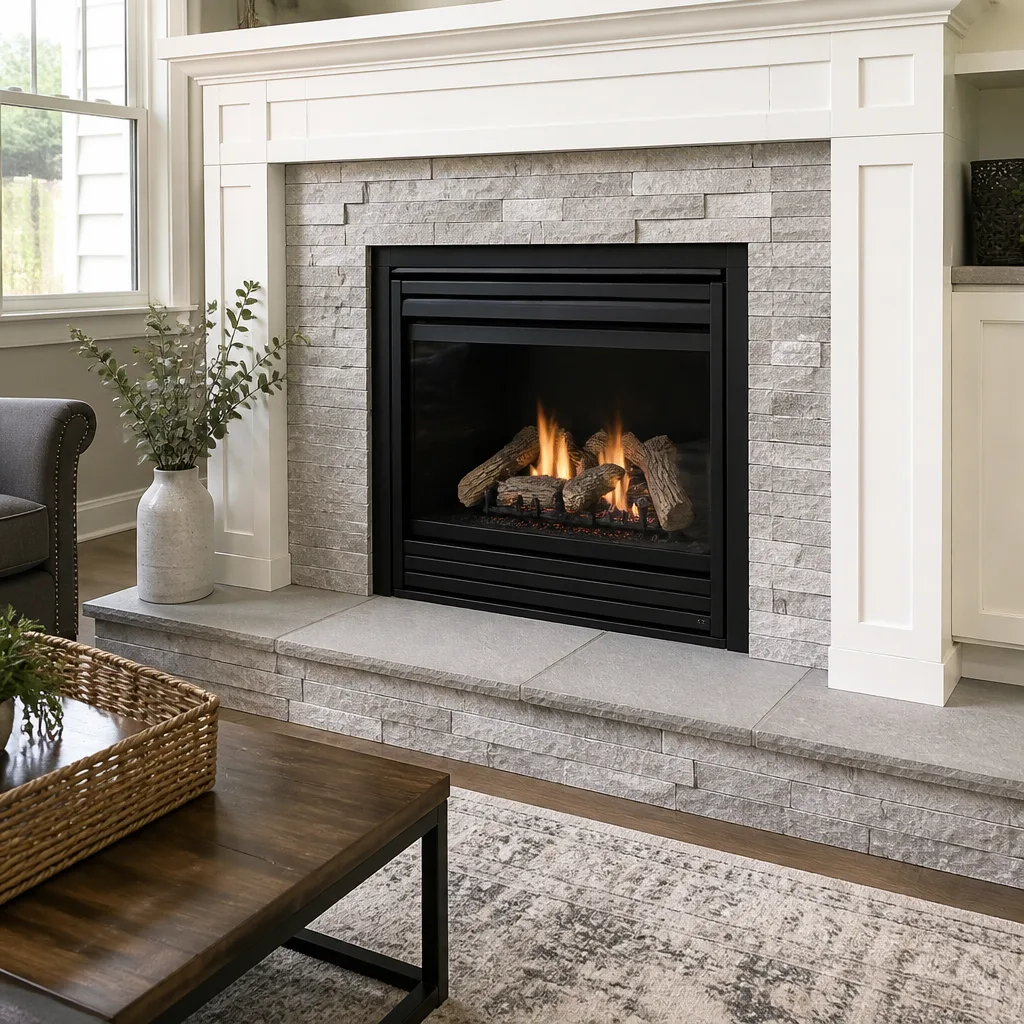 Gas fireplace service
Level 1 sweep and inspection to the NFPA 211 annual standard - flue, crown, cap, and flashing checked and photographed
Chimney sweep logs do not sweep chimneys. They loosen some creosote - which then falls where a brush and vacuum still have to collect it.
Chimney Cleaning Permits, Codes & Inspections in Downtown Anaheim, CA: What You Need to Know
Most homeowners assume a chimney sweep is the whole story. A technician comes out, brushes the flue, and that’s that. But in California, the work that happens beyond a routine cleaning – relining a flue, rebuilding a crown, swapping out a firebox – sits inside a regulatory web that spans state energy code, local fire code, and national chimney standards. A relining job done without an Orange County building permit is not just a code violation; it’s a liability that can complicate your homeowner’s insurance coverage and trip up a home sale the moment an inspector pulls the permit history. This guide walks through the permit landscape, how NFPA 211 interacts with local codes, what a Level 2 inspection triggers, and how CARB curtailment rules affect chimney use in Orange County. If you burn wood in Downtown Anaheim, this is what you need on file.
Quick Answer
A routine chimney sweep in Downtown Anaheim is maintenance and does not require a permit. Liner replacement, crown rebuilds, structural chimney repair, and many cap installations are construction work that generally requires a building permit from the City of Anaheim and a final inspection on record. Inspections themselves (Level 1, 2, or 3) never require a permit – they’re a diagnostic service, not construction. When in doubt, ask the city’s building department before work begins.
Styles & brands we work with
- Sweep & inspection
- Caps & crowns
- Flue relining
- Masonry repair
- Gas fireplace service
Table of Contents
- Which Chimney Work in Anaheim Requires a Permit (and What Doesn’t)
- How NFPA 211 Interacts With Orange County Fire Codes
- What a Level 2 Inspection Triggers Before a Home Sale Closes
- CARB Wood-Burning Rules and Chimney Use in Orange County
- How to Verify a Chimney Job Was Properly Permitted and Inspected
- What to Do If Previous Owners Left Unpermitted Chimney Work
- How to Choose a Chimney Contractor Who Works Legally in Anaheim
- How Often to Schedule a Chimney Inspection in Downtown Anaheim
Which Chimney Work in Anaheim Requires a Permit (and What Doesn’t)
This is the question homeowners ask most, and the answer splits cleanly into two buckets: maintenance and construction. Maintenance keeps the system clean and safe without altering it. Construction changes the structure, the flue, or the firebox – and construction is where permits come in.
Work that typically does not require a permit:
- A standard chimney sweep – brushing and removing creosote, soot, and debris from the flue
- Level 1, 2, or 3 chimney inspections – these are diagnostic, not construction
- Minor cap adjustments or reseating an existing cap that’s still in good condition
- Routine firebox cleaning
- Replacing a fire grate or other non-structural accessory
Work that generally requires a building permit from the City of Anaheim:
- Liner replacement or relining – this is a structural alteration to the flue system
- Crown removal and rebuild – the crown is part of the chimney’s weatherproofing structure
- Chimney chase repair, masonry rebuilding, or partial reconstruction
- New cap installation where the cap involves structural mounting or a flue-top change
- Firebox reconstruction or fireplace insert installation
- Any work that changes the flue’s dimensions, materials, or venting characteristics
Here’s the reality we run into in Downtown Anaheim’s older housing stock: permits get skipped on relining and crown work more often than homeowners realize. The sweep gets done, the flue gets “fixed,” and no permit is pulled. Everything looks fine until a home sale triggers a permit-history search, or an insurance adjuster asks for documentation after a claim. The construction itself might be sound – the problem is the paper trail. Our position is simple: if the work needs a permit, the work gets a permit.
For cap and crown work specifically, permittability depends on what’s being done. A fresh cap mounted on an existing chase with no structural change is often considered maintenance. A crown rebuild, or a cap install that requires altering the flue termination, is construction. When the scope is unclear, the safe move is to ask the city’s building department what they classify it as before anyone starts.
How NFPA 211 Interacts With Orange County Fire Codes
NFPA 211 is the national standard for chimneys, fireplaces, vents, and solid fuel-burning appliances. It’s not a local ordinance, but local fire codes in Orange County – and the City of Anaheim’s adopted codes – lean on it heavily. When a fire inspector or building inspector evaluates a chimney, they’re often measuring it against NFPA 211’s requirements, not re-inventing those requirements locally.
The standard covers three things that matter most to Downtown Anaheim homeowners:
- Clearances: How far combustible material must sit from the chimney structure. Older Downtown Anaheim homes sometimes have chimney chases that were built tighter to framing than current standards allow. This is a common finding during a pre-purchase inspection.
- Liner sizing and condition: The liner has to match the appliance. A wood fireplace and a gas insert need different flue dimensions, and a liner that’s undersized or oversized for the appliance is a code problem regardless of how well it’s cleaned. This is one reason we care about which professional-grade liner systems get used – DuraFlex and HeatShield restorations are sized to the appliance, not to whatever fits.
- Appliance compatibility: When a previous owner swapped a wood-burning appliance for a gas insert (or vice versa) without updating the venting, the chimney can be out of compliance even if nothing is visibly wrong. The appliance is only as safe as the flue it’s venting into.
What this means in practice: local fire code enforcement doesn’t layer on top of NFPA 211 with different numbers – it adopts the standard. So when a contractor says “we follow NFPA 211,” that’s not a marketing line, it’s the benchmark inspectors will use. In our experience, the two most common findings during a Level 2 inspection in Downtown Anaheim are undersized liners on converted fireplaces and clearance violations on older chases. Neither is a “you must fix this today” emergency, but both are things an inspector will note, and both usually require a permit to correct.
What a Level 2 Inspection Triggers Before a Home Sale Closes
A Level 2 inspection is the standard a home sale or property transfer usually requires. It goes beyond a Level 1 visual check – a Level 2 includes access to the attic, crawlspace, and any accessible portions of the chimney exterior, plus a camera scan of the flue interior. It’s the inspection that actually finds problems, including problems a Level 1 will miss.
So what does a Level 2 inspection trigger in a real estate transaction?
- Documentation requests: The buyer’s agent or the buyer’s inspector will ask for proof that any chimney work disclosed in the sale was permitted. If the work wasn’t permitted, that becomes a negotiation point.
- Repair-before-close expectations: Serious findings – a damaged liner, a crown that’s failing, a firebox with cracked masonry – often get written into the contingency as repairs the seller must complete before closing. Buyers have leverage here, and a bad inspection report is leverage the seller has to respond to.
- Insurance implications: Many insurers want documentation that the chimney system is sound, especially if the home has an older chimney or a history of chimney work. Unpermitted work can create coverage complications.
- Disclosure obligations: In California, sellers are required to disclose known material defects. An inspection that surfaces a problem can’t simply be set aside – it becomes part of the disclosure record.
The practical upside of a standalone Level 2 inspection is that it happens before the sale goes sideways. A buyer who knows what they’re buying generally stays calm. A buyer who discovers a liner problem the week before closing does not. Our Chimney Sweep Downtown Anaheim team offers a dedicated inspection service – not a sweep upselling into something else, but an inspection that stands on its own with a camera scan and a written report the buyer’s agent can actually use.
CARB Wood-Burning Rules and Chimney Use in Orange County
The California Air Resources Board (CARB) sets statewide rules on wood-burning appliances and curtailment during poor air quality days. The rules don’t directly govern chimneys – they govern what you can burn and when. But they heavily affect how often a chimney gets used, and therefore how often it needs attention.
What Downtown Anaheim homeowners should know:
- CARB sets emission standards for new wood-burning appliances sold in California. That’s why new fireplaces and inserts come with certified emission ratings – the appliance itself is regulated.
- On poor air quality days, CARB’s curtailment program can restrict or prohibit wood burning across the South Coast Air Basin, which includes Orange County. These are called “No Burn” or “Check Before You Burn” days.
- Curtailment doesn’t stop you from burning if the fireplace is your only heat source, but it does mean a wood-burning fireplace in a Downtown Anaheim home with central heat gets used far less than the homeowner expects.
- Less burning means slower creosote accumulation – which sounds like good news, but it also means sweeps get skipped. Creosote that sits on the flue for multiple seasons hardens and becomes glaze, which is much harder to remove and much more combustible.
Our recommendation to Downtown Anaheim homeowners is not to tie sweeping frequency to how much you burn. Tie it to the calendar. An annual inspection keeps the system accurate regardless of how many fires you lit this winter. If a curtailment day catches you mid-season, the chimney doesn’t need to be swept that day – it just needs to be on the schedule.
How to Verify a Chimney Job Was Properly Permitted and Inspected
Whether you’re the homeowner who just had work done, or a buyer evaluating a property, verification is straightforward. Here’s the process:
- Ask for the permit number. Any permitted job has a permit number, and the contractor should provide it without hedging. If they can’t, that’s a red flag.
- Contact the City of Anaheim building department. Provide the address and the permit number. They’ll confirm whether the permit was pulled, whether it’s still open, and whether a final inspection cleared it.
- Request the final inspection record. A final inspection passing is the paperwork that closes the permit. If the permit exists but the final inspection doesn’t, the work was never signed off – and that’s a problem that gets discovered during a future sale.
- Ask for photos of the completed work. A good contractor documents the finished liner, crown, or cap. Photos aren’t a substitute for an inspection record, but they’re evidence the work was actually performed as described.
- Compare the completed work to the scope. If the permit describes a DuraFlex liner replacement and the invoice describes something else, the two don’t match – and that’s the case to stop and ask questions.
The step most homeowners skip is #3. A permit being pulled isn’t the same as a permit being closed. An open permit on a chimney shows up on title searches and can delay a closing. If you’re buying in Downtown Anaheim and the seller’s disclosure mentions chimney work, ask for both the permit number and the final inspection record. If they can’t produce both, ask why.
What to Do If Previous Owners Left Unpermitted Chimney Work
This is more common than most homeowners expect, especially in Downtown Anaheim’s older neighborhoods where a lining was probably replaced at some point without a paper trail. Unpermitted work isn’t automatically unsafe – but it’s undocumented, which means you don’t know what was done, and no inspector has signed off on it.
The path forward, in order:
- Start with a Level 2 inspection. Before you decide anything, get the current state of the system on record. A camera scan will show you what’s actually in the flue – liner type, condition, and whether it matches the appliance.
- Pull the permit history. The city building department can tell you what permits have been pulled at the address. If the work was never permitted, that’s now confirmed rather than suspected.
- Have a licensed contractor evaluate what needs to be corrected. Sometimes the unpermitted work is fine and just needs to be documented. Sometimes it needs to be brought to code. The evaluation tells you which case you’re in – nothing gets recommended without camera evidence you can see for yourself.
- If correction is required, pull the permit and do it properly. Correcting unpermitted work usually means a permit, a contractor, and a final inspection. It’s not free, but it’s also usually not an emergency – a liner that’s functioning can in many cases be corrected before the next heating season rather than this week.
What we push back on is the shortcut: someone offers to “certify” existing unpermitted work without pulling a permit. That certification isn’t worth the paper it’s printed on. A final inspection from the city is the only document that establishes the work was done to code.
How to Choose a Chimney Contractor Who Works Legally in Anaheim
The contractor question and the permit question are the same question. A contractor who pulls permits is a contractor who expects to be inspected. Here’s what to verify before you hire:
- They pull permits as part of the job, not as an optional add-on. If a contractor offers to “skip the permit to save you money,” they’re not saving you anything – they’re shifting risk onto you.
- They work with industry-standard components. Liner restorations using DuraFlex or HeatShield are specified to the appliance and installed per the manufacturer’s requirements, which is what an inspector will look for. Cap and crown work using component systems from manufacturers like Gelco and Olympia Chimney follows the same pattern – the parts come with installation specs, and the contractor either follows them or doesn’t.
- They can handle the sweep and what the sweep finds. A sweep-only operator refers you out the moment a liner problem surfaces, which means the homeowner ends up coordinating two contractors and one of them doesn’t know what the other found. We handle inspection, cleaning, chimney cap & crown work, fireplace repair, and chimney repair under one roof.
- They offer inspection as a standalone service. If inspection is only offered as part of a sweep, the inspection tends to reflect the sweep’s incentive. A dedicated inspection is a safety service, not a sales step.
- They can do HeatShield liner restoration. This is a specialized process for damaged or aging flue liners, and most sweep-only operators can’t perform it. If you have an older Downtown Anaheim home and you’ve been told “you need a specialist for that,” the specialist exists.
Ask any contractor you’re considering for a sample final inspection record from recent work – not their own marketing material, the actual city paperwork. Contractors who work legally have these on file. Contractors who don’t will change the subject.
How Often to Schedule a Chimney Inspection in Downtown Anaheim
The general rule is annual inspection, with a sweep as needed. For most Downtown Anaheim homeowners, this means one visit a year that starts with an inspection and ends with a sweep only if the camera says a sweep is needed.
The schedule gets shorter in a few cases:
- After a chimney fire. Even a small chimney fire can damage the liner. A Level 2 inspection after any chimney fire is standard practice, not a precaution.
- After an earthquake. Downtown Anaheim is in seismic territory, and earthquakes can crack masonry or shift a crown. A post-event inspection catches it.
- After any appliance change. A fireplace insert swap or a change from wood to gas means the flue needs to be re-evaluated. The old liner may no longer be the right size.
- Before buying or selling. A Level 2 inspection before a sale closes is standard practice and protects both sides.
- If you haven’t burned in a while. A chimney that sat unused for several seasons collects debris, animal nests, and deterioration that aren’t visible from the firebox. A first-burn inspection is worth doing before you light a fire.
The reason annual matters more than most homeowners expect: creosote accumulation is only part of what the inspection checks. The inspector is also looking at the crown, the cap, the chase, the firebox, and the clearances. A chimney can have a clean flue and a failing crown at the same time. A clean chimney is a safe chimney, but a sound chimney keeps it that way.
Common Mistakes to Avoid
- Assuming a sweep means everything was checked. A sweep focuses on the flue. The crown, cap, chase, and firebox need separate evaluation. Book an inspection and let the inspection decide whether a sweep is needed.
- Skipping the permit on liner work. Relining a flue is construction. If the contractor doesn’t pull a permit for it, you’re carrying an open liability that surfaces at sale or claim time.
- Accepting a “certification” for unpermitted work without a final inspection. Only the city’s final inspection establishes that the work meets code. A contractor’s letter is not a substitute.
- Letting a sweep-only operator refer you out. If a liner problem is found and the sweep can’t address it, the homeowner ends up coordinating a second company that never sees the first company’s findings. Work with a specialist who can sweep, inspect, and repair.
- Ignoring CARB curtailment. “No Burn” days in Orange County mean less use, but a chimney still needs annual inspection regardless of how much it was used. Deferred inspection is how crown failures get discovered too late.
- Not asking for photos and the final inspection record. Photos and paperwork are how you verify what was actually done. If a contractor won’t provide either, you don’t have documentation.
- Treating a Level 1 inspection as enough before a sale. A Level 1 is a visual check from accessible points. Sale transactions generally want a Level 2 with a camera scan. The two are not interchangeable.
See the difference
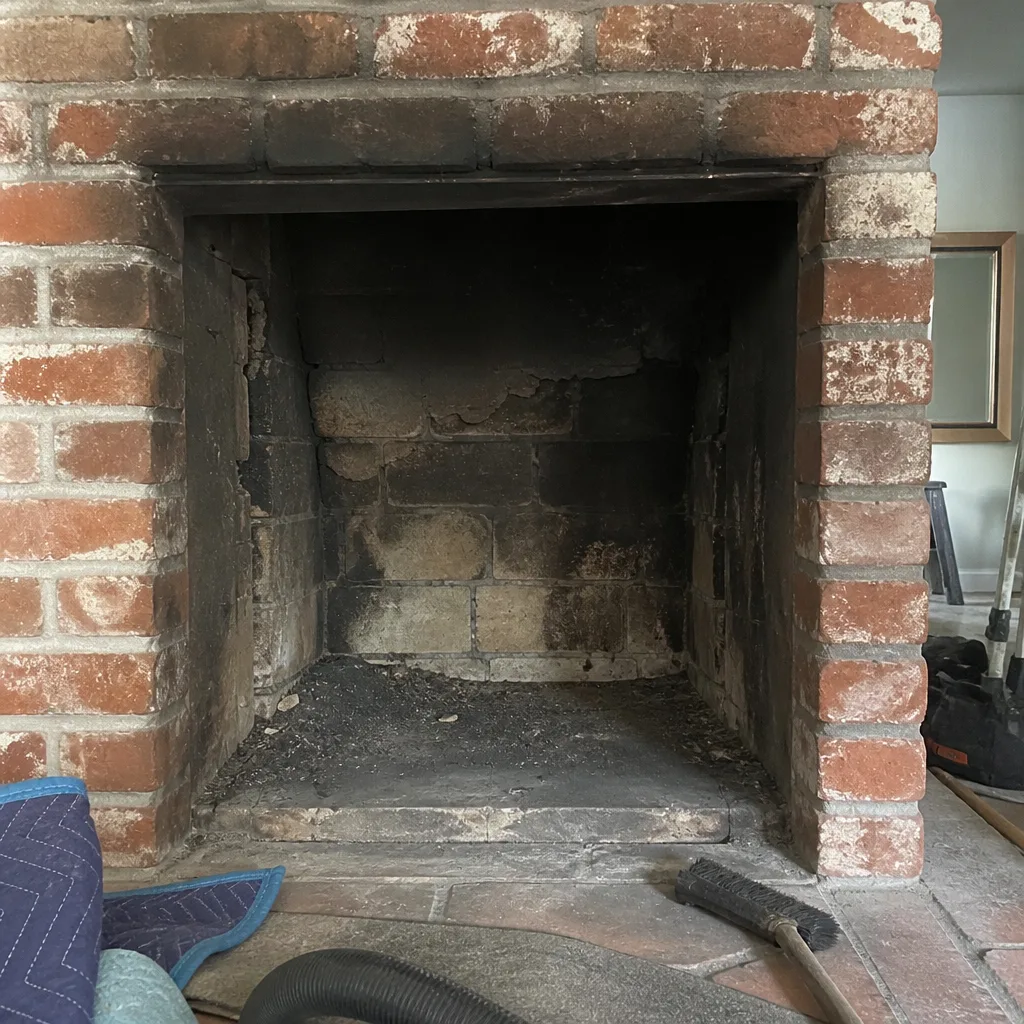 Before
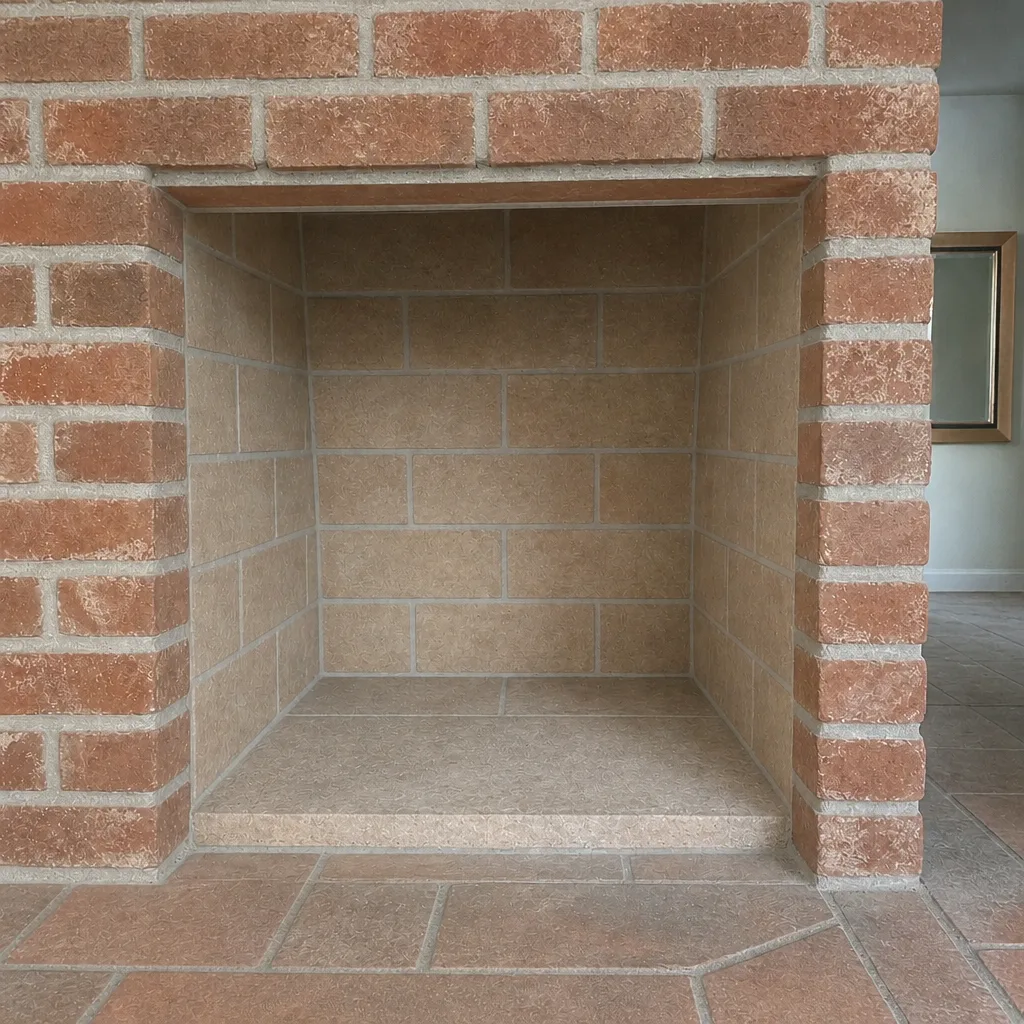 After
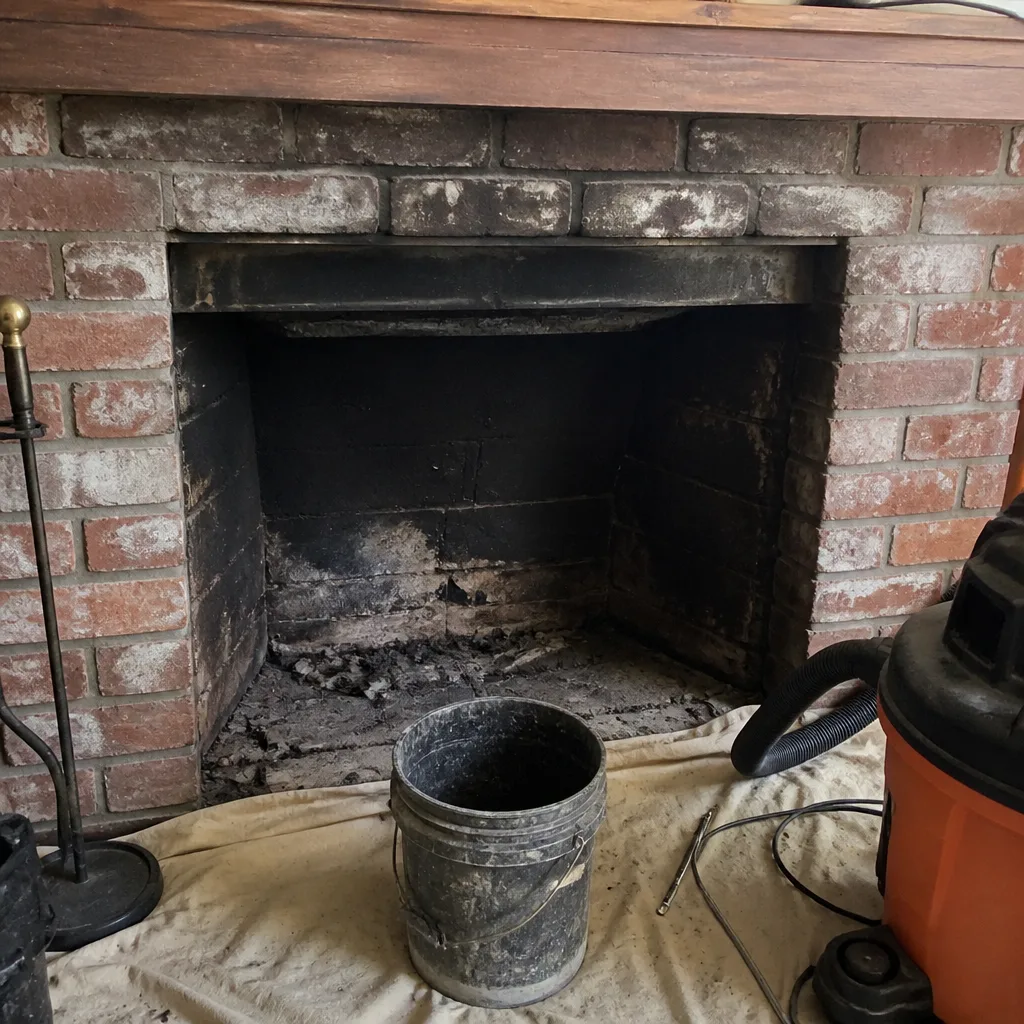 Before
 After
 Before
 After
When to Call a Professional
Call a professional when any of the following is true: you haven’t had a chimney inspection in more than a year; you’re buying or selling a Downtown Anaheim home and the chimney is in scope; you’ve had a chimney fire; the roof or masonry shows signs of movement; a previous owner’s chimney work has no paper trail; or you’ve been told by another contractor that you need a specialist. Chimney Sweep Downtown Anaheim offers free estimates in Downtown Anaheim – call (855) 658-5274. We handle the inspection first and recommend second. Nothing gets quoted without camera evidence you can see, and we’ll tell you plainly when work can safely wait. Call (855) 658-5274. We answer 24/7. Fast dispatch from 7am to 7pm, Sunday through Friday.
Frequently Asked Questions
No. A routine chimney sweep is maintenance and does not require a building permit in Downtown Anaheim or anywhere else in Orange County. Permits come into play when the work involves construction – relining, crown rebuilds, structural repair, or firebox reconstruction. If your sweep turns up a liner problem that needs correction, that correction is where the permit question begins. Call (855) 658-5274 for an exact quote on the inspection that tells you which category you’re in – estimates are free.
Chimney inspection pricing in the Downtown Anaheim area typically runs as a per-job estimate, and the written estimate sets the final price. A Level 1 visual inspection costs less than a Level 2 with a camera scan, and a Level 3 – which involves opening walls or accessing concealed areas – costs more because of the added labor. We recommend booking an inspection before committing to any sweep or repair so the scope is clear. Call (855) 658-5274 for an exact quote – estimates are free.
You need a new liner if the camera scan shows the existing liner is cracked, deteriorated, undersized for the appliance, or was installed incorrectly. You don’t need one if the liner is intact and correctly sized. The way to tell the difference is to look at the evidence yourself – our inspections include a camera scan and photo report so you see exactly what we see. If the liner can be restored rather than replaced, HeatShield restoration may be the better option, and we’ll say so. Call (855) 658-5274 and we’ll walk you through what a scan showed – estimates are free.
Nothing dramatic in most years – then one year the camera finds a cracked crown or a liner that’s started to deteriorate. The risk compounds quietly. Creosote hardens into glaze that’s harder to remove, crown failures allow water into the chase, and small liner defects grow rather than self-correct. None of these are emergencies when caught early; all of them get expensive when caught late. Book the inspection before the heating season rather than after. Call (855) 658-5274 for an exact quote – estimates are free.
Yes. Correcting unpermitted work usually means pulling a permit for the correction and having it inspected – the paper trail from that point forward is what matters for future sales. The starting point is a Level 2 inspection to establish what’s actually installed, followed by the permit application once the scope is known. We can handle the inspection and the correction under one roof, which is how the paperwork stays consistent. Call (855) 658-5274 for an exact quote – estimates are free.
Yes, on poor air quality days. CARB’s curtailment program can restrict or prohibit wood burning across the South Coast Air Basin on designated “No Burn” days. This affects how often the chimney is actually used, not how often it needs inspection – the annual inspection schedule stays the same regardless. If you’re unsure whether your fireplace is compliant with current appliance standards, an inspection will tell you. Call (855) 658-5274 for an exact quote – estimates are free.
The Bottom Line
The regulatory picture for chimney work in Downtown Anaheim is simpler than it looks once you separate maintenance from construction. Sweep and inspection: no permit. Liner, crown, structural repair, firebox: permit and final inspection. NFPA 211 is the standard inspectors measure against, CARB curtailment affects how often you burn but not how often you inspect, and a Level 2 inspection is what drives disclosure and repair expectations before a sale. If there’s unpermitted work on your chimney, the fix starts with a camera scan, not a signature. Our technicians have up to 10 years of experience, and we inspect first and recommend second. Call (855) 658-5274. We answer 24/7. Fast dispatch from 7am to 7pm, Sunday through Friday.
Written by the team at Chimney Sweep Downtown Anaheim.