
Last updated November 24, 2026
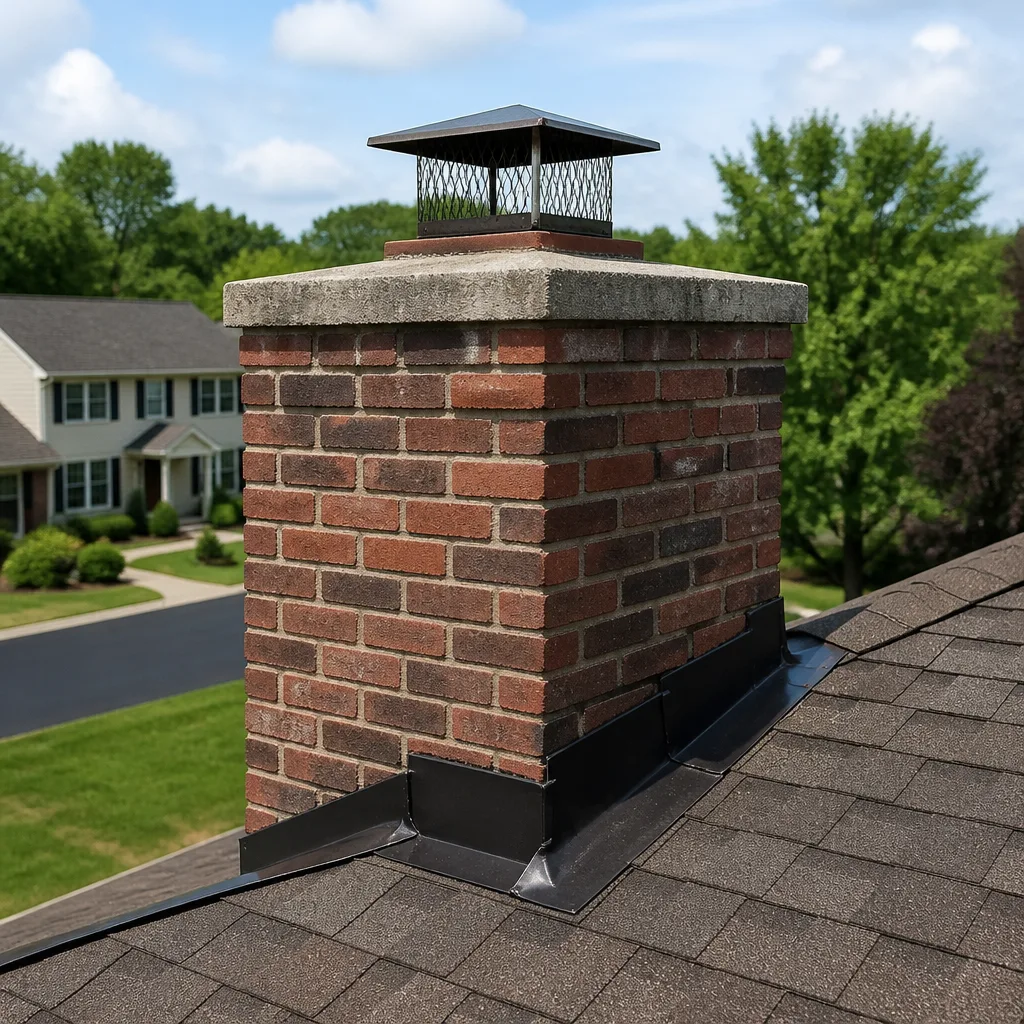 Sweep & inspection
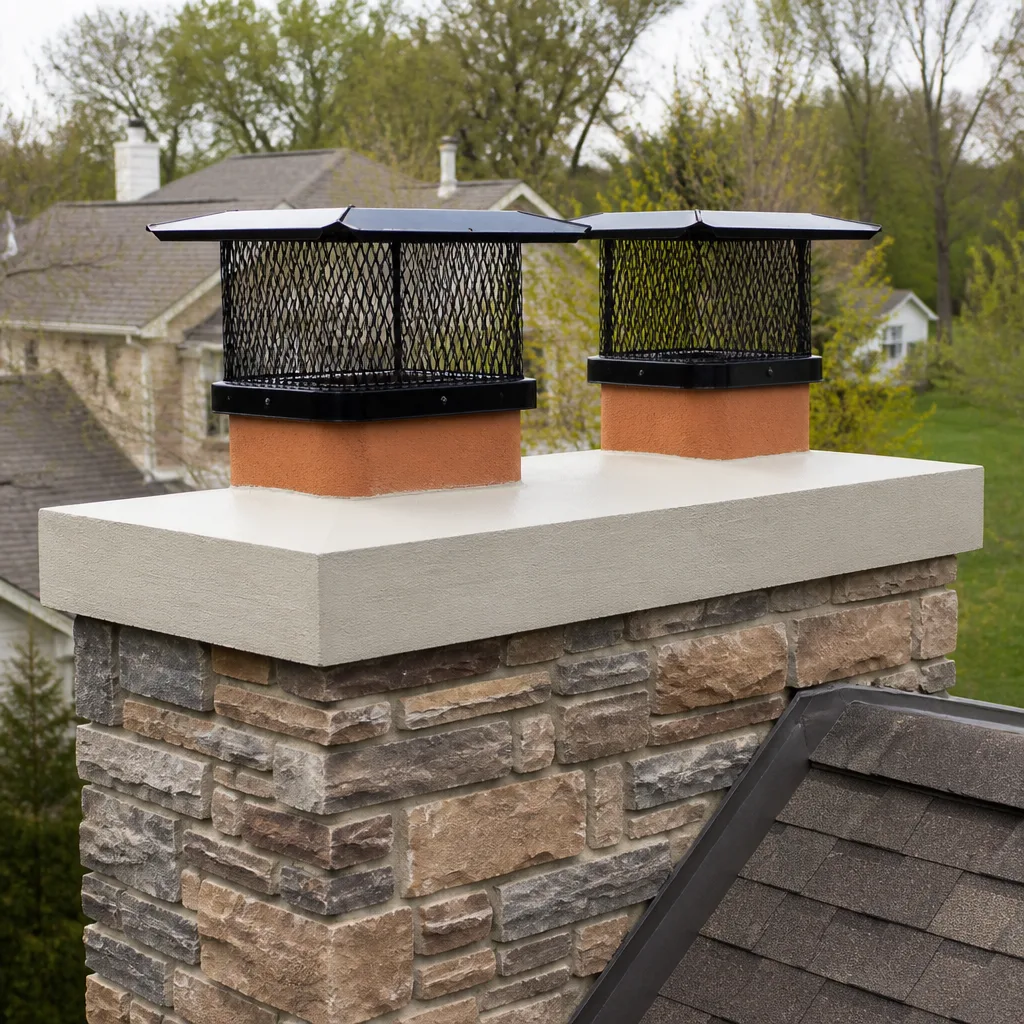 Caps & crowns
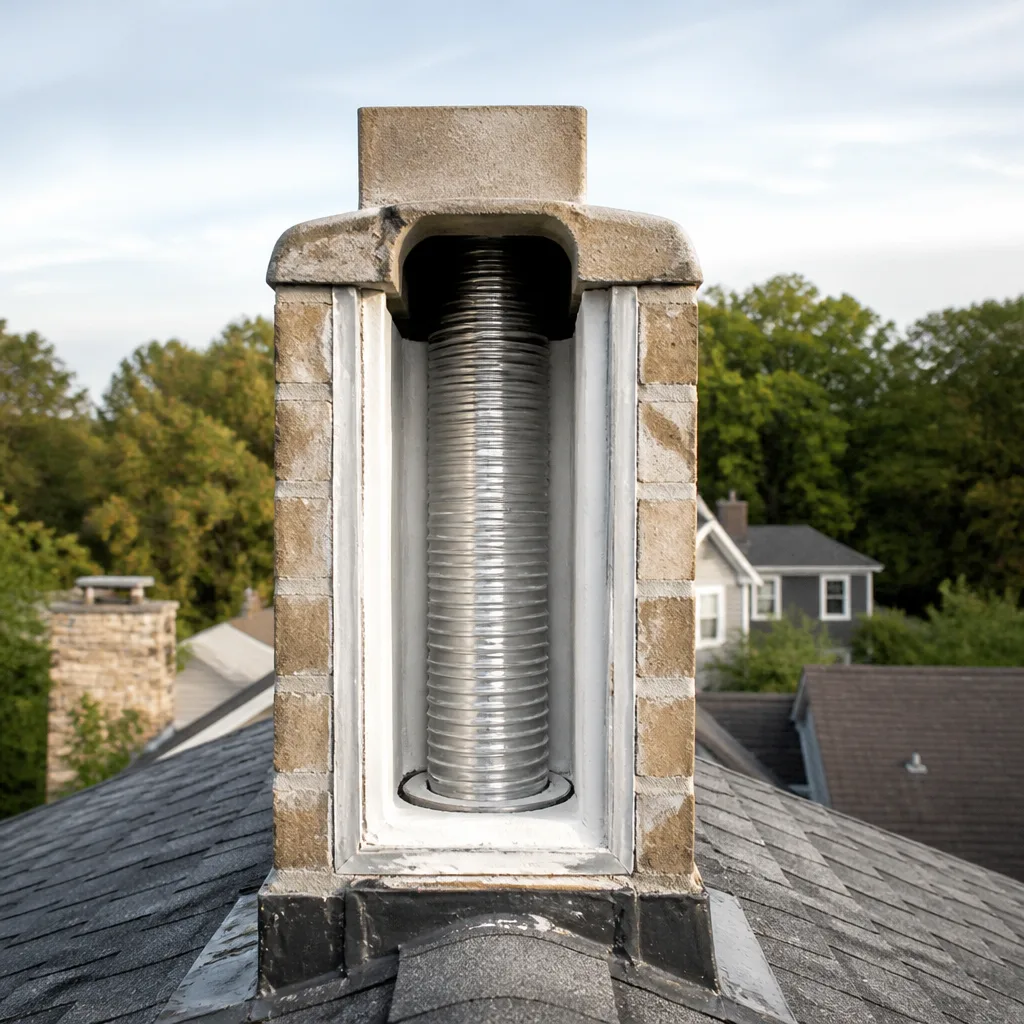 Flue relining
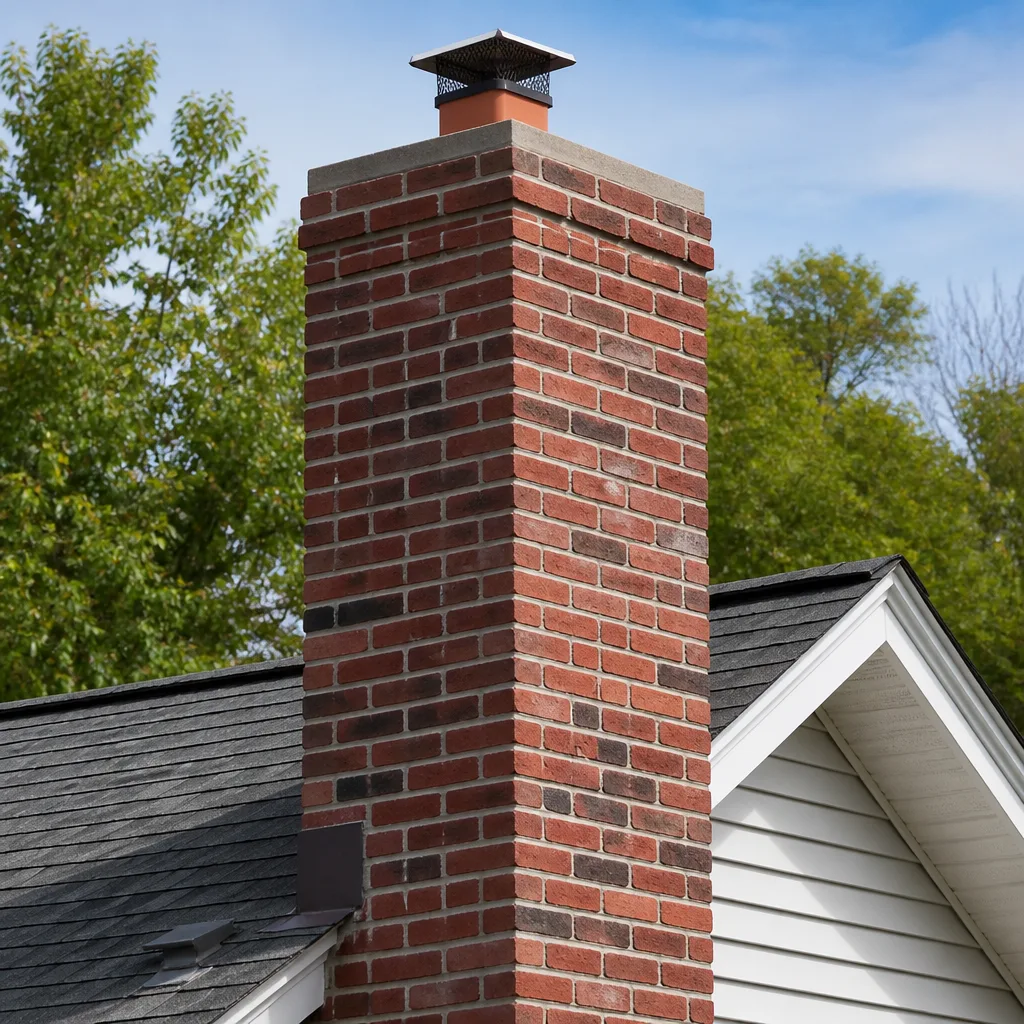 Masonry repair
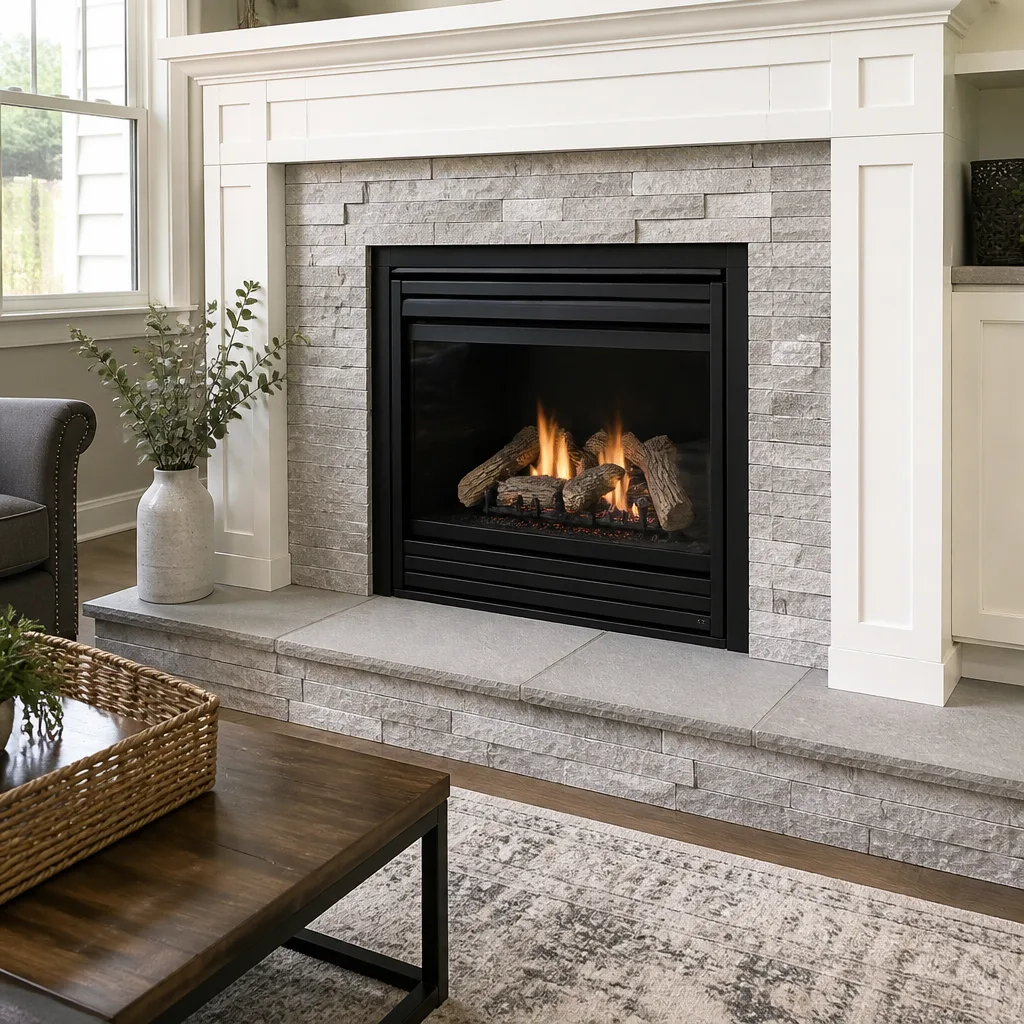 Gas fireplace service
Level 1 sweep and inspection to the NFPA 211 annual standard - flue, crown, cap, and flashing checked and photographed
Chimney sweep logs do not sweep chimneys. They loosen some creosote - which then falls where a brush and vacuum still have to collect it.
The Complete Guide to Chimney Cleaning in Downtown Anaheim
Most Downtown Anaheim homeowners light a fire fewer than twenty times a year. That sounds like the low-risk profile of a chimney that barely gets used. In practice, it’s the pattern that produces the densest, most stubborn creosote of any burn habit we see. A fireplace that sits cold for weeks and then runs a few smoky, low-temperature fires builds up glazed deposits that a brush won’t touch. In this guide, we’ll walk through how chimney cleaning actually works in Downtown Anaheim, what the CSIA inspection levels mean for your home, why clay tile liners in older Anaheim houses crack the way they do, and where a cleaning-only crew stops and a full-service chimney specialist begins.
Quick Answer
Chimney cleaning in Downtown Anaheim is an annual service for most wood-burning fireplaces, and it involves more than running a brush up the flue: a proper sweep removes soot and creosote, checks the firebox, damper, cap, and crown, and confirms the liner is intact. For a Downtown Anaheim home that burns occasionally, the sweep usually needs to be paired with a Level 1 or Level 2 inspection because infrequent burning builds glazed creosote a brush can’t remove. The written estimate from a chimney specialist sets the final price, and the estimate itself should be free.
Styles & brands we work with
- Sweep & inspection
- Caps & crowns
- Flue relining
- Masonry repair
- Gas fireplace service
Table of Contents
- Why Downtown Anaheim Chimneys Age Differently
- The CSIA Inspection Levels: What 1, 2, and 3 Actually Trigger
- Creosote Stages and What Removes Each One
- Clay Tile vs. Stainless Flex Liners in Older Anaheim Homes
- What a Full-Service Sweep Includes vs. Cleaning Only
- Cap and Crown: The Structural Layer Above the Flue
- Seasonal Checks for a Mild-Climate Chimney
- How a Sweep Actually Goes, Step by Step
Why Downtown Anaheim Chimneys Age Differently
Downtown Anaheim’s fireplace season runs short and mild. That sounds like a small annual wear cycle, but the smaller the fire activity, the more concentrated the deposits per cord of wood burned. A cold-climate chimney with daily winter fires gets regularly hot, and repeated hot burns tend to dry out and flake away a portion of what builds up on the flue walls. A Downtown Anaheim chimney that sits idle for eight or nine months and then runs a handful of smoky November and December fires does the opposite: it deposits creosote without ever reaching the flue temperature that would burn off some of the residue.
That cycle produces glazed, tar-like creosote that bonds to the flue wall at a molecular level. It’s the residue that ignites at extremely high temperatures, and it’s the residue a wire brush bounces off. When our technicians sweep a Downtown Anaheim chimney that has burned lightly for years, the soot layer usually comes off cleanly, but the hardened glaze near the smoke chamber often needs a chemical treatment or liner restoration before the flue is truly serviceable.
Routine chimney sweep work in Downtown Anaheim therefore leans heavily on inspection. The cleaning is the easy part. Understanding what the light-burning pattern has built up inside the flue is where the real value sits.
The CSIA Inspection Levels: What 1, 2, and 3 Actually Trigger
The Chimney Safety Institute of America (CSIA) defines three inspection levels, and each one unlocks a different scope of work. Most Downtown Anaheim homeowners hear the words “Level 1” or “Level 2” from a technician without anyone explaining what each level actually looks at.
CSIA Level 1 Inspection
A Level 1 inspection covers the readily accessible portions of the chimney: the firebox, damper, smoke chamber, visible flue, and exterior at ground level. It’s the annual safety check. It’s also the appropriate baseline for a home with no known history of chimney problems, no changes to the appliance or fuel type, and no signs of water infiltration. A Level 1 can be done alongside a routine sweep.
CSIA Level 2 Inspection
A Level 2 inspection adds a video camera scan of the entire flue interior, access to attic and crawlspace (where accessible), and coverage of any concealed components. It’s the level triggered by a home sale, a change in fuel type, a change in appliance, an earthquake or other event that may have damaged the flue, or a prior chimney fire. It’s also the level we recommend for most first-time cleanings on a Downtown Anaheim property where the service history isn’t known.
CSIA Level 3 Inspection
A Level 3 inspection is the rare, invasive level. It’s triggered when a Level 1 or Level 2 finds a hidden hazard that can only be evaluated by removing part of the chimney structure (a section of wall, a masonry panel, or crown material). It’s not a routine service. It’s a targeted diagnostic step when a serious defect is suspected but not yet confirmed.
We offer chimney inspection in Downtown Anaheim as a standalone service, not as an add-on thrown into a cleaning ticket. A pre-purchase evaluation on an older Anaheim bungalow or a routine annual safety check both deserve the same inspection-first approach. Inspect first, recommend second. That order earns trust in a market where homeowners have every right to be skeptical of someone who shows up with a brush and leaves with a repair contract.
Creosote Stages and What Removes Each One
Creosote doesn’t come in one form. It arrives in three distinct stages, and the removal method changes at each stage:
- Stage 1: Sooty, flaky residue. A light, ash-like dust that adheres loosely to the flue wall. A standard poly brush and vacuum removes it. This is the residue most Downtown Anaheim homeowners expect to see when they think about a chimney sweep.
- Stage 2: Hard, crusted layer. A denser, black, brittle layer bonded to the flue wall. A brush breaks part of it off, but the crust that remains needs a rotary cleaning head or a chemical creosote remover applied over multiple sweeps to loosen fully.
- Stage 3: Glazed, tar-like creosote. A shiny, hardened shell that bonds chemically to the flue. It will not respond to a brush at all. In most cases, Stage 3 creosote has reached the point where the liner itself needs restoration or replacement, because fully removing the glaze would damage the flue wall underneath it.
What we see in Downtown Anaheim is that a homeowner who burns less than twenty fires per season with unseasoned wood is more likely to end up at Stage 3 than someone burning daily with dry, well-seasoned hardwood. Every fire in a cold, low-draft flue deposits creosote that has nowhere to go. Repeatedly cooling that flue between fires hardens the deposits rather than loosening them.
No cleaning method works around Stage 3 without facing the liner question. When the glaze has bonded to a grade of severity the sweep can’t remove, the conversation shifts to liner restoration. We work with HeatShield liner restoration for flues that can be salvaged without a full replacement, and we install DuraFlex and Olympia Chimney liner systems where replacement is the honest answer.
Clay Tile vs. Stainless Flex Liners in Older Anaheim Homes
The liner material in a Downtown Anaheim home tells you a great deal about how it will fail. Most Anaheim houses built before the mid-1980s have clay tile flues. The tiles are stacked with mortar joints between them, and the flue wall is a straight vertical run from the firebox to the chimney top. That straight stack is sturdy and inexpensive to build, and its failure mode is predictable.
Clay tile cracks under thermal cycling in two ways that matter:
- Spalled faces: The interior face of a tile flakes off when the flue wall is repeatedly heated and cooled at different rates. A light-use Anaheim flue heats fast on a single fire and then cools over the following days. That contrast is exactly the thermal cycling that spalls clay tile faces.
- Cracked mortar joints: The joint between two tiles is the weak point in the stack. Mortar holds up well under steady heat, but it’s brittle under repeated expansion and contraction. Once a joint cracks, gases and moisture migrate into the surrounding masonry.
Stainless steel flex liners behave differently. They’re continuous, they flex with thermal cycling instead of cracking, and the crimped or welded seam holds up better to the same heat rhythm. Stainless also resists the acidic condensate that forms on the liner surface after a fire has cooled. That condensate is a real problem in clay tile because the mortar absorbs it, and the moisture then works its way into the surrounding brickwork over the off-season.
When a clay tile flue is too far gone to reline safely in place, we install a stainless flex system. DuraFlex, Olympia Chimney, and Copperfield are the liners we work with most often. The choice between them depends on the flue dimensions, the appliance being vented, and the condition of the existing stack, not on a default preference.
What a Full-Service Sweep Includes vs. Cleaning Only
A cleaning-only crew sweeps the flue, vacuums the firebox, and leaves. A full-service sweep inspects the whole system, cleans what the inspection found, and repairs or restores any component that the inspection flagged. That difference is invisible until the sweep finds something wrong. That’s when a cleaning-only crew stops and hands you off to a second contractor who has to start over from scratch.
What a cleaning-only sweep typically covers
- Flue brush and vacuum
- Firebox soot removal
- Basic visual check through the firebox opening
What a full-service sweep covers
- Level 1 or Level 2 inspection, depending on history
- Video scan of the flue interior where the level calls for it
- Flue brush and industrial vacuum, including the smoke chamber and smoke shelf
- Firebox, damper, and fireback check
- Crown condition and cap integrity check from the roof
- Liner condition report with photographic documentation
- Same-day repair or restoration if the inspection found a fixable defect
The cap and crown are the two components that a cleaning-only crew is least likely to assess and most likely to find failing. A cracked crown lets water into the masonry. A missing or damaged cap lets rain, birds, and debris into the flue. Neither shows up in a sweep that only reaches the firebox. We handle chimney cap & crown work as a standalone repair service because those two components protect the whole chimney from the top down.
Fireplace repair is often the next step once a full-service sweep turns up a firebox issue, a failed damper, or cracked masonry in the surround. When it does, we handle the fireplace repair under the same roof as the sweep, so the homeowner doesn’t lose weeks waiting on a second contractor to schedule a return visit.
Cap and Crown: The Structural Layer Above the Flue
The cap and crown sit above the flue opening and are the chimney’s first line of defense against water, animals, and debris. The crown is the concrete or mortar slab at the very top of the chimney that slopes away from the flue opening. The cap is the metal or masonry hood that covers the flue itself. Both take a beating in Downtown Anaheim’s dry, warm climate, and both fail in ways a cleaning-only sweep won’t catch.
Crown failure in Anaheim usually starts small. A hairline crack opens along the top of the crown where the flue tile meets the concrete. Repeated heating and cooling widens the crack. Once the crack reaches the masonry below, rainwater gets into the brickwork during the rainy season and the mortar starts to soften. By the time the crown is visibly crumbling, the damage has usually spread into the top course of brick and, in older homes, into the flue tile itself.
Cap failure is simpler. A missing or damaged cap lets birds nest in the flue, lets rainwater pour straight down the liner, and lets sparks land on the roof during a fire. A proper cap is a straightforward repair, and we treat it as a structural protection layer rather than a cosmetic add-on.
The brands we work with in this department matter because the components have to hold up to the Anaheim sun and the seasonal rain without warping or cracking. Gelco caps and Famco components are the ones we trust most for this climate. Those aren’t the only caps we work with, but they’re the two we return to most often when the customer wants the repair to last through multiple seasons. We also evaluate crown material carefully: poured concrete with a proper slope drains better than a mortar skim coat, and on a Downtown Anaheim home with a low chimney chase, that difference shows up in the first few winters.
Seasonal Checks for a Mild-Climate Chimney
Downtown Anaheim doesn’t have a deep winter. What it has is a rainy season followed by a long, dry, warm stretch. That rhythm shapes the inspection calendar more than a cold-climate one does, and it shifts the priority list from snow load and freeze damage to moisture and structural wear.
A reasonable seasonal check cadence for a downtown Anaheim home:
- Before the burning season. Get the sweep and inspection done in the weeks before the fireplaces start running again. This is the important one, because it catches a problem while there’s still time to fix it before the first fire.
- After the rainy season. Do a visual walk-around of the exterior chimney, crown, and cap. Look for missing masonry, cracked crown material, or stains inside the firebox that suggest water is getting in somewhere above the damper.
- Mid-season if the fire is smoking. A fire that suddenly smokes when it didn’t before usually means something changed in the flue: a partial blockage, a cap that shifted, or a draft problem at the smoke shelf.
- Before listing a home for sale. A pre-purchase chimney inspection is the right call for a seller or buyer of an older Anaheim property. It gives both sides a documented baseline of the chimney’s condition.
Mortar joints and the crown take the most abuse between seasons. In Anaheim’s cycle of rain followed by months of dry heat, masonry expands and contracts gently but steadily. A joint that looks fine in October may be showing hairline cracking by March. The annual sweep is the right time to catch it, because that’s when we’re already on the roof evaluating the crown and cap for the sweep report.
If you’re on the fence about whether to book a full sweep this year, we offer inspection as a standalone service. Inspect first, and recommend only what the inspection actually supports. That’s the standard we hold to on every Downtown Anaheim chimney.
How a Sweep Actually Goes, Step by Step
Understanding what a sweep involves helps a homeowner know what to expect and what questions to ask. The sequence below is the one we follow on a Downtown Anaheim chimney:
- Pre-sweep setup. Drop cloths go down around the hearth, the firebox gets sealed off with a vacuum shroud, and we confirm the flue access point before opening anything up.
- Level 1 inspection. The firebox, damper, smoke chamber, visible flue, and roof-level components are checked before the sweep starts, so we know what we’re working around.
- Flue brush and vacuum. A poly brush (or a rotary head for heavier Stage 2 creosote) runs the flue from the top down over an industrial vacuum. Soot and residue are captured at the firebox opening, not released into the room.
- Smoke chamber and smoke shelf. The area behind and above the damper is where creosote and soot accumulate most heavily and where the brush is least able to reach. This is the section that separates a thorough sweep from a quick one.
- Liner and crown check. If the inspection level called for a video scan, we review the footage with you. If we’re already on the roof for the flue brush, we check the crown and cap condition and note any cracking.
- Written report and estimate. Anything the sweep found gets documented with photos. The written estimate for any required repair sets the final price for that work, and nothing gets recommended that the photographic evidence doesn’t support.
We answer 24/7 if you have a question before the visit. Fast dispatch, 7am-7pm, Sunday through Friday; we’re closed Saturday.
Common Mistakes to Avoid
- Treating a light-burn fireplace as a low-risk one. A Downtown Anaheim home that burns fewer than twenty fires a year is more likely to build Stage 2 or Stage 3 creosote, not less. The deposits have nowhere to go between fires, so they harden in place.
- Burning unseasoned wood to save time. Wet wood produces more creosote per fire than dry wood, and the extra smoke has nowhere to vent in a cool flue. The moisture content of the wood matters more than the species.
- Brushing off a cracked clay tile liner as cosmetic. A hairline crack in a clay tile flue is the entry point for moisture into the masonry behind it. Once the surrounding brick is saturated, the repair scope grows from relining to rebuilding.
- Assuming a cleaning-only sweep will find what a full-service one finds. A cleaning crew checks the flue. A full-service sweep checks the flue, firebox, crown, cap, and liner. Cap and crown failures are the ones that show up weeks later as a water stain on the ceiling below the chimney.
- Missing the pre-purchase inspection on an older Anaheim home. A Level 2 inspection before closing gives the buyer a documented condition report and gives the seller a defensible baseline. Skipping it turns an unknown chimney into a surprise.
- Skipping the annual sweep because nothing feels wrong. A chimney doesn’t announce a problem. Glazed creosote and a hairline crown crack are silent until the fire has already found them.
- Hiring a crew that refers out at the first problem. The moment a sweep-only operator finds a liner issue, the homeowner is back to square one. A full-service specialist handles the sweep and whatever it finds.
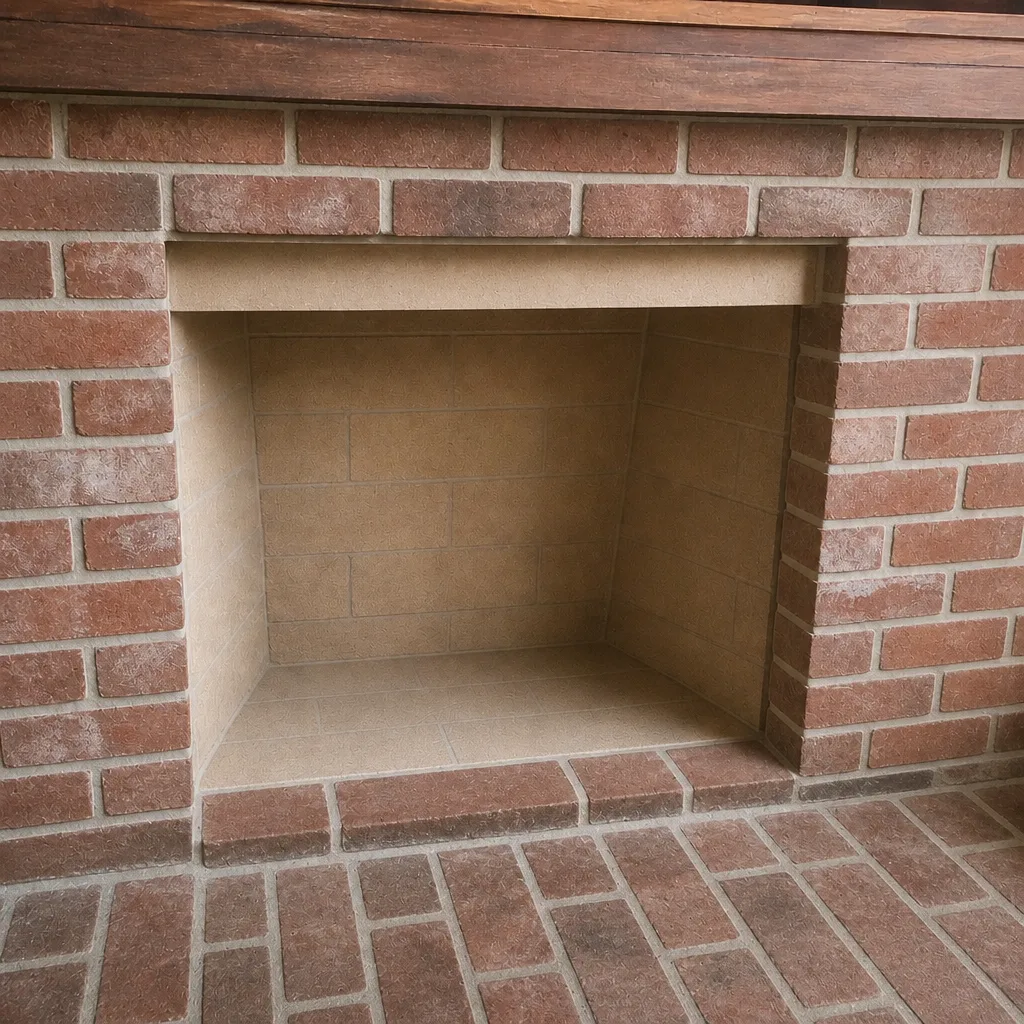
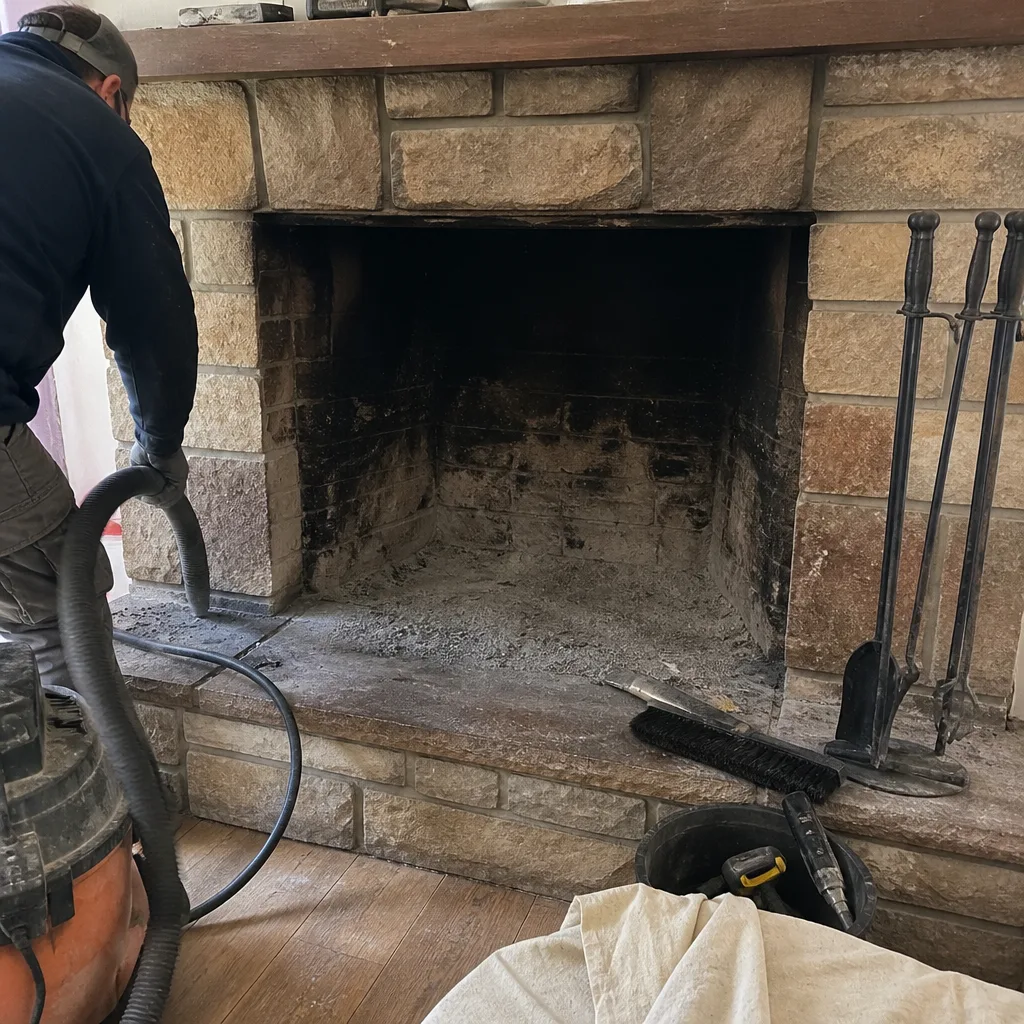
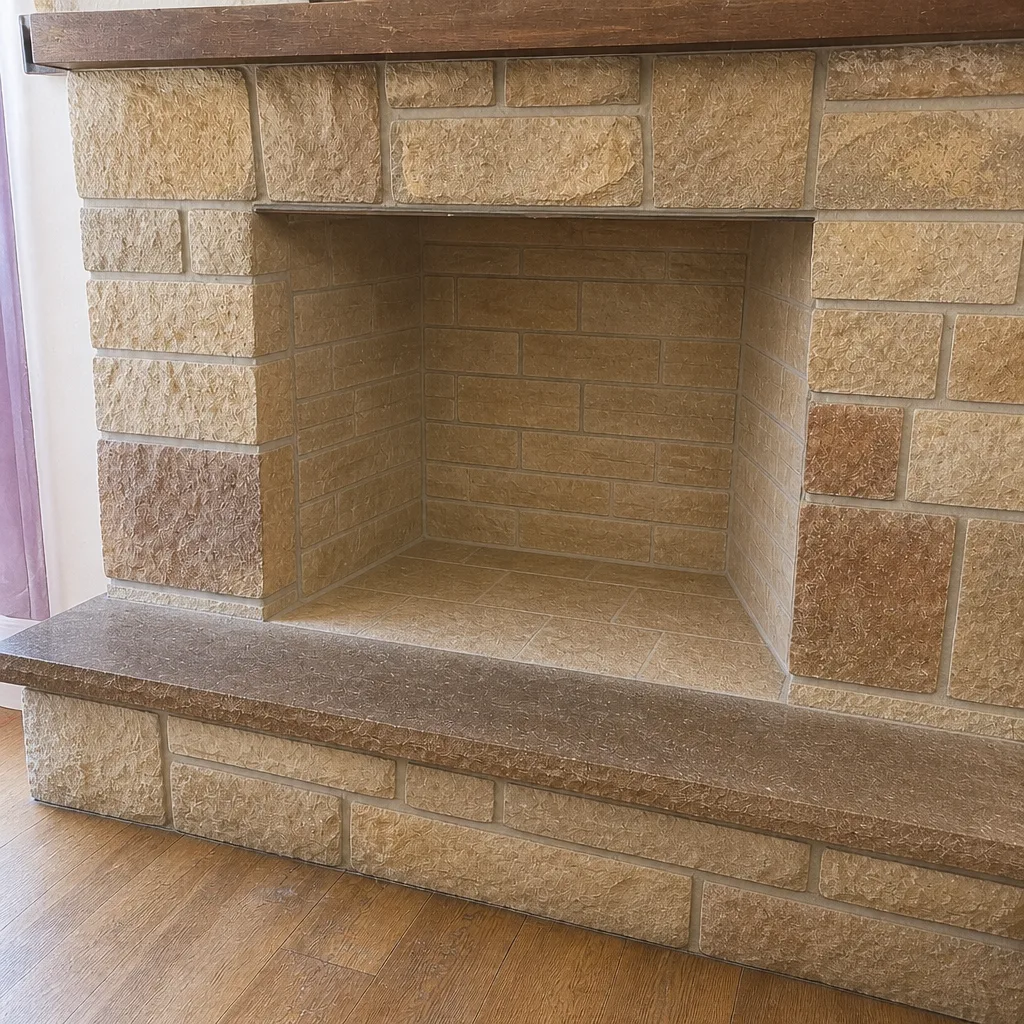
See the difference
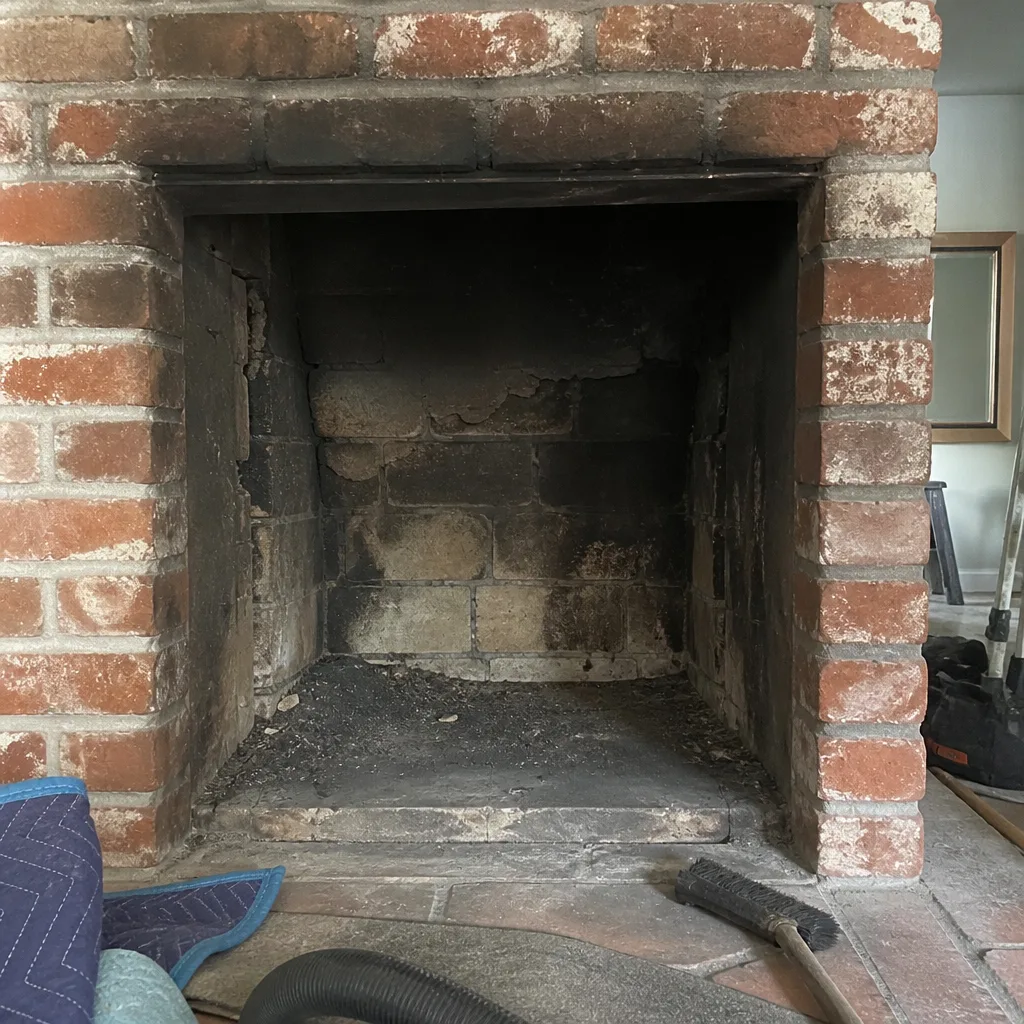 Before
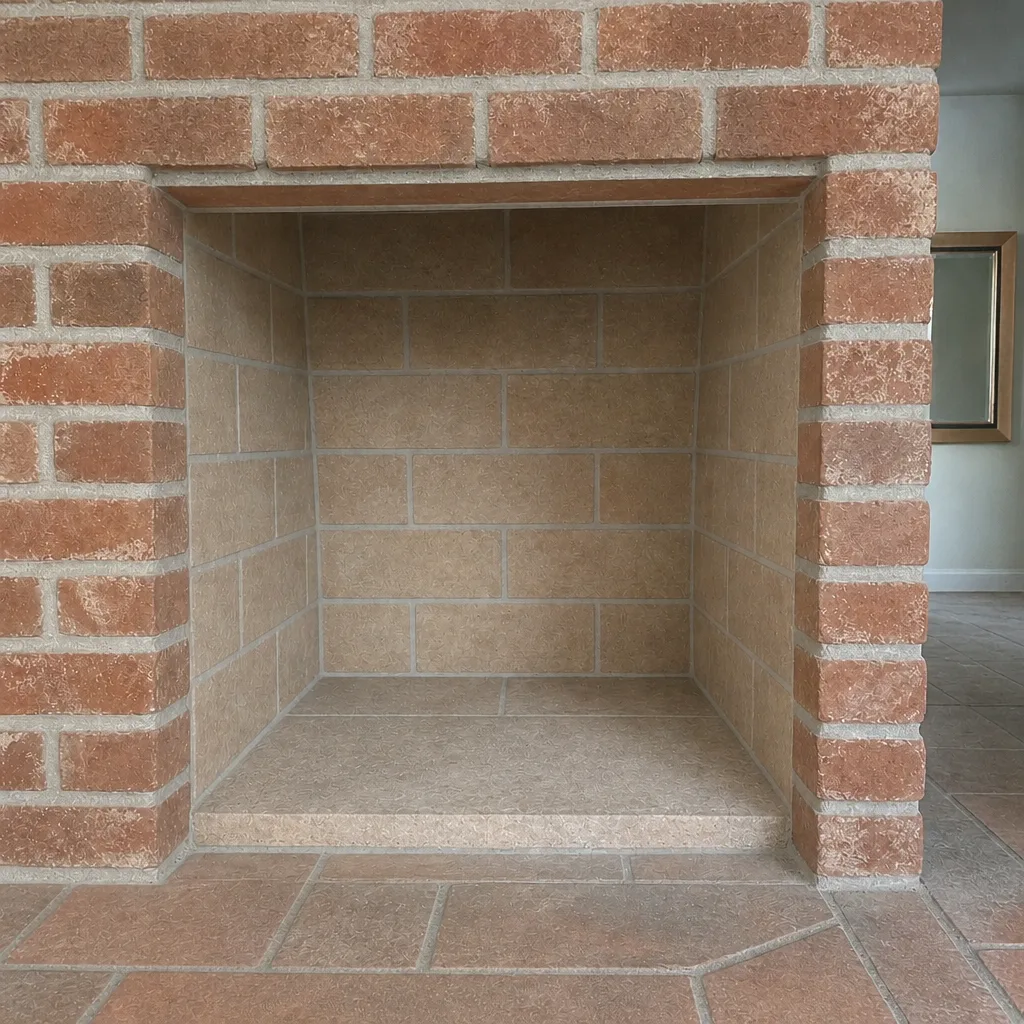 After
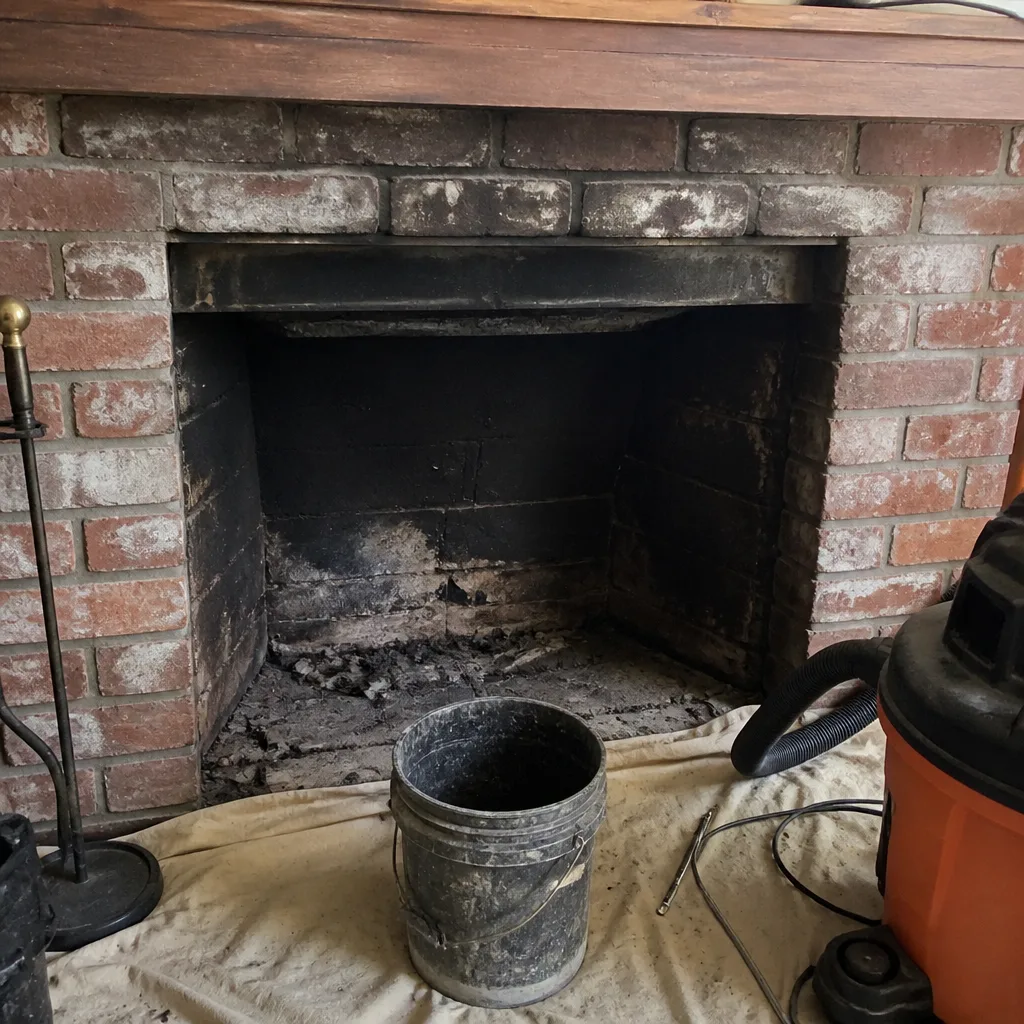 Before
 After
 Before
 After
When to Call a Professional
Call a chimney professional if it’s been more than a year since the last sweep, if you’ve moved into a Downtown Anaheim home and don’t know the chimney’s service history, if you switched from wood to gas (or back), or if the flue has started smoking in a way it didn’t before. Call immediately if you’ve had a chimney fire, even one that was put out quickly, since the flue wall can be damaged without any visible exterior sign. Call before listing or buying a home with a wood-burning fireplace; a Level 2 inspection is the honest starting point, not a sweep-alone. And call if you see crumbling mortar at the crown, a missing cap, or water stains on the firebox interior after a rain.
Chimney Sweep Downtown Anaheim offers free estimates in Downtown Anaheim – call (855) 658-5274. We answer 24/7. Fast dispatch from 7am to 7pm, Sunday through Friday. We’re closed Saturday.
Frequently Asked Questions
Once a year for most wood-burning fireplaces, even if the fireplace only sees a dozen fires a season. The CSIA recommends an annual inspection and sweep based on use, and the mild winter pattern in Downtown Anaheim means “low use” often still produces creosote that warrants annual attention. Call (855) 658-5274 for an exact quote on your sweep – estimates are free.
Only if the inspection evidence shows the existing liner has failed or is beyond restoration. A hairline crack in a clay tile flue can sometimes be restored with a HeatShield liner restoration rather than replaced. A flue with spalled tile faces, displaced tiles, or a Level 3 creosote glaze usually needs replacement. Nothing gets recommended without photographic documentation you can review before the work is booked. Call (855) 658-5274 to schedule an inspection – estimates are free.
Creosote builds up, and at high enough concentrations it ignites during a fire. In the mild Anaheim burn pattern, that buildup comes from glazed creosote that a brush can’t remove, so the flue quietly loses safety margin while looking and smelling like a normal fireplace. Crown and cap failures also go unnoticed, letting water into the masonry above the firebox. Call (855) 658-5274 to book a sweep and inspection – estimates are free.
A Level 1 covers the readily accessible parts of the chimney during a routine annual check. A Level 2 adds a video scan of the entire flue and access to concealed spaces, triggered by a home sale, an appliance change, or a prior chimney fire. A Level 3 is invasive and only triggered when a Level 1 or 2 finds a hidden hazard that requires removing part of the structure. Call (855) 658-5274 to schedule the appropriate level for your home – estimates are free.
Smoking is a draft problem, not a neighborhood issue. Common causes are a partially blocked flue, a damaged or missing cap, a shifted damper, or a chimney height that doesn’t clear the roofline properly. The inspection identifies which one is happening before any repair is recommended. Call (855) 658-5274 to schedule an inspection – estimates are free.
No. Cleaning removes soot and creosote from the flue. Inspection evaluates the entire system, including the firebox, damper, smoke chamber, cap, crown, and liner, and determines what maintenance or repair is needed. We offer inspection as its own service at Chimney Sweep Downtown Anaheim, and we treat it as the honest starting point of every job. Call (855) 658-5274 to book – estimates are free.
The Bottom Line
Downtown Anaheim’s mild winters are the reason chimney cleaning here isn’t just a soot-removal task. The infrequent, low-temperature burn pattern builds glazed creosote faster per cord burned than a cold-climate chimney with daily fires, and it does so in a flue that’s colder and less self-cleaning between burns. A proper sweep in Downtown Anaheim pairs the brush with a Level 1 or Level 2 inspection, checks the crown and cap from the roof, and treats the liner as the structural component it is. A full-service specialist handles the sweep and whatever it finds, from a HeatShield liner restoration to a Gelco cap replacement, without handing the homeowner off to a second contractor. That’s the standard we build every Downtown Anaheim job to, and it’s the standard worth asking for when you compare chimney services.
Ready to get your chimney scheduled? Call (855) 658-5274 for a free estimate. We answer 24/7. Fast dispatch from 7am to 7pm, Sunday through Friday. We’re closed Saturday. Visit Chimney Sweep Downtown Anaheim for the full service list, or book a sweep and inspection and let the report drive the recommendation. Inspect first, recommend second – every time.
Written by the team at Chimney Sweep Downtown Anaheim.